‘Like a dream’: Concordia University students launch rocket from northern Quebec
Posted August 15, 2025 11:19 am.
Last Updated August 18, 2025 4:30 pm.
A group of students at Concordia University in Montreal has managed to launch a rocket from a remote site in northern Quebec.
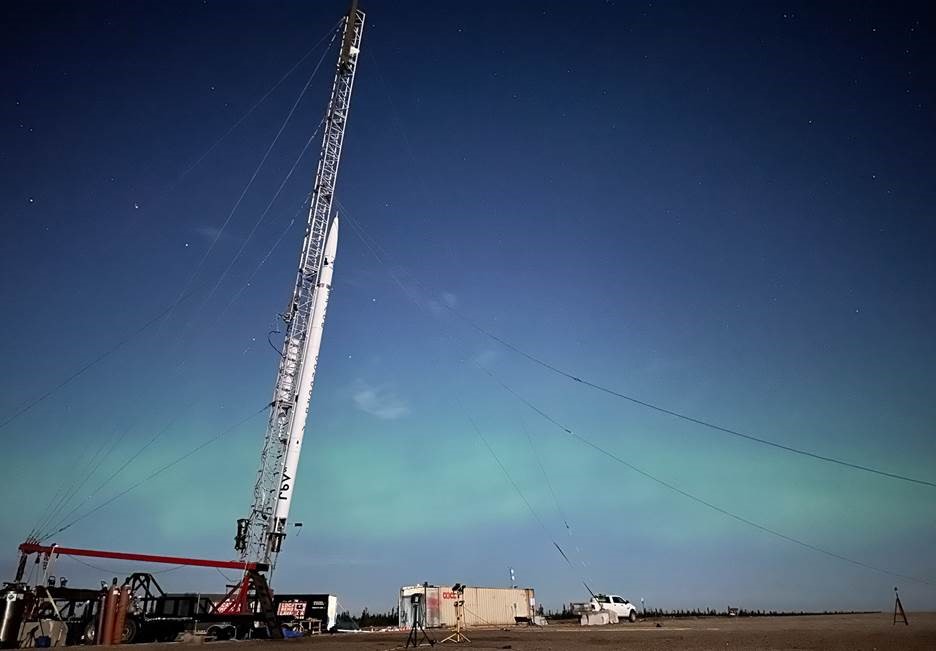
Gina Cody School’s Space Concordia successfully launched Starsailor, a 13-metre liquid-fuel rocket. It took off just after 5:30 a.m. this morning.
“We did probably one of the coolest things ever,” said Oleg Khalimonov, the program lead in the Rocketry Division of Space Concordia. “None of us could believe it even happened. It was definitely kind of like a dream.”
The rocket was fueled with kerosene, liquid oxygen, and helium — it was ready to go.
“We hit fire and then the engine lit and it worked. It flew right off the rail, it started soaring in the skies, it got faster and faster,” said Khalimonov.
“Half of us had the goal of success of it not exploding instantaneously on the pad,” he admitted.
Henri Massicotte was the team captain for the Starsailor program.
“When the rocket lit, we were both in the bunker where we kind of controlled the command centre for the rockets as we launched,” he said. “And we just walked out to see the launch and see it go up. It was a surreal moment.”
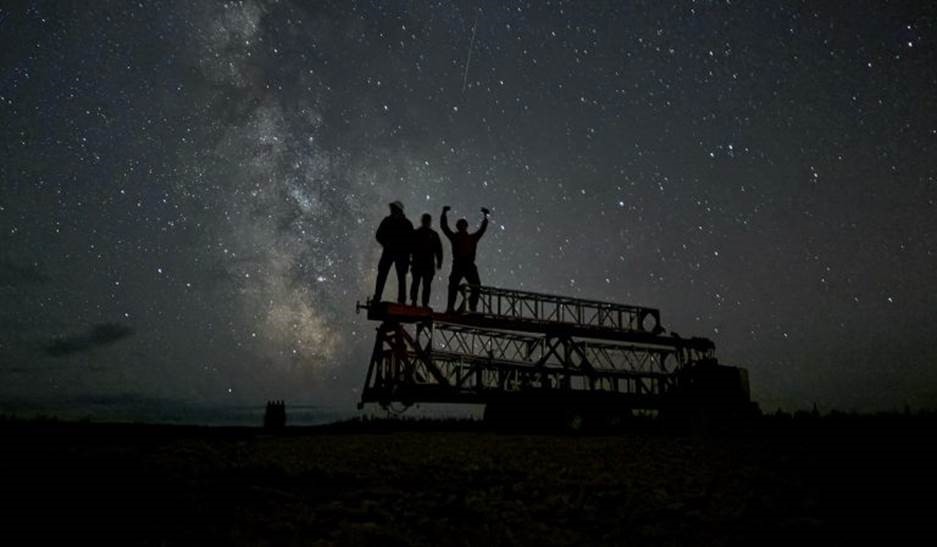
More than 700 Concordia students have contributed to the Starsailor program since it began in 2018. The project is led by the Rocketry Division of Space Concordia and has grown into one of the most advanced student rocketry initiatives in the world.
“Never before has Transport Canada approved a launch like this in Canada, never before have students actually built a a complex rocket so complex, never before have like some groups of students conducted an operation of this scale so remotely and like gone through all the paces,” said Khalimonov.
The launch took place about 250 kilometres north of the Cree community of Mistissini, in Quebec, and the students worked closely with Cree leaders.
Conducted during Transport Canada–approved launch windows, the mission temporarily established daily no-fly zones within a roughly 300-kilometre radius of the site, ensuring the required clear airspace for safe rocket operations. The launch window ran from Aug. 8 to 18.
Khalimonov says it’s been a whole adventure of getting the rocket ready for flight, solving issues and making sure things were working perfectly.
“This whole time we’ve been working on setting up the launch tower, producing documents for Transport Canada, getting their approvals, working with the local Cree community, building the rocket, going through pre-flight checklists, analyzing the weather, waiting for the best wind conditions.”
“The isolated location was selected for its vast open space and safe distance from populated areas. The team had faced nearly a week of on and off rain, thunderstorms and winds before finally getting a launch window this morning, when the ground temperature hovered just above zero degrees Celsius,” explained the school in a press release.
“Starsailor was powered by a custom-built engine, capable of reaching speeds of more than five times the speed of sound. It carried a payload including an on-board flight computer, cameras and memorabilia.”
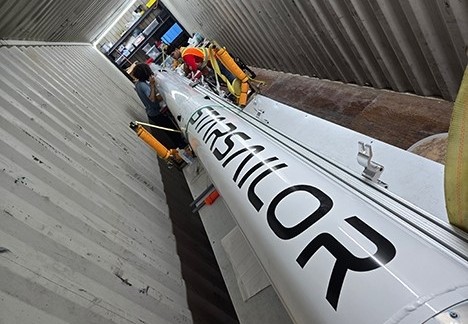
The rocket hit three times the speed of sound and broke apart 23 seconds into its intended 30 second burn. It did not reach space but the team is not yet sure how high it really went.
“We broke apart right as we were hitting the hardest part of the flight,” said Khalimonov. “We’re not entirely sure exactly what altitude — we don’t want to say anything until we’re for sure,” adding that they just recovered their flight computer and still have to review the data.
The team is now flying drones and surveying the land to recover the pieces of the rocket, before coming back home to Montreal.
“After all these years, it would be a shame to not do our best to recover everything,” said Massicotte. “We found one part yesterday when we were hiking and we’ll be here over the next couple of days trying to find the rest of the rocket.”
Khalimonov says the team has been designing a second version of the rocket.
“I think the team is all excited to get back to it and to give this guy another throw,” he said. “That’s just part of the process — things blow up and then you move forward and you learn from it and you make a better one. It’s all part of the journey.”
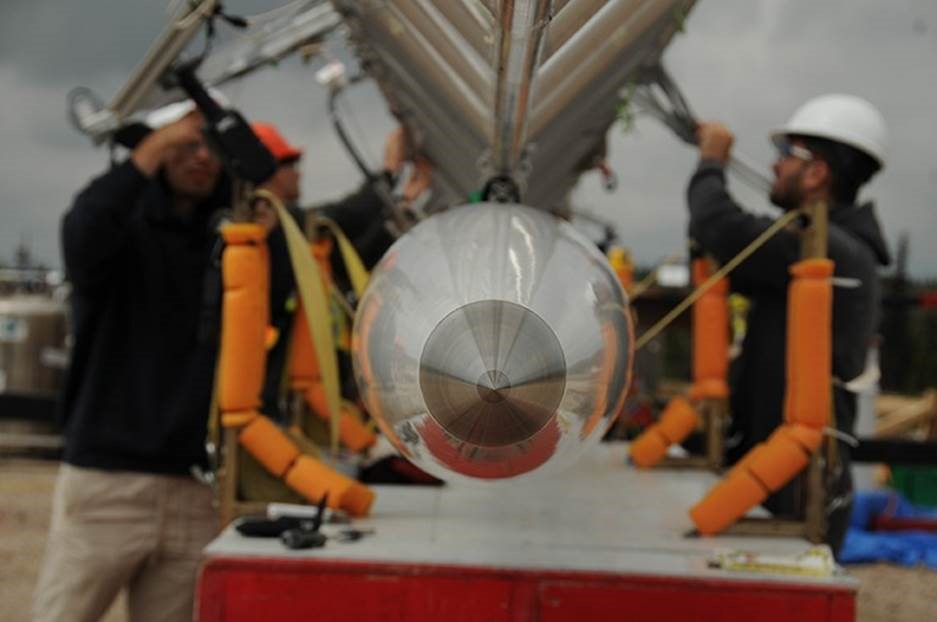
A feature-length documentary about Starsailor is in production. It follows the student team’s journey from design to launch and explores the project’s wider impact in both Montreal and Mistissini.
The Gina Cody School is a primary sponsor of the project. Gina Cody, namesake of the school, contributed $100,000 to help make the launch possible. The program has also received generous long-term support from Lorne Trottier and the Trottier Family Foundation, along with contributions from many other donors and sponsors.