Quebec unveils health prevention strategy aiming to reduce deaths related to inequality by 10%
Posted August 21, 2025 7:42 am.
Last Updated August 21, 2025 5:22 pm.
The Quebec government launched its brand-new national health prevention strategy on Thursday morning, aiming to reduce the burden of healthcare.
The strategy has two main objectives: a 10 per cent reduction in the premature mortality gap related to socioeconomic inequalities and a 10 per cent reduction in the consequences of chronic diseases.
The government is aiming to see results by 2035.
“Prevention is one of the solutions we can use to reduce the pressure on our healthcare system and thus improve access,” the province said.
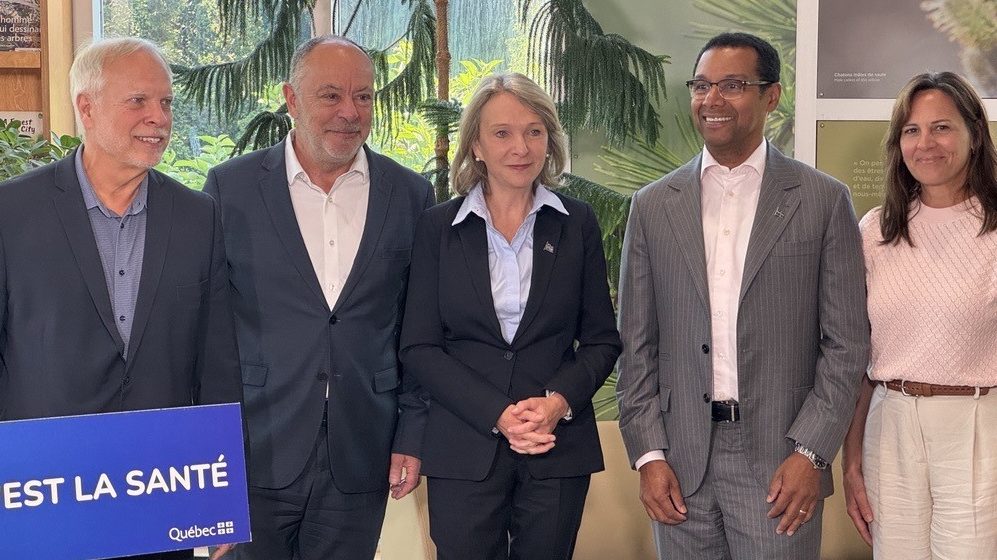
Several ministers gathered for the press conference in Montreal to explain how their departments will contribute to the national prevention strategy.
Health Minister Christian Dubé was joined by Minister responsible for Social Services Lionel Carmant, and the Minister responsible for seniors, Sonia Bélanger. The minister responsible for sports, recreation, and outdoor activities, Isabelle Charest, and the national director of Public Health, Dr. Luc Boileau, were also present.
“We must act at the source; the sustainability of our healthcare system depends on it,” said Dubé. He spoke of a “Ministry 2.0,” emphasizing that it represents “a real shift” for the Ministry to move from curative care to this emphasis on preventive care.
“You can care for people that have a disease now, but are we able to prevent them (from having) those diseases?”
The ministry is also framing the move as a cost cutting one, estimating that every $1 invested in prevention would save the healthcare system around $14. With healthcare already taking up more than 40 per cent of the province’s budget, Dubé says the current path for the healthcare system is unsustainable. He argues that prevention will save money in the long run.
“Something like 15, 20 per cent of chronic diseases could have been avoided, so that’s important,” said Dubé. “So that’s reason we’re looking at prevention.”
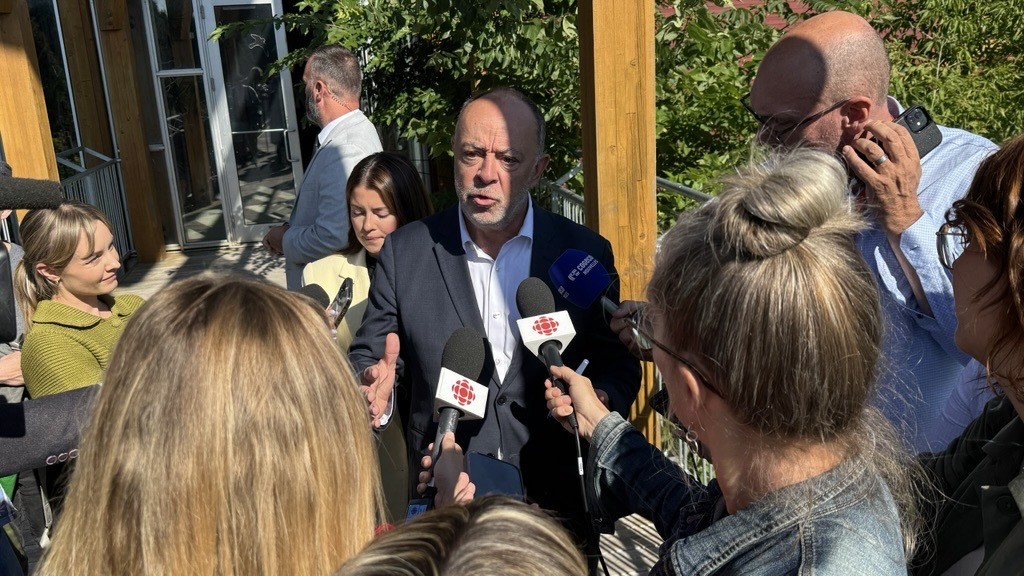
The strategy includes five measures to be implemented over the next year, as the government set aside $15 million in funding to achieve this.
“We have so many actions, and that’s the reason the policy we announced today is to put everybody together to say how much are we putting right now,” Minister Dubé added.
The first measure is chronic disease screening — $5 million granted in part to Santé Québec to set up pilot projects to identify people at risk and detect several chronic diseases including screening for type 2 diabetes, cardiovascular risk assessments and screening for HPV, the leading cause of cervical cancer.
$4 million will go towards supporting initiatives to end tobacco addiction.
$5 million will promote the supply and accessibility of physical activities to reach children, adults and seniors who are currently not very active, including certain groups who require adapted access.
$800,000 will go towards promoting research and innovation, for example, testing new tools like artificial intelligence, to support professionals.
$200,000 will be granted to the Health and Welfare Commissioner to mobilize and equip the population to take ownership of prevention issues and actively contribute to change.
Dubé announced last November that this prevention project was in the pipeline. He explained at the time that the role of his department would evolve with the establishment of Santé Québec, and that in this context, he intended to give “greater importance to prevention.”
The province says the strategy is the result of an extensive consultation process conducted between December 2024 and June 2025.
Last spring, the government issued a call for contributions from organizations, experts, and citizens to help identify prevention actions that could improve the health and well-being of the population.
An implementation plan for the strategy is expected to be unveiled in the coming months.
Quebec maintains that the new national strategy will “strengthen preventive actions in various sectors by mobilizing both the sectors concerned and the population.”
The objective is to focus more on prevention in order to reduce the need for health care and social services.
“By adopting an ambitious national strategy today, we are ensuring greater coherence between government actions and those of our partners,” said Dubé. “With this strategy, we are preparing to better respond to current and future health challenges.”
While advocates say the funding is welcome, they also say the province needs to go public with longer-term commitments if they plan on launching this strategy over the next 10 years.
“We would like to see if it’s a 10-year strategy to have funding for at least a couple of years already announced,” said David Raynaud, the senior manager of the Quebec advocacy team with the Canadian Cancer Society. “So we have long-term funding and we can reach the ambition that we want to.”
Others say prevention can have an even bigger impact on vulnerable communities.
Indigenous health advocate Stanley Vollant says target measures are even more important, given the high rates of chronic illness within Indigenous communities.
“Sixty per cent of people are overweight, 40 per cent of people over 40 years have diabetes. This has a major impact on healthcare,” Vollant said.
CityNews spoke to some Montrealers on Thursday who had mixed reactions to the province’s new prevention strategy.
“Christian Dubé, he made the best for what he thinks could be good about the money. The problem is money again, all the time money,” said Robert Monty.
“We need to invest in healthcare because we are getting older,” added Jytzel Rivera De La Rosa. “Young people stay young, but older people are the ones who come in most often, which means more illness.”