Negotiations to resume between Quebec and traffic controllers’ union
Posted September 16, 2025 4:05 pm.
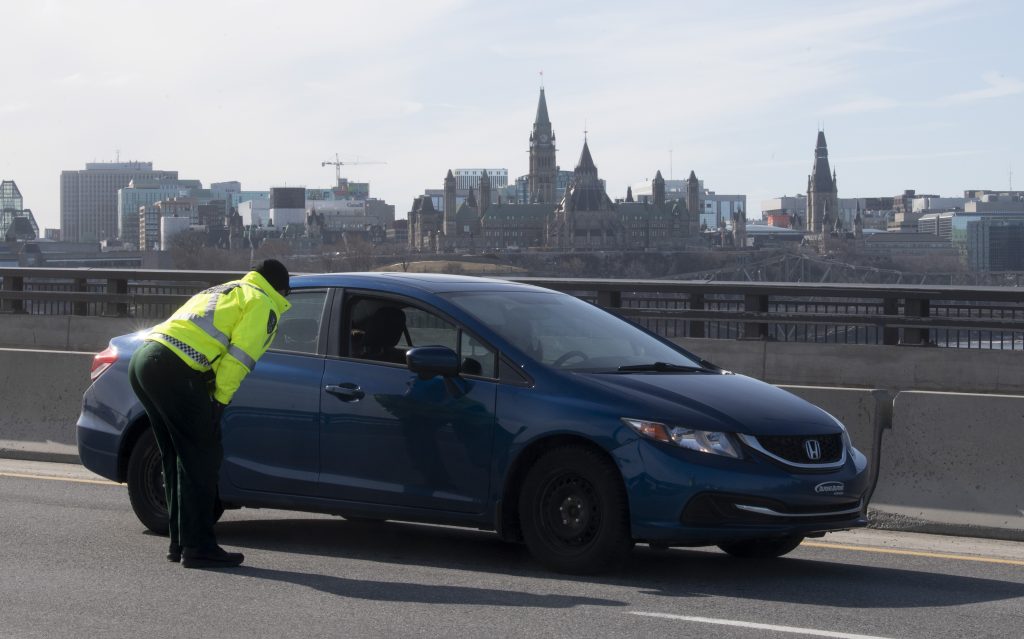
Negotiations will soon resume between Quebec and the union representing 300 traffic controllers, more than two years after their collective agreement expired.
A “preparatory meeting” is scheduled for next Monday, with formal talks planned later in September and again in October, said Jean-Claude Daignault, president of the Fraternité des constables du contrôle routier du Québec, in an interview Tuesday.
The collective agreement expired in March 2023. A tentative deal was reached on April 11 but was rejected by members with 53 per cent voting against it.
Daignault said he hopes the arrival of a new Transport Minister, Jonathan Julien, and a new Treasury Board President, France-Élaine Duranceau, will give fresh momentum to the talks.
“The Treasury Board will have to be more accommodating regarding the work of traffic controllers, and better understand the difficulties of retaining our workforce,” he said.
The dispute is not centred on wages but on work-life balance and ways to attract and retain candidates. Many employees leave after just a few years, Daignault noted.
When the tentative deal was rejected in April, the Treasury Board cautioned that the government’s framework for negotiations and its objectives on work organization could not be called into question.
Quebec has since reached agreements with the vast majority of other public-sector employees while staying within its financial framework.
The already difficult negotiations have been complicated by another conflict, traffic controllers’ request to be allowed to carry a weapon on the job. The constables already hold peace officer status.
Last March, the Administrative Labour Tribunal sided with the union, ruling that controllers face dangers in the course of their work. As a result, their unplanned roadside interventions were suspended.
That interruption has led to road safety concerns and reduced government revenue.
Daignault said the issue requires input from Contrôle routier Québec, which reports to the Société de l’assurance automobile du Québec, as well as the Transport Ministry and the Treasury Board.
“The Treasury Board holds the monetary strings, so they have the final say,” he said. “But the Ministry of Transport must also say: ‘This is important; traffic controllers need to get back on the roads.’ And if the Treasury Board were able to provide a little extra push, it could definitely help.”