Montreal’s municipal election campaign kicks off: Candidates set priorities, voters speak out
Posted September 19, 2025 5:05 pm.
Last Updated September 19, 2025 5:22 pm.
Montreal’s municipal election campaign officially kicked off Friday, Sept. 19, setting the stage for a six-week race that will end at the polls on Nov. 2.
With candidates laying out their priorities, one of the biggest questions this time around is whether more Montrealers will actually vote.
In the last municipal election in 2021, turnout was just 38.3 per cent, among the lowest in recent history. Élections Montréal says boosting participation is its top priority this year, and new initiatives are in place to make casting a ballot easier.
Residents will have seven days to vote in total, including advance polling on Oct. 26 at more than 200 locations, the option to vote by mail, and mobile polling stations.
For the first time, post-secondary students will also be able to vote on campus, at seven universities and nine CEGEPs across the city.
Officials say the measure alone could reach more than 100,000 potential voters, many of them young people. A group where only one in five cast a ballot last time.
“Facilitating the vote and promoting participation is the priority,” said Sébastien Trottier, spokesperson for Élections Montréal. “We want the highest turnout rate possible.”
As campaigns got underway Friday, candidates wasted no time outlining their priorities.
Projet Montréal leader Luc Rabouin said he will put all his energy “in the first weeks and months into the housing crisis.”
Ensemble Montréal’s Soraya Martinez Ferrada promised immediate action on homelessness, explaining, “We want to put in place a group of action within all levels of government, nonprofit and private sectors in order to tackle the issue with a real clear plan.”
Craig Sauvé emphasized everyday needs, noting, “Voting is super important in this election because we’re talking about our very basic needs, affordable housing, our parks, our roads, our public transport. The first week in office, my priority will be the housing and homelessness crisis.”
Jean-François Kacou, leader of Futur Montréal, said low turnout shows a need for change: “Half of the population is not coming to vote… we need new blood, new fresh faces and new ideas.” He added his first focus would be uniting elected officials and managing the city’s finances more efficiently.
CityNews reached out to Action Montréal, but the party did not respond to our request for an interview.
While the candidates outlined their priorities, Montrealers on the streets shared what they hope the next mayor will tackle.
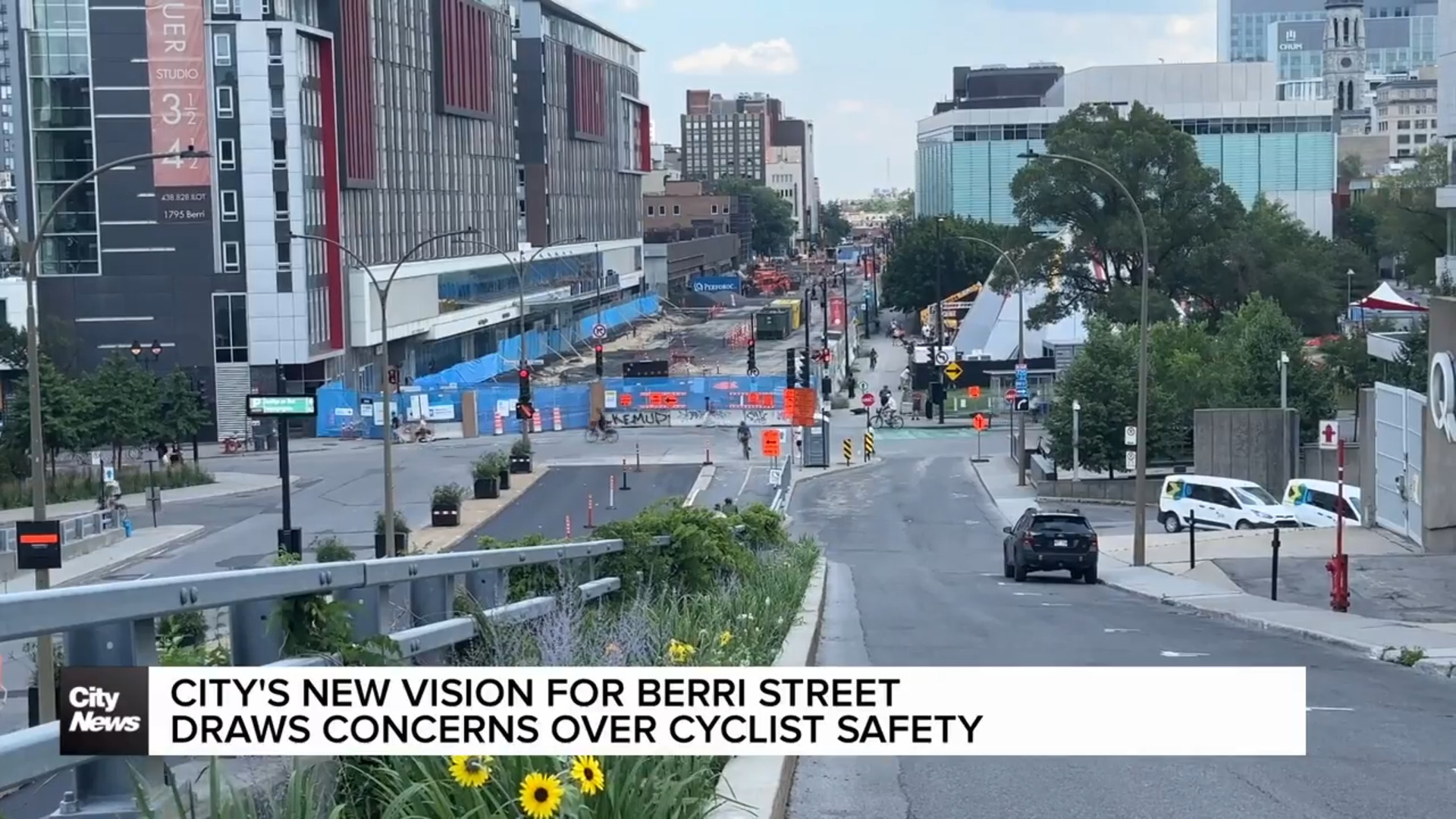
“I would probably say time the construction so that it’s easier for people to navigate the streets,” said one resident, Jocelyn Feine.
Another Montrealer, Omar added, “definitely homelessness, especially in the downtown area, and lower rents downtown as well.”
Others focused on transit and worker issues, with Arya Komali noting, “Maybe what I’d like to see from the next mayor is more equality for STM workers so we can have fewer strikes.”
For Mathilde she says it would be “great to stop dismantling and actually find places for people to go.”
Montrealers will be voting for far more than the mayor. In total, 102 positions across 19 boroughs and 58 districts will be on the ballot.
Nominations for candidates remain open until Oct. 3, while voter registration must be confirmed by Oct. 16.
Key dates:
- Sept. 19 to Oct. 3 (4:30 p.m.): Period for submitting an election application
- Sept. 22: Filing of the electoral list
- Oct. 11-16: Electoral registration period
- Oct. 24, 27, 28 and 29: Student polling stations on university campuses and in large CEGEPs (schedule varies depending on these locations) and voting in the offices of the returning office
- Oct. 25: Voting in large residences and at home for people who have requested it before Oct. 16.
- Oct. 26: Advance voting from noon to 8 p.m.
- Nov. 2: Official Election Day from 10 a.m. to 8 p.m.
Election by the numbers:
2: The Montreal election is the 2nd largest municipal election in the country.
33: The number of places where it will be possible to register on the electoral roll.
58: The number of electoral districts in Montreal.
340: The number of candidates in the 2021 general election.
450: The expected number of polling places on official election day.
13,000: The number of positions to be filled to serve voters on election day.
13,000: The number of ballot statements to be entered and compiled on election night.
1.134 million: Projected number of eligible voters.
1.5 million: Number of mailings to inform voters about their rights and the election.
4.5 million: The number of ballots to be printed for the election.