Montreal program helps young cancer survivors regain strength
Posted September 23, 2025 2:24 pm.
Last Updated September 23, 2025 4:40 pm.
A new program is helping young cancer survivors in Montreal rebuild their lives after chemotherapy — one workout at a time.
Led by Dr. Ramy Saleh, a medical oncologist at the McGill University Health Centre (MUHC), the program is designed to support recovery through supervised physical activity and therapeutic care. It also addresses a commonly overlooked challenge faced by many survivors: post-treatment isolation.
Addressing post-treatment isolation
For patients aged 16 to 40, chemotherapy can be isolating. Physical changes such as hair loss, muscle loss, and weight fluctuations can take a toll on confidence — and those effects often linger long after treatment ends.
“Most of the time we focus on cancer and medications… what we tend to not focus on is how do they reintegrate back into society,” said Dr. Saleh. “With chemotherapy and those harsh treatments… sometimes it’s hard to reintegrate.”
Saleh said he was inspired by growing evidence that regular exercise after cancer can improve long-term outcomes. The program offers patients a chance to regain physical function — but just as importantly, to feel seen, supported, and strong again.

Gym access, personal training and massage therapy
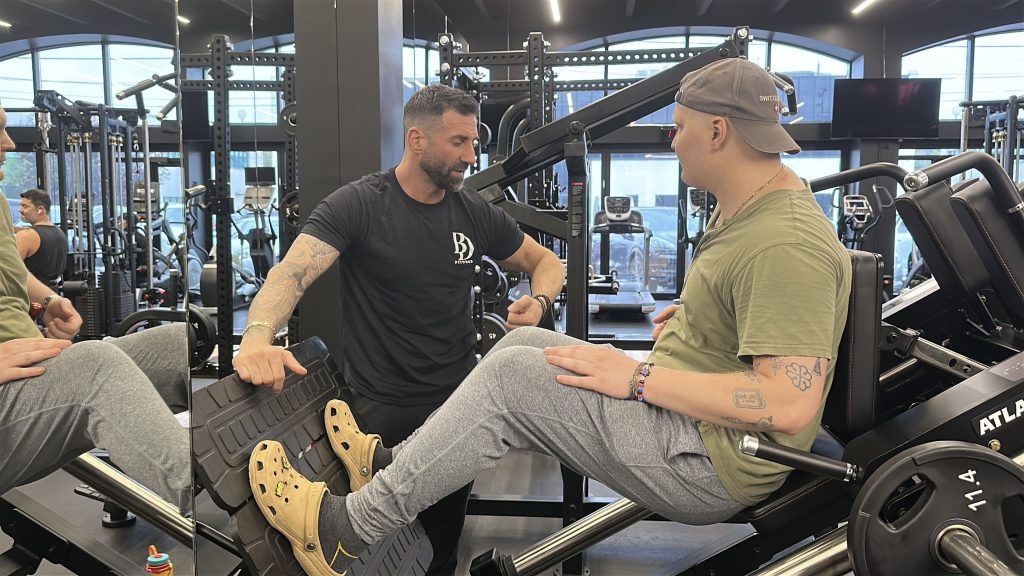
The initiative provides three months of free gym access to eligible MUHC patients under age 50. The program includes personalized, supervised training sessions focused on strength, mobility, and body confidence — plus one therapeutic massage to support physical recovery and mental well-being.
Participants are invited to join after completing chemotherapy, and must complete a questionnaire and basic bloodwork. From there, they are matched with a certified trainer to begin their eight-sessions-per-month program, entirely free of charge.
“We cover the costs for the three-month membership as well as the trainer,” said Dr. Saleh. “And just to sweeten the deal… we can offer them also a free massage.”
Reclaiming routine after cancer
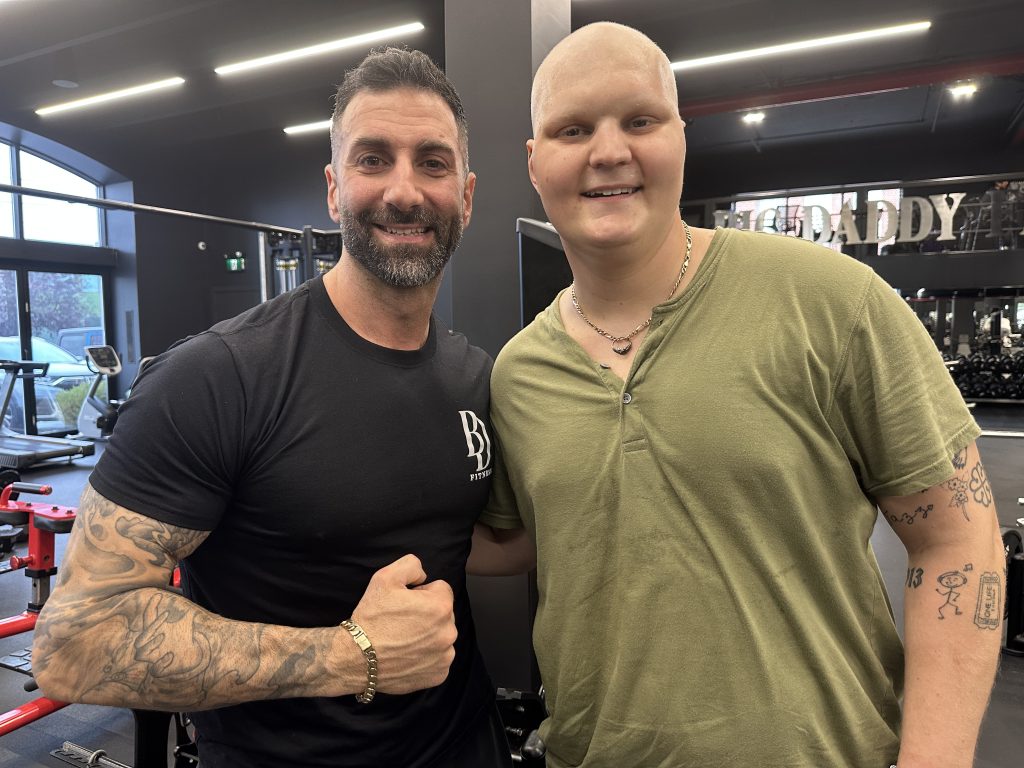
For Casey Bunter, the program came at a turning point. Diagnosed with testicular cancer in December 2024, Bunter completed two cycles of chemotherapy and was determined to rebuild the strength and active lifestyle he once had.
“My biggest challenge would say just general health — like doing regular exercise, getting back into the groove of things, getting back into life’s routine,” he said.

As soon as Dr. Saleh told him about the program, Bunter was all in. “I thought it was great for me.”
Bunter admits he felt some hesitation at first — starting again after cancer wasn’t easy. But the support from Vlachos, Dr. Saleh, and his loved ones helped him push forward.
“It’s good to have some sort of guidance… the fitness industry can be quite intimidating,” he said. “This gives you support and structure — and helps you get back to the lifestyle you had before.”
A personal fight meets a professional mission
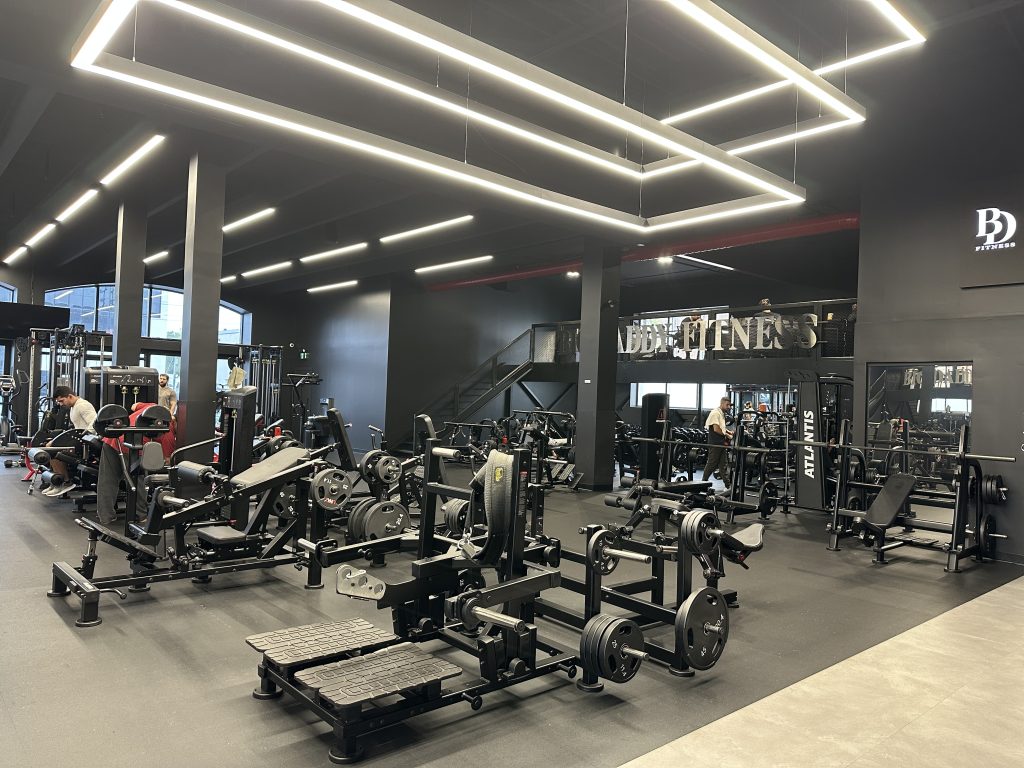
Big Daddy Fitness, a local gym in Montreal, stepped in to support the project. Gym owner Nico Vlachos said he didn’t hesitate when approached by Dr. Saleh.
“I’ve been in the fitness community over 22 years… helping people was my number one thing,” he said. “One of my close members passed away from cancer, and that had made a big impact in my life.”

Vlachos said that loss motivated him to be part of something meaningful — even if he wasn’t in the medical field himself. “I want to give back as much as I can… from energy and positive vibes and just help them with their fitness journey.”
He trains participants with care and attentiveness, adjusting intensity based on their energy levels and comfort. “You see a type of level where they’re at… you go with their max capacity,” he said. “Make sure their form is right, and check in after every set.”
But it’s more than just reps and routines.
“This is therapy,” Vlachos said. “When you train, you feel stronger… your energy gets higher, and you just feel more confident. It changes everything.”
Looking forward
Dr. Saleh and his team are tracking physical and emotional outcomes throughout the program — from muscle strength and mobility to mood and social participation — with the goal of expanding the initiative in the future.
“Those people fought a very hard fight against cancer,” said Saleh. “They deserve that we push them to go back into society and feel great about themselves.”