McCord Stewart Museum welcomes African Fashion exhibit
Posted September 24, 2025 10:43 am.
Last Updated September 24, 2025 6:09 pm.
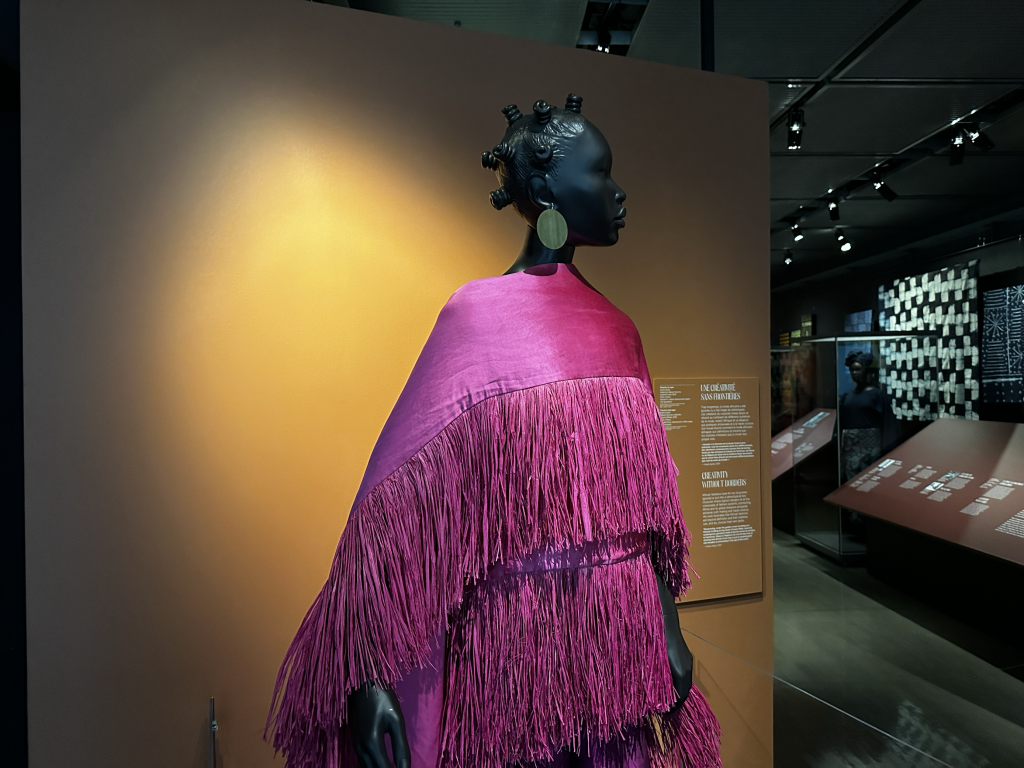
A new exhibition celebrating the creativity of the contemporary African fashion scene, titled Africa Fashion, will be at the McCord Stewart Museum from September 25 to February 1, 2026 — as the only Canadian stop on an international tour and organized by London’s Victoria and Albert Museum.
“Coming into Africa Fashion, what you’ll find are garments from over 45 designers across the continent, adornments, photographs, video, and other wonderful things that really paint a picture of what is a buzzing African fashion scene,” said Dr. Christine Checinska, an African diaspora textiles and fashion senior curator at the Victoria & Albert Museum.
“I feel really proud that I’ve played my part in bringing this story to all of the international venues.”

The exhibition is said to be one of the largest ever dedicated to African fashion, showcasing the creative energy of designers, makers, and photographers from across the continent. The exhibition features one hundred garments and accessories, as well as textiles, photographs, and videos, from the early 1960s to today.
“Not only is it a visually stunning exhibition, I think the research done by Dr. Christine Shikinska is really inspiring and profound so it’s an exhibition in which you can have a nice aesthetic experience, but also really learn a lot about a whole continent of creativity,” said Alexis Walker, the associate curator of dress, fashion and textiles at the McCord Stewart Museum.
“What this exhibition is presenting is African fashion maybe through the lens of, through a socio-political context so the exhibition really starts in the 1960s with the liberation movements in Africa.”
Adding, “I think in 1960, 17 African countries kind of kicked out their kind of colonial powers. So I think the exhibition opens with a look at how art, literature, music, and textiles, and fashion played a role in this political context.”
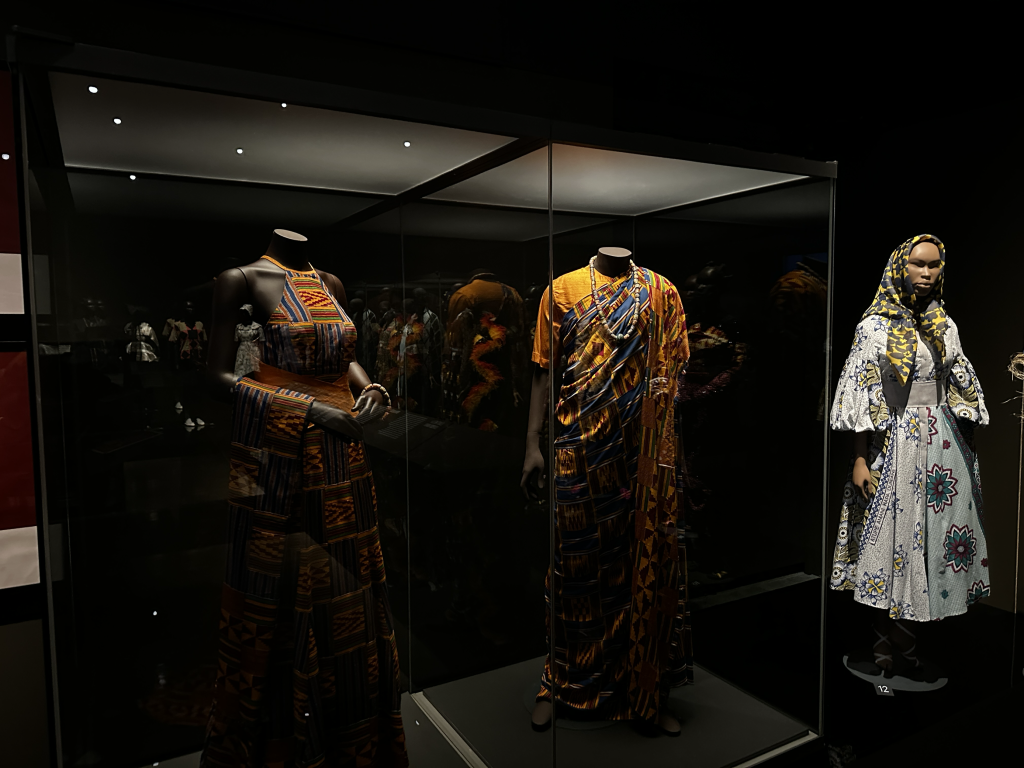
Walker and Checinska explain that this also takes you into modern fashion while honoring the dozens of pioneers in the industry.
“You can look at things and just appreciate the beauty of the craftsmanship of the design, but also understand that this is about, like I said, a self-defining art form,” said Walker.
Checinska said, “The story that we wanted to tell was a story about the diversity of an African fashion scene that really is as diverse as the continent itself.” Adding, “It’s also a story of Black joy and it’s about pride in being Black and African, and I feel that that’s something that connects all of the work in the show.”
“Our guiding principle for Africa Fashion is the foregrounding of individual African voices and perspectives. The exhibition presents African fashions as a self-defining art form that reveals the richness and diversity of African histories and cultures,” says Checinska.
“Africa Fashion celebrates the vitality and innovation of a selection of fashion creatives, exploring the work of the vanguard in the twentieth century and the creatives at the heart of this eclectic and cosmopolitan scene today. We hope this exhibition will spark a renegotiation of the geography of fashion and become a game-changer for the field.”

The second half of the exhibition shows the evolution and growth from the 1960s to the 2000s – all pushing boundaries and opening up dialogues around culture, race, gender, and sexuality.
“The exhibition looks at five foundational designers. So we could say designers from the 60s to the 90s who really started to establish brands that were successful,” said Walker.
“I think today we really need to broaden our definition of fashion, understand that there’s many different fashion systems in the world, African, indigenous, what have you. And, you know, we have to stop just looking at Europe as kind of the high watermark or the reference because there’s lots of beautiful fashion being made everywhere.”


Checinska adding, “Yes, it’s about diverse aesthetics. Yes, it’s about the diversity of African people, but it’s also about this sense of joy. So, feeling that you don’t have to be tethered towards trauma, you don’t have to be tethered towards politics. It can actually be about the joy of dressing up and being fully yourself.”
Additional stops on this international tour include London, Brooklyn, Portland, Melbourne, and Chicago, which will all illustrate how African fashions have drawn international attention while becoming a powerful force for post-colonial self-expression.