Nearly $568 million in public funds lost with Recyclage Carbone Varennes

Posted September 29, 2025 10:19 pm.
Economy Minister Christine Fréchette refuses to comment on the fate of hundreds of millions of dollars in public money that will clearly be lost in the Recyclage Carbone Varennes (RCV) venture.
La Presse revealed on Monday that StormFisher, a Canadian-American company, is offering to buy the plant for a pittance, $17.5 million. However, this plant, which was 75 per cent complete when the company chose to file for protection under the Companies’ Creditors Arrangement Act, was ultimately expected to represent an investment of $1.5 billion. This amount was the result of cost overruns, as the initial cost of the project was estimated at $1.3 billion.
Public money
Visiting Varennes on Monday to announce another investment in a company in this Montérégie municipality, Fréchette refused to say how much Quebec would lose, even though it is public knowledge that Quebec had committed $365 million in loans and preferred shares.
Ottawa, for its part, had promised $187 million in grants for the project, while the Canada Infrastructure Bank (CIB) had announced a $277 million loan to the joint venture between Shell, Suncor, Proman and the Quebec government, which were shareholders in RCV.
In the end, of the approximately $829 million in public money promised, some $530 million was disbursed, in addition to $38 million in interim financing added by Investissement Québec and the CIB, sums that will certainly not be recovered.
RCV was jointly owned by oil and gas companies Suncor (27%), Shell (36%) and Proman (13%), as well as Investissement Québec (24%).
Fréchette took refuge behind the fact that the case is before the courts to limit her comments to the bare minimum: “I cannot comment on this case in detail because the process is ongoing.”
Big players
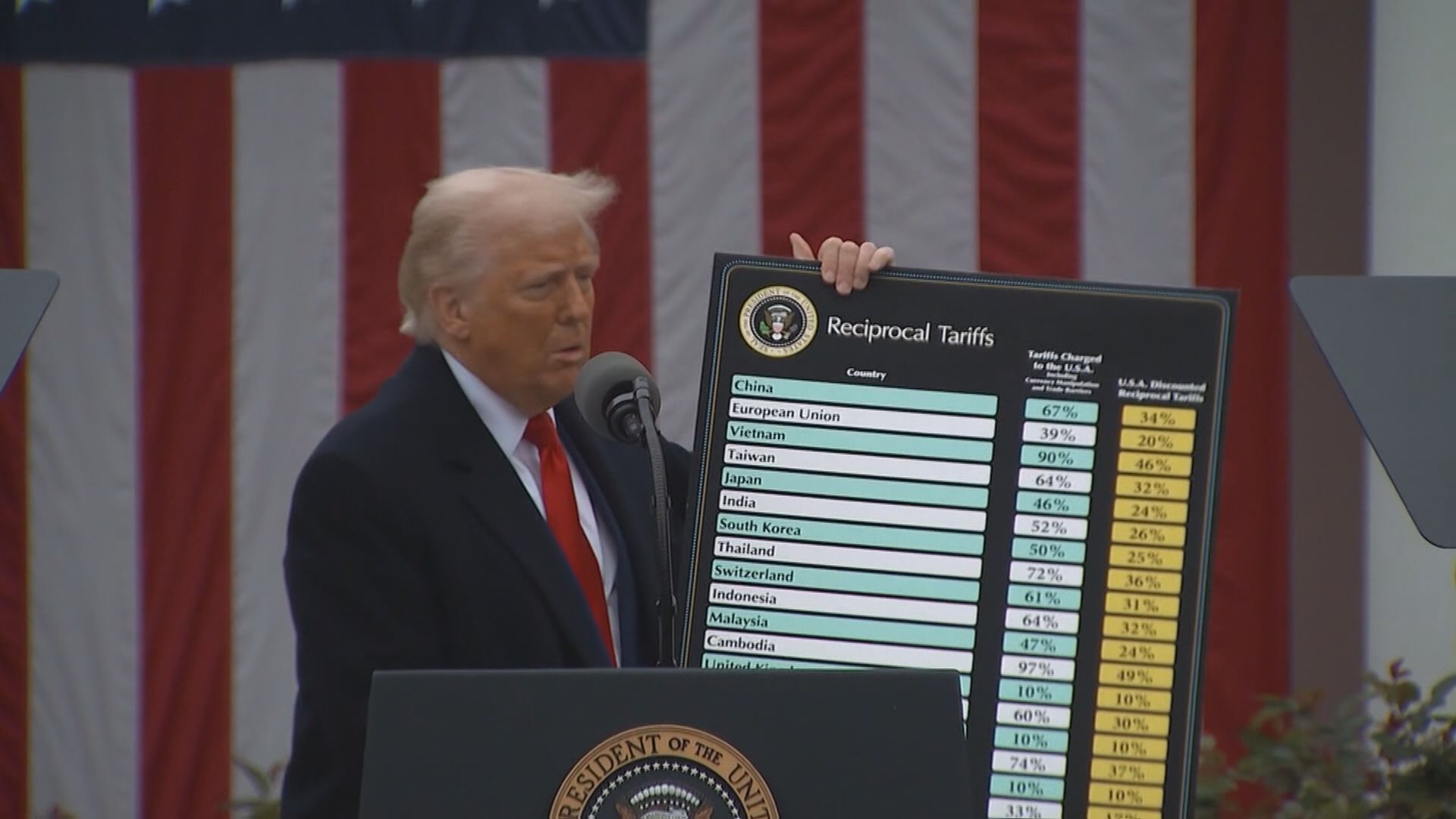
Acknowledging that “it didn’t achieve the success we wanted,” she pointed out that there were still “other big players involved with us,” referring in particular to Shell and Suncor. However, she argued, “there have been changes in the market; costs increased at the project level, a major shareholder also withdrew, and with the Trump administration, we saw a drop in costs.”
RCV was initially expected to produce 125 million liters of biomethanol for marine transportation by recovering and recycling more than 200,000 tons of waste annually. Half of this tonnage was to consist of forest biomass residues and the other half of non-recyclable waste materials, which would have prevented their landfill disposal and the resulting methane emissions.
StormFisher, for its part, intends to produce “e-methanol” from green hydrogen.
Quebec is not currently supporting StormFisher’s $17.5 million offer, Ms. Fréchette said. “There is no support as such planned. The process is ongoing, and that is where it must be dealt with and analyzed. Once that process is complete, we will make a decision.”
According to La Presse, creditors requested and obtained a short extension from the court to assess what could be obtained from liquidating the assets, as their value is estimated at approximately $41.5 million. These creditors, like Quebec City and Ottawa, will not see a penny of their capital.
–This report by La Presse Canadienne was translated by CityNews