Montreal Metro nears 59th anniversary, a legacy of bold vision and modern transit
Posted October 12, 2025 11:07 am.
Last Updated October 13, 2025 2:08 pm.
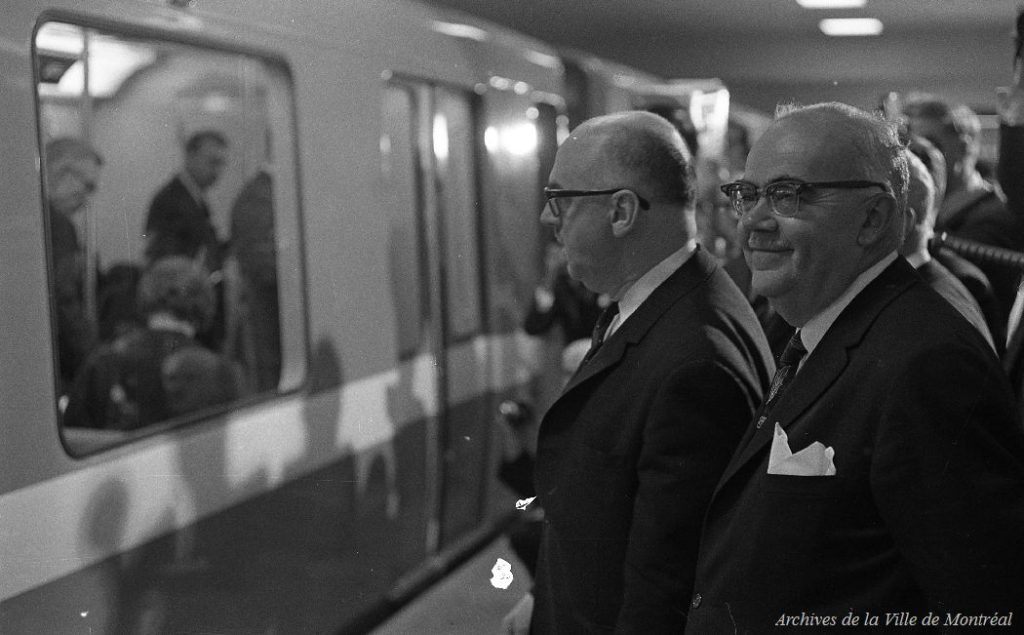
Picture this: it’s 1966. The streets are packed, excitement is in the air, and hundreds of Montrealers gather underground to witness something brand new. A ceremony is held, marking the official inauguration, and just like that, Montreal’s first metro train is ready to roll.
That moment, on Oct. 14, 1966, changed how people moved through the city — and how Montreal saw itself. Sleek, modern, and running on rubber tires, the metro was more than a transit system. It was a statement: Montreal was ready for the future.
Now, nearly 59 years later, the metro is still rolling strong.
A dream that took decades
The idea of building a metro in Montreal dates back more than 120 years, to 1902, but for decades, the project was stalled by wars, financial crises and debates over whether a metro was even needed.
Traffic, however, kept getting worse — and in 1954, Toronto opened Canada’s first subway. By 1960, Montreal’s political leaders decided it was time to catch up.
The Paris inspiration
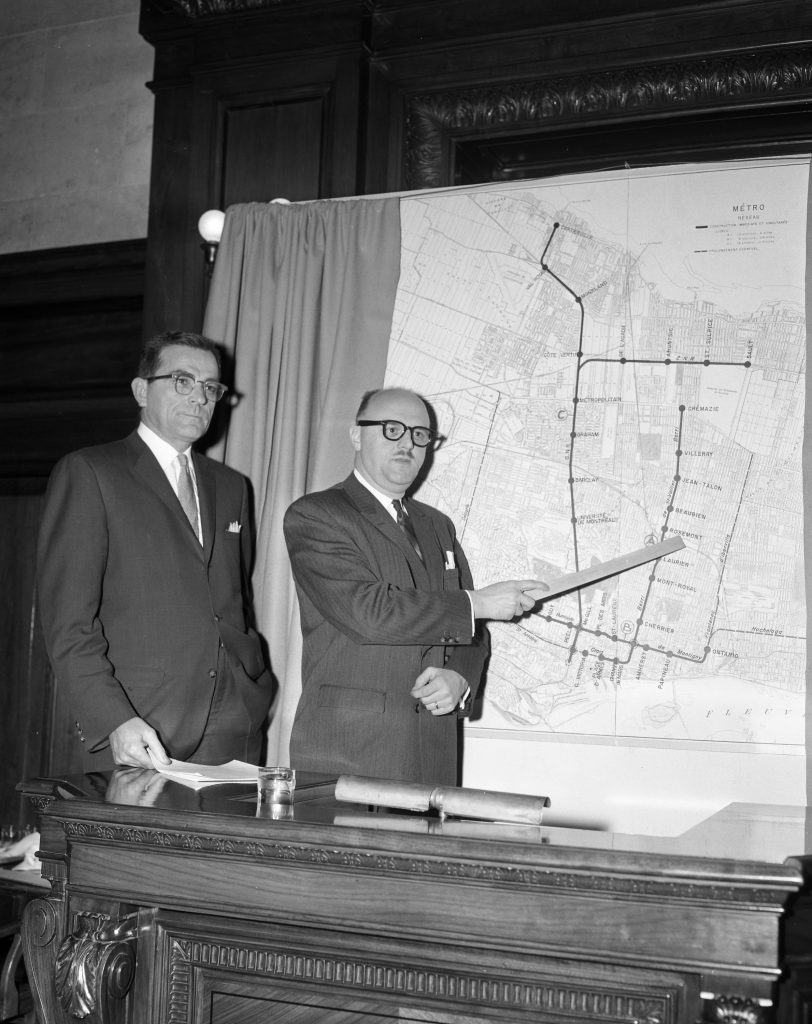
Mayor Jean Drapeau was not initially sold on the idea of building a metro, but that changed after a visit to Paris, where he saw trains running on rubber tires. The system was quieter, smoother and more modern than steel-wheeled subways.
He returned home inspired to create a French-style metro in Montreal. In January 1961, Quebec gave the city full control over the project — and responsibility for its costs. Construction officially began in May 1962.
A metro unlike any other
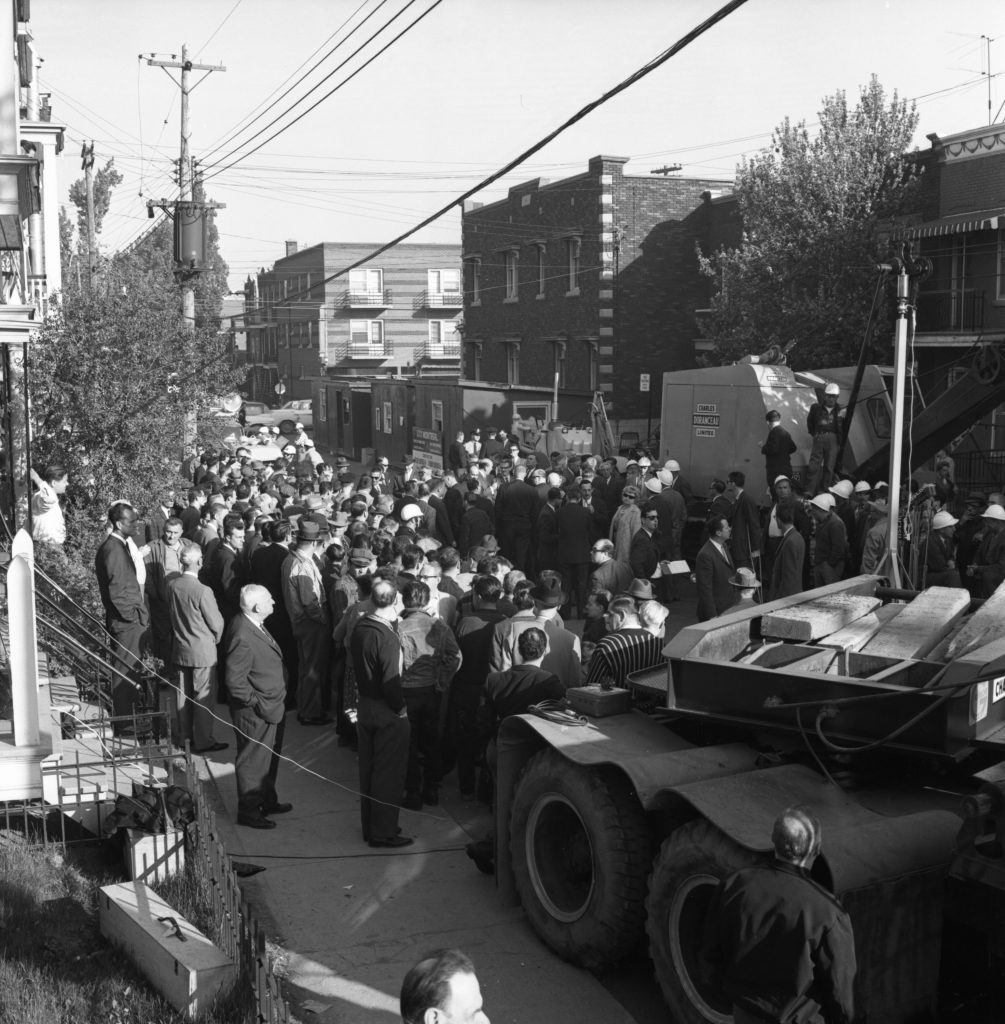
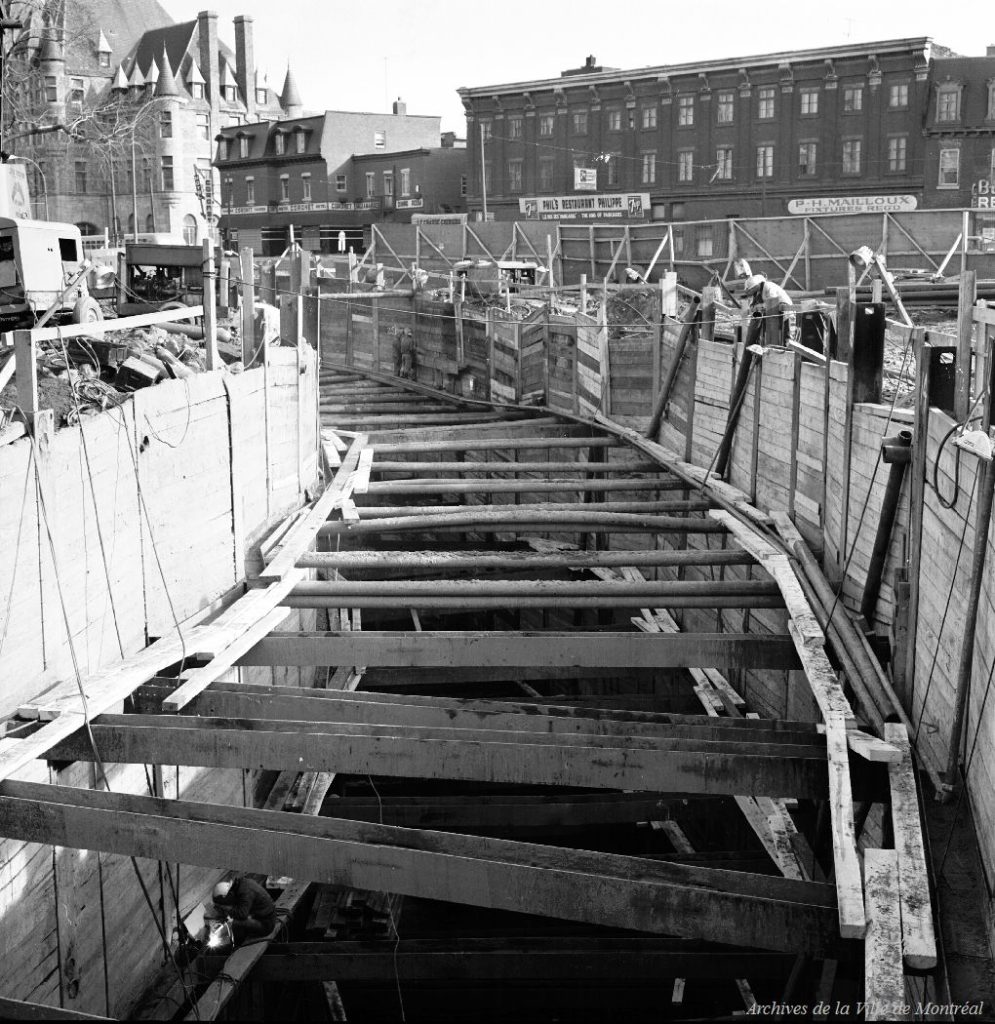
It took just four years to build the first lines — a massive undertaking involving about 5,000 workers. Tragically, 12 workers lost their lives during construction.
From the start, Montreal’s metro stood out for its design. Every station had a unique look, with architecture and artwork created by Quebec artists. The goal was to make the metro not just functional, but beautiful — and reflective of the city’s cultural identity.
The big day
On Oct. 14, 1966, 20 stations opened all at once. The Green and Orange lines began service that day, while the Yellow Line followed in April 1967 — just in time for Expo 67. More than a million people rode the trains that weekend, just to experience the new system.

Fast facts from day one:
- The original network included 26 stations along three lines: Green (Atwater to Frontenac), Orange (Henri-Bourassa to Bonaventure), and Yellow (Berri–De Montigny to Longueuil).
- In its first year, the metro saw over 130 million trips.
- “Berri–De Montigny” was named after the intersection of Rue Berri and Rue De Montigny — the latter was later renamed De Maisonneuve Blvd.
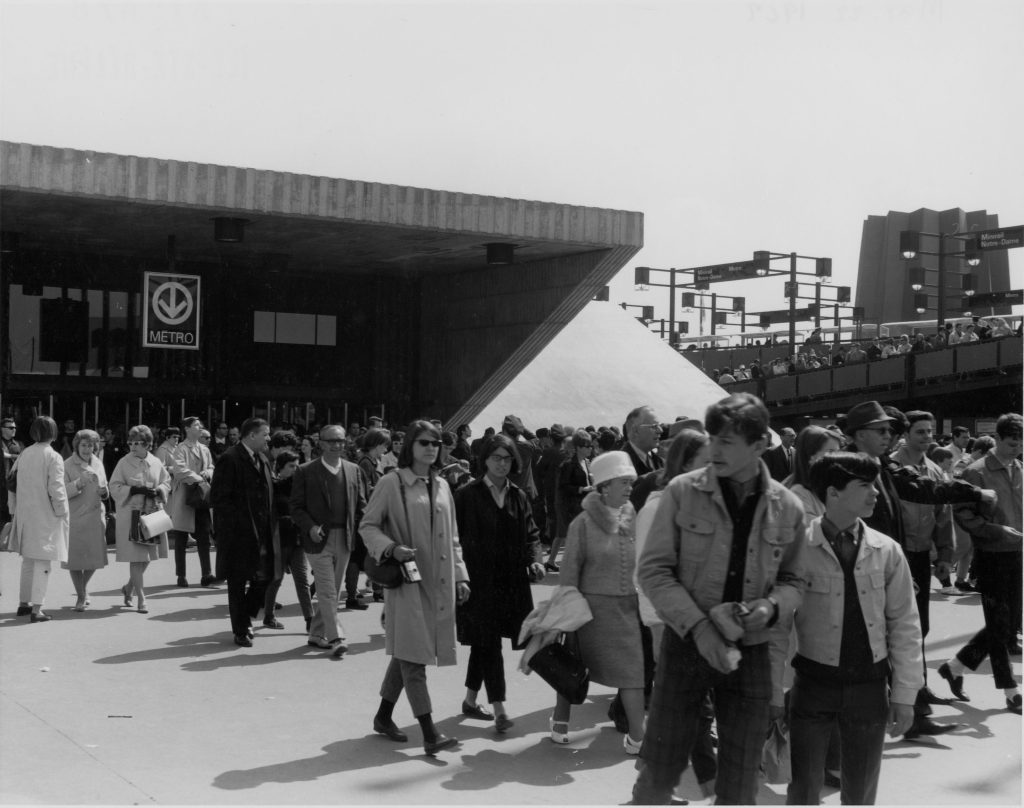
- During Expo 67, the Île Sainte-Hélène station saw 418,000 riders in a single day — a record at the time.
More lines, more riders
Over the years, the metro kept growing.
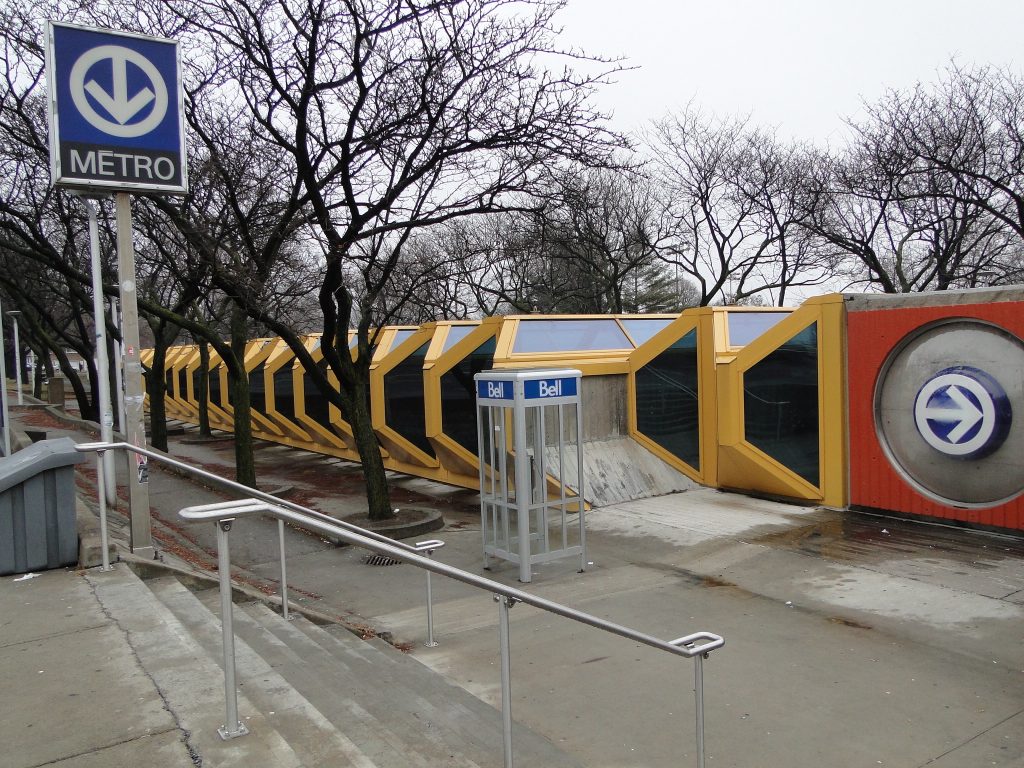
The Green Line was extended to reach the Olympic Stadium for the 1976 Summer Games. The Blue Line opened in phases during the 1980s and was completed in 1988. In the 2000s, the Orange Line expanded to Laval.
New AZUR trains were introduced in 2016, offering greater capacity, full inter-car passage, and improved accessibility.
Today, the network includes four lines, 68 stations and 71 km of track — all underground, ideal for Montreal winters.
Art on every platform
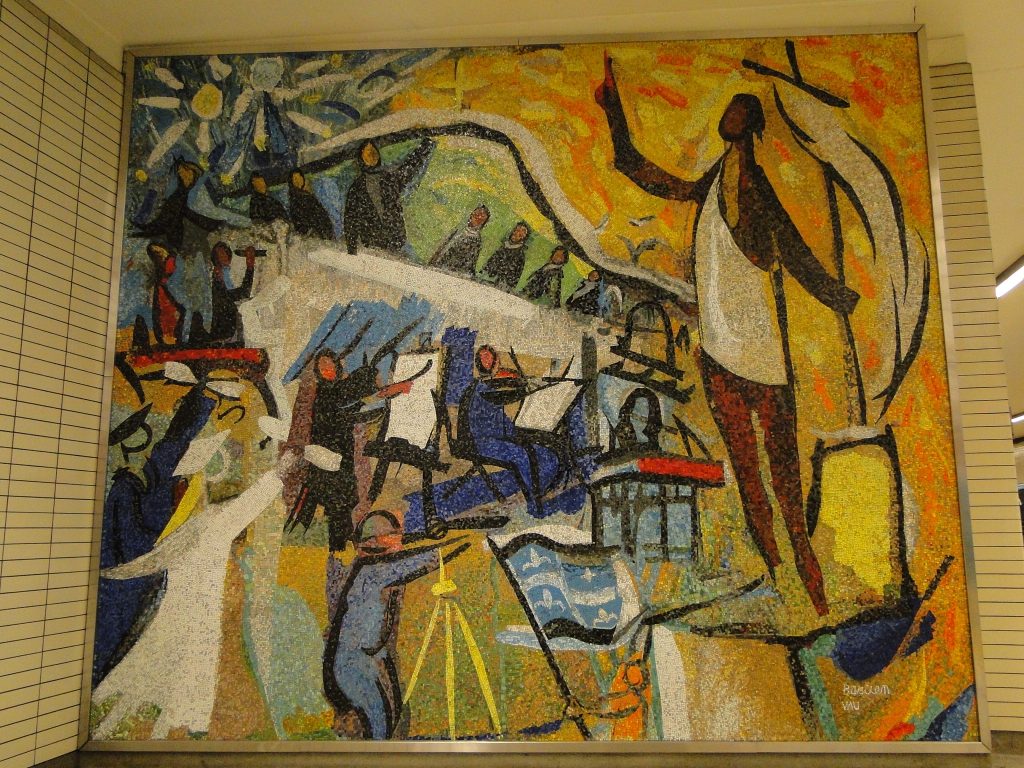
Art has always been integral to the Montreal Metro. From stained glass to sculptures, every station features work by Quebec artists. The tradition was meant to distinguish Montreal from other North American systems and continues to this day. One per cent of the construction budget for new stations is dedicated to art.
Still moving forward
In 2018, Montrealers made more than 383 million trips on the metro. Even as other cities struggle with ridership, Montreal’s network remains one of the busiest in North America.
A five-station extension of the Blue Line is currently under construction and is expected to open in 2026.
For nearly six decades, the Montreal Metro remains more than a way to get from place to place — it’s part of the city’s story.