Learning French after 50: LaSalle program helps adults tackle language barriers
Posted October 22, 2025 4:05 pm.
Last Updated October 22, 2025 5:11 pm.
Imagine standing in line at a café, ready to order a coffee — but the words just won’t come. That’s the kind of everyday challenge a LaSalle wellness centre is helping people over 50 overcome, one phrase at a time.
In the heart of Montreal’s LaSalle borough, a unique program at the LaSalle D&D 50+ Centre is helping older adults navigate daily life in French through a mix of group learning, real-world scenarios and community outings.
The program is made possible through the support of the Grace Dart Foundation.
French lessons meet real life
Designed specifically for people aged 50 and up, the program focuses on equipping seniors with essential French skills for real-life interactions — from ordering food and asking for directions to visiting clinics and grocery stores.
“What’s different about our program is its supportive approach,” said Diane Doonan, vice president of the centre’s board of directors and a lead volunteer. “It’s very simple — no focus on grammar, although we use correct grammar. It’s based on phonics. It’s based on only what you need to say in different scenarios.”
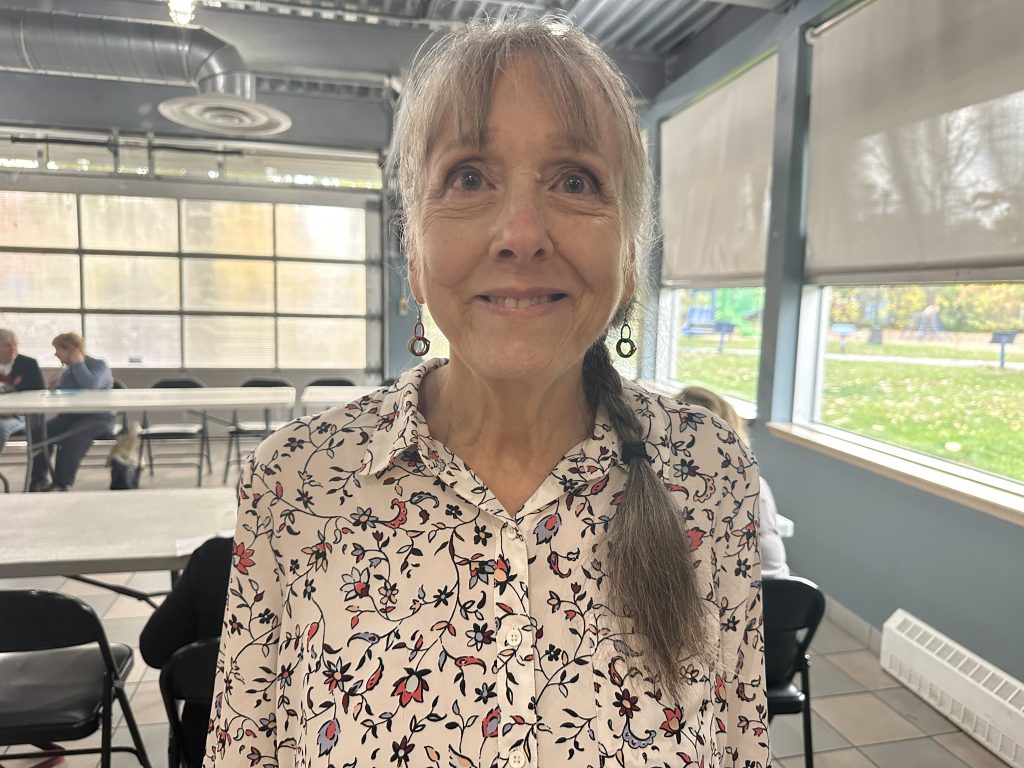
Participants are given themed booklets containing English phrases, their French equivalents and phonetic spellings. They practice pronunciation and role-play situations like ordering at a restaurant or asking about sales at a grocery store. When they feel ready, they head out as a group to try their skills in the community — with facilitators there for support.
“We just went to a restaurant and everybody ordered their breakfast in French,” said Doonan. “Now we’re working on purchasing groceries — vocabulary you would need in a grocery store. So, if you’re asking for a rain check, if you want to know what cuts of meat they recommend, the price of something — it’s extensive.”
The goal, Doonan said, is to build confidence fast. “When they look at their phonics and they sound it out, everybody understands what it is they’re saying. And it works — it works pretty much immediately.”
From isolation to interaction
For many older adults — particularly those from Anglophone or immigrant backgrounds — trying to use French in public can be intimidating. The centre works hard to change that, making fear a key focus of the curriculum.
“Fear of failure and public ridicule is the number one barrier to participation — not transportation, not mobility,” Doonan said. “We address that. We use large print. We ask people, ‘What are your barriers?’ and we also go together in groups on the outings to give mutual support.”
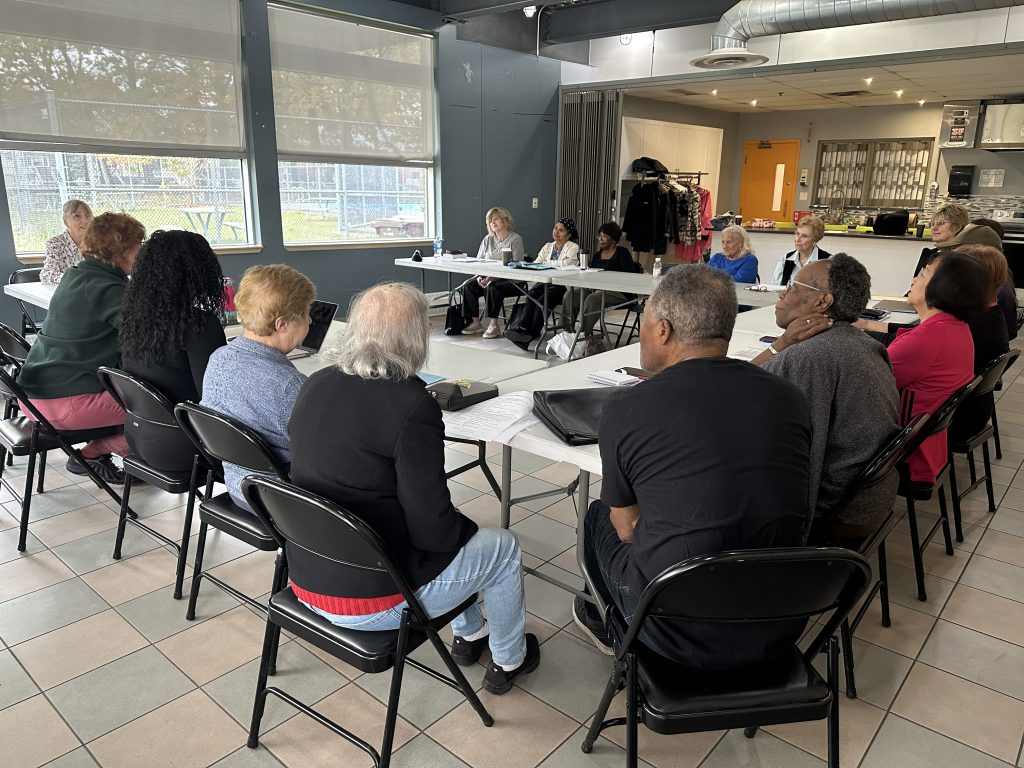
Those group outings — which start large and gradually shrink down to pairs or individuals — are followed by debrief sessions where participants reflect on what went well and what still feels challenging.
For many, the program is more than just language learning — it’s a boost to their social life, mental health and sense of purpose.
“I would like to say to the members: bravo,” said Doonan. “They’re making the decision to overcome a fear….We are a wellness centre, so we always look at the therapeutic outcomes. Everything we do has more than one benefit.”
The impact on participants
Stella Broda, 89, said she’s taken other French courses before, but never one that made her feel this connected to the language — or the community.
“I now bowl with French people, I do line dancing with French people,” she said. “Some of the things that I missed out before, I’m learning again, like the past tense, the future tense.”
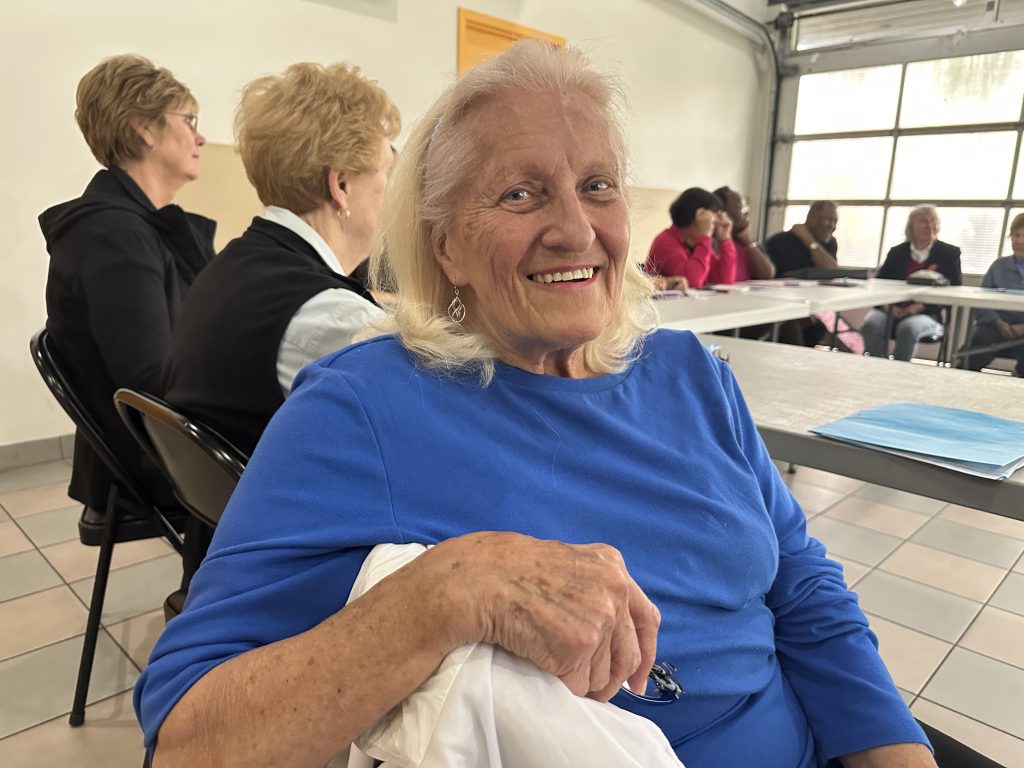
Broda, who also speaks Polish and Ukrainian, believes learning languages is vital — not just for communication, but for brain health. “They say with Alzheimer’s, if you do a lot of different things like languages, dancing, singing — it’s good for your brain. You might never get Alzheimer’s, or you might have a lower level.”
She credits the program’s use of repetition, phonics and writing for helping her remember the lessons. “It was very good. It was repetitive. The phonics helps a lot of people — even with me, even though I know how to pronounce some of the words.”
A program built on patience — and laughter
For participant Onagh Whitty, the free course being close to home was part of the appeal, but she quickly discovered it was also an environment where she felt encouraged and empowered.
“The course is given in a way that we all participate, we help each other, and we laugh at our mistakes,” Whitty said. “The instructors are very patient with us, and they encourage us.”

Another participant, Judy Gill, said that fear of embarrassment had kept her from learning French in the past, but this program changed that.
“I’ve taken a few courses, but with all the verbs and the tenses, I really had a hard time,” she said. “Here, I’m not embarrassed to try and talk. We all make mistakes, but we have a good time.”
Gill said she learned about the centre on Facebook. “I thought, oh, I’m going to join there. I live in LaSalle. And I just love it. Everybody is just so wonderful here.”

Making space for learning at every age
Doonan emphasized that no matter how many times something needs to be repeated — instructors will go over it until it clicks.
“Eventually, those groups will become smaller and smaller until people are willing to go in pairs and then solo. It’s very gradual and done in stages.”
Thanks to a mix of compassion, creativity and community support, the LaSalle D&D 50+ Centre is helping older Montrealers say more than just “bonjour” — they’re helping them belong.
And for Doonan and the team, it all comes down to one core message: “With support, you can do it.”