STM strike Day 11: Quebec to table law limiting pressure tactics; Montreal mayor-elect wants deal by Saturday
Posted November 11, 2025 8:45 am.
Last Updated November 11, 2025 5:08 pm.
Quebec Labour Minister Jean Boulet is set to table a bill Wednesday to put an end to the STM transit strike, which is now on day 11.
“We must put an end to this conflict, which is causing so much pain in Montreal,” Boulet told reporters in Quebec City. “Public transportation in Montreal is literally an essential service. We cannot tolerate this.”
This comes as Montreal’s mayor-elect says she wants a deal by Saturday, maintaining that public transit users in the city cannot deal with full STM strike days this coming weekend.
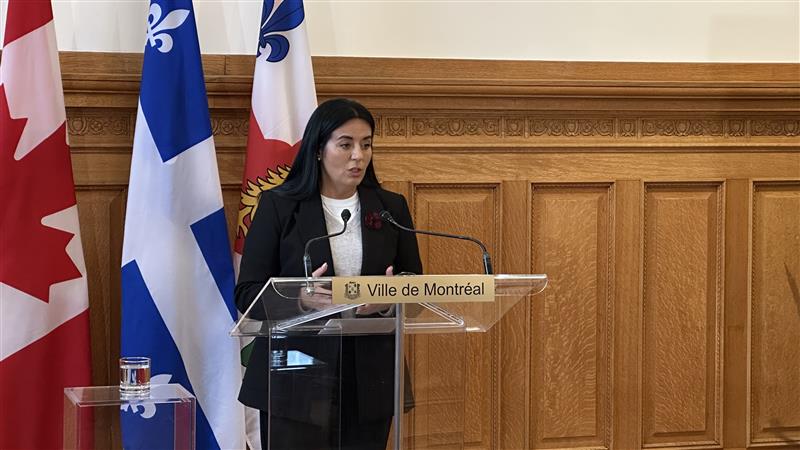
“The city cannot continue like this, cannot continue functioning like this,” said Soraya Martinez Ferrada at an early morning press conference on Tuesday. “My understanding is that conversations are going well, but not at the result we expected.
“I invite them to end the strike measures at this time, to stop holding citizens hostage to this strike, and to get down to the task of negotiating as quickly as possible. I think it’s possible. I think there are good conversations going on right now, but we absolutely must settle quickly if we don’t want to end up with a special law that will ultimately take away all their bargaining power.
“Montrealers can no longer tolerate a strike like this and the impact it has on their lives.”
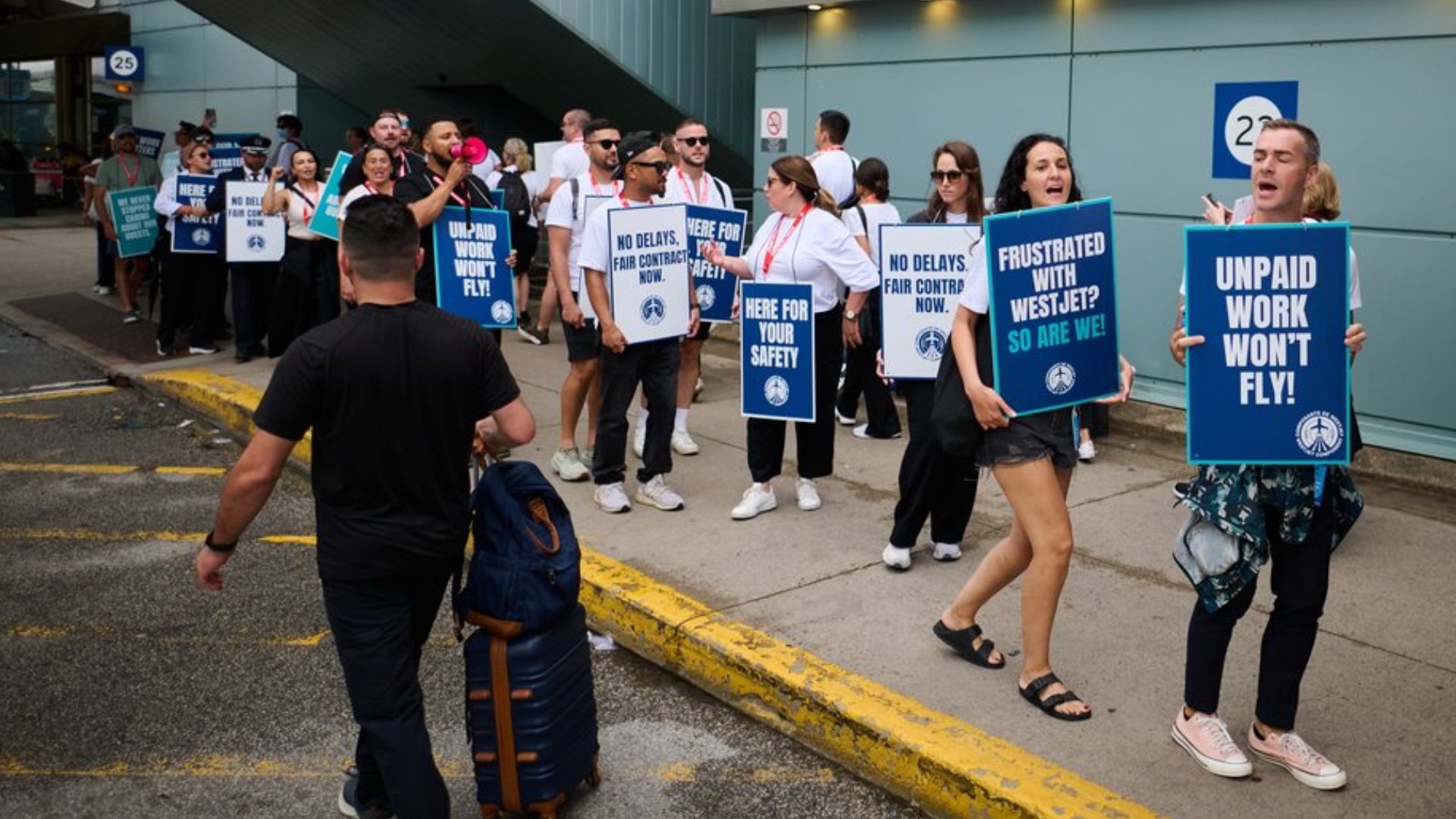
The union for 4,500 bus drivers and metro operators (affiliated with the FTQ) has given notice that they intend to strike Saturday and Sunday, which along with the 2,400 maintenance workers of the STM already on strike (affiliated with the CSN) would see the entire transit network in the city fully shut down for 48 hours.
Martinez Ferrada says the unions should limit the labour dispute to the bargaining table, calling the ongoing disruptions “unbearable” for Montrealers.
“Stopping all services like the bus drivers did, it’s not a way that you all are going to get the respect of Montrealers,” the mayor-elect said.
“You cannot paralyze a city.”
A Quebec Labour Tribunal heard arguments from STM management, the union for the bus drivers and metro operators, and other stakeholders on Monday. A judge is set to render a decision on what services might be maintained by Thursday. The STM is requesting that essential services also be provided during peak hours.
“They’ll have to answer to the public,” added Martinez Ferrada. “Negotiations are advancing, but we’re not at a deal yet.
“You have a bill coming up, so hurry up and negotiate so that the agreement is the one you negotiated.”
Bill 14
Minister Boulet is said to want to fast-track the adoption of legislation on Wednesday that would allow the implementation of Bill 14 — formerly Bill 89 — to be accelerated, limiting the right to strike and expanding the notion of “essential service.”
Adopted last spring, Boulet’s law “aimed at giving greater consideration to the needs of the population in the event of a strike or lockout” was supposed to come into force on Nov. 30.
This law would not prevent any pressure tactics, but would force union members to reduce the periods when the population is deprived of services.
“What we are living through right now gives additional legitimacy for a law that aims to control these serious drawbacks,” Boulet said.
“We must ensure that the law comes into effect as quickly as possible to put an end to the nightmare that so many people in Montreal are experiencing.”
To pass the legislation quickly, the CAQ government needs the unanimous support of the opposition.
Québec solidaire has refused to rush its implementation, advocating for negotiation and a massive reinvestment in public transit. On Tuesday morning, Québec solidaire confirmed it would be voting against it.
“This situation is 100 per cent the product of the CAQ,” said Alexandre Leduc, a QS MNA and the second opposition group critic for labour.
The Quebec Liberal Party said it was “talkable” in order to quickly restore public transit services. The Parti Québécois had shared a similar position to that of QS, but has since changed its mind and is open to negotiating with the government.
Setting the stage for constitutional challenges?
Labour lawyer François Longpré says the law is sure to draw constitutional challenges by unions in the future.
He also says the move draws parallels to when the federal government invoked a section of the Labour Code to force Air Canada workers back to work.
“Everyone realized there was this possible avenue that no one had thought of before, and now people are jumping on the bandwagon, of course,” said Longpré, an attorney with Borden Ladner Gervais.
The unions representing striking workers say Bill 14 “will only further unbalance labour relations in favour of employers.”
“With Bill 14, employers have no incentive to negotiate in good faith,” said CSN president Caroline Senneville. “They only have to wait patiently for the Minister of Labour to do the dirty work and impose the working conditions. All this from a government that suddenly professes a great love for public transit, even as it consistently underfunds it.
“Since the beginning of the conflict, the government has had the opportunity to prevent a strike that affects the public by properly funding public transit. Once again, it prefers to crack down on the workers.”
The Canadian Union of Public Employees (CUPE, or SCFP in Quebec) said it “strongly condemns” Minister Boulet’s possible fast-tracking of the legislation, calling it a “serious attack” on union rights and “an attempt to circumvent the ongoing mediation and negotiation process.”
“This action by Minister Boulet is a provocation,” said SCFP-Quebec president Patrick Gloutney. “Rather than promoting a negotiated settlement, he chooses to brandish a coercive and unconstitutional law. Is this the CAQ’s great solution? To fast-track the application of a law that will not stand up in court?
“We are witnessing pure hypocrisy on the part of the CAQ, which is positioning itself in this conflict as if it were merely an observer when it is, in fact, the cause. Since coming to power, the CAQ has systematically underfunded public transit, putting transit companies in an untenable position. The government holds all the cards to resolve this impasse without infringing on the fundamental rights of the workers.”
‘Getting closer to an agreement’
The unions say there has been some progress during the mediation meetings over the past few days, and “the parties are getting closer to an agreement.”
“We have a window of opportunity to reach a settlement,” said Syndicat du transport de Montréal-CSN president Bruno Jeannotte, representing the maintenance workers. “The STM just needs to budge a little more. It took everything we had to get the transit authority to make any movement at all.
“The strike is disrupting many people, and we are aware of that. But without this pressure tactic, we would not have been able to make any progress with the STM after more than 120 negotiation meetings with a mediator. Now they need to make the necessary compromises so that we can reach an agreement quickly.”
Mediation meetings are continuing Tuesday.
Montreal Chamber of Commerce weighs in
The Chamber of Commerce of Metropolitan Montreal is calling on the opposition parties to expedite the implementation of the law.
“Montrealers, as well as businesses, institutions, and workers, are exhausted and continue to suffer the consequences of a paralyzed service,” said president and CEO Isabelle Dessureault. “Every passing day weakens the economic, cultural, and social vitality of the metropolis.
“The Chamber reiterates its appeal to all elected officials to make the resumption of STM service an immediate priority.”
What are Montrealers saying about Bill 14?
“Hopefully it doesn’t have an impact and force every union back to work if they want to strike, but something needs to be done,” one person said.
“It seems too aggressive, especially on the heels of Bill 2 with the doctors,” said another.
“Forcing them to negotiate with a special law is also not a good way to make people understand each other,” added a third.
Service limited for bus and metro
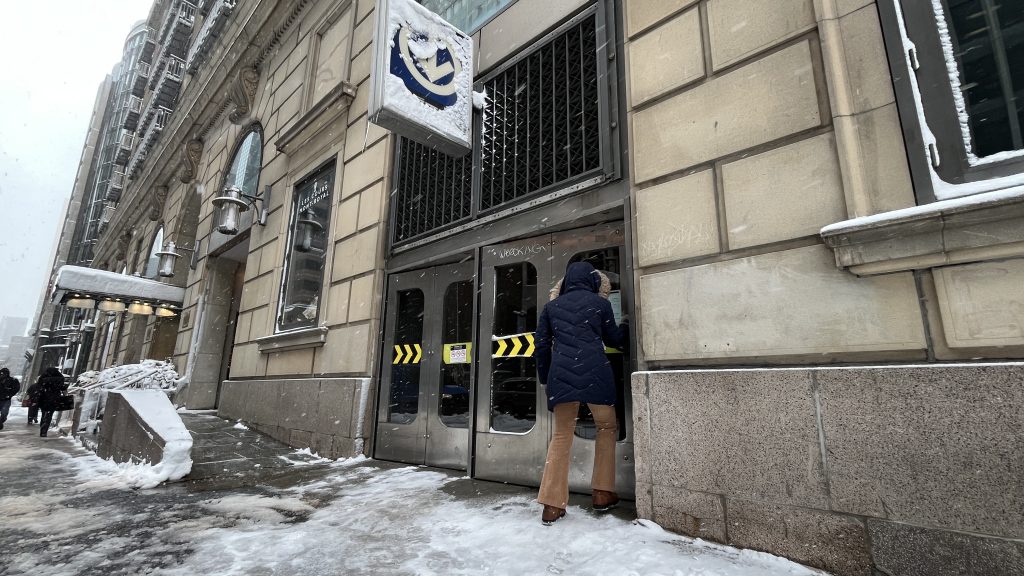
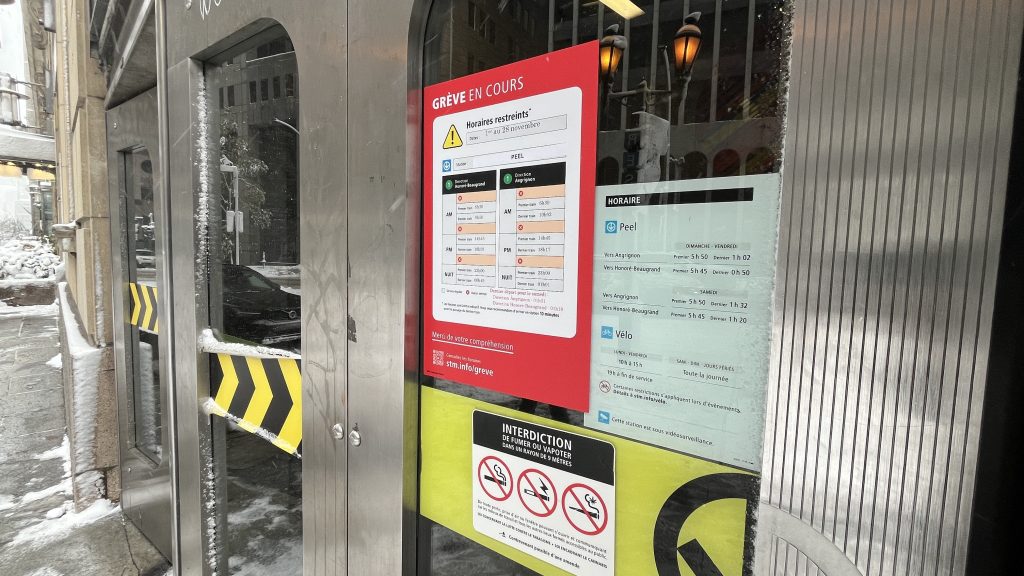
The strike is affecting regular bus and metro services, including routes serving schools, with some trips cancelled.
The metro now opens daily at 6:30 a.m., with no train service or station access before that time. Metro service is limited to:
- 6:30 a.m. – 9:30 a.m.
- 2:45 p.m. – 5:45 p.m.
- 11 p.m. until regular closing time
Stations close progressively after the last train passes each night.
Bus schedule:
- 6:15 a.m. – 9:15 a.m.
- 3 p.m. – 6 p.m.
- 11:15 p.m. – 1:15 a.m.
Paratransit services, however, are not affected and continue to operate as usual.
The agency notes that the STM website remains the most reliable source of information, as it includes scheduled timetables, adjustments based on actual conditions, and real-time data.
–With files from Zachary Cheung