Benefits of rethinking your relationship with alcohol with the 28-day challenge
Posted December 30, 2025 11:43 am.
Last Updated December 30, 2025 12:50 pm.
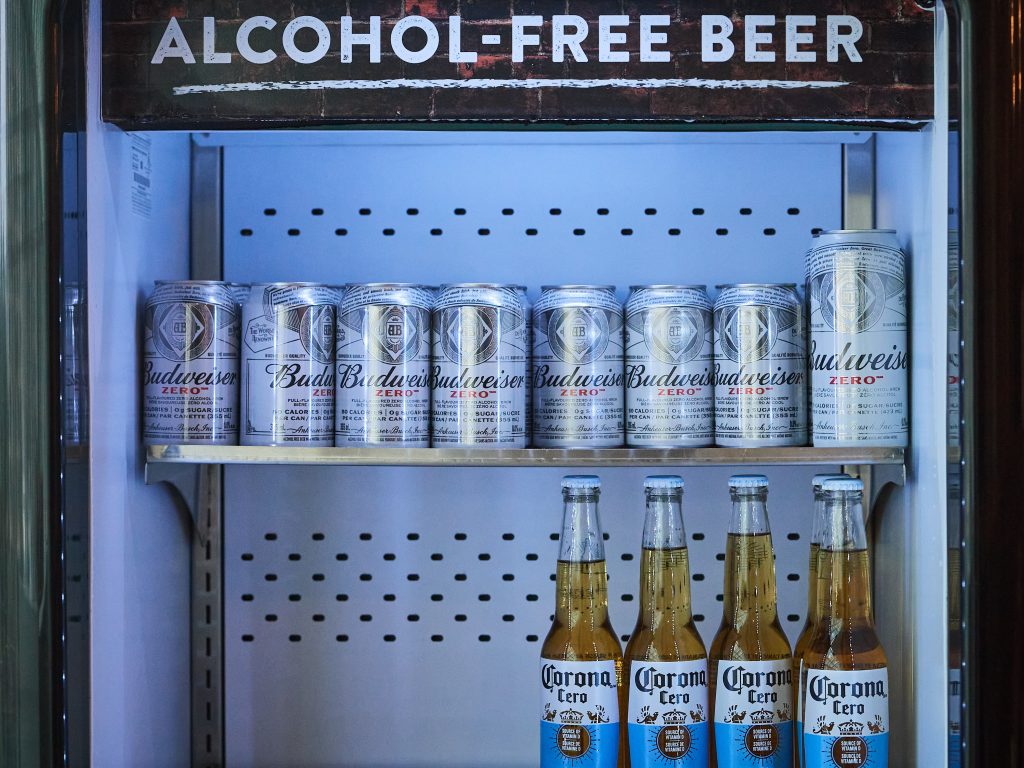
Without necessarily being alcoholics or having hit rock bottom, many Quebecers are questioning their alcohol consumption. For those who want to take a break, the Jean Lapointe Foundation invites them to register for the 28-Day Alcohol-Free Challenge, which this year takes place over two months instead of one.
For its 13 th edition, the foundation decided to target people who already do a month without alcohol in January. “There is a great habit that people have had for years. Americans or English Canadians call it ”Dry January”, explains the comedian and ambassador of the event, Jean-Marie Lapointe, son of Jean Lapointe.
“We’ve just had parties, we’ve just overindulged, we’ve gone overboard, this is the perfect opportunity to detox from all the excess we’ve consumed, and people are already doing it. In fact, that’s one of the reasons why we’re also doing a double month. Before, it was the 28 days of February, but the Jean Lapointe Foundation suggested that people do it in January as well.”
For Jean-Marie Lapointe, the challenge is an opportunity to take care of himself and reflect on his relationship with alcohol. “We know that alcohol, it’s clear, science shows it, is not good for your health,” he says, adding that he certainly doesn’t want to demonize alcohol consumption.
“My father always said, ‘I had so much fun drinking that I’m not going to slap you on the wrist and tell you to stop, it’s not good for you. […] As long as you’re having fun drinking, go ahead. But the day you’re not having fun anymore, come see us,’” recounts Jean-Marie Lapointe. For several years, he has championed the cause of fighting alcoholism and drug addiction, and he speaks openly about his parents’ alcoholism, notably in the lectures he gives.
Sales decline at the SAQ
“When you consume substances like alcohol too regularly and in large quantities, there’s definitely a price to pay, but sometimes we don’t even realize it. So when you take a break from drinking, meaning you take the time to stop for a certain number of days or weeks, that’s when you realize: ‘Oh my god, alcohol is really present in my life, more than I thought. And not drinking for two or three days, the first few days, I find it tough.’ So, it sends us a signal about our own consumption,” explains Lapointe.
He believes that people are now quite aware of the harmful effects of alcohol. “Moreover, the statistics demonstrate this,” he points out, stating that alcohol sales have decreased in Quebec. The SAQ announced in mid-December a 4 per cent drop in sales for its last fiscal year, which ended on September 13, 2025.
“I think it’s a question of a society that is evolving. […] It’s been 43 years since we opened the Maison Jean Lapointe, then the Foundation. A lot of progress has been made. I think the statistics — since we started this challenge 13 years ago — demonstrate that. People are joining the parade with us,” commented Lapointe.
Furthermore, the five ambassadors who are championing the cause this year are Maripier Morin, Meeker Guerrier, Chloée Deblois, Jean-Marie Lapointe and Danny St Pierre.
People who want to take the 28-Day Challenge can register on the website defi28jours.com. They can participate for January, February, or both. The registration fee is $28. This amount helps raise awareness about addiction among two young people through prevention programs offered in schools.
The foundation’s goal is to raise $500,000. This funding will allow them to provide services such as inpatient treatment, support their family assistance program for individuals struggling with addiction, and fund awareness and prevention programs in high schools across Quebec.
Lapointe also indicated that there are increasing exchanges with First Nations groups regarding programs. “We have this opportunity to connect with people who are remote and who live a completely different reality,” he said. A new initiative is also planned for 2026: a collaboration with Maison du Père—a resource for homeless men—to offer free therapy to this clientele.
—The Canadian Press’s health coverage is supported by a partnership with the Canadian Medical Association. The Canadian Press is solely responsible for this journalistic content.
–This report by La Presse Canadienne was translated by CityNews