Montreal’s Iranian community shaken by deadly protests in the country
Posted January 15, 2026 5:40 pm.
Members of Montreal’s Iranian community say they are devastated and fearful as violent unrest continues to spread across Iran, cutting off contact with loved ones and deepening uncertainty about the country’s future.
What began as economic protests in Iran on Dec. 28 has since escalated into a nationwide uprising.
Some reports estimate the death toll at more than 2,500 people, including one Canadian confirmed dead by Global Affairs Canada.
Other reports suggest the number could be as high as 12,000. With a government-imposed communications blackout in place, the true scale of the violence remains difficult to verify.
In a statement to CityNews, Global Affairs Canada said, “Canada strongly condemns the horrific killing of protesters in Iran. We have repeatedly called on the Iranian authorities to stop the persecution of its own population, and end repressive tactics including violence, arbitrary arrests, and intimidation.”
Mandana Javan, an engaged citizen of Iranian origin, says watching events unfold from afar has been emotionally overwhelming.
“I’m thinking about those young people, those people who are dying and falling like leaves in the streets,” Javan said.
The blackout has left many Iranians in Montreal unable to reach family members back home, unsure whether they are safe, or even alive.
“I passed my day just to cry because we are so powerless, we are so helpless,” Javan said. “We don’t know what to do.”

Iranian activist Hessam Sobhani says the lack of information has affected every aspect of daily life for those with ties to Iran.
“Most Iranian people right now don’t know anything about their families,” he said. “We cannot even do our regular work because we don’t have any concentration. We are so concerned about everyone.”
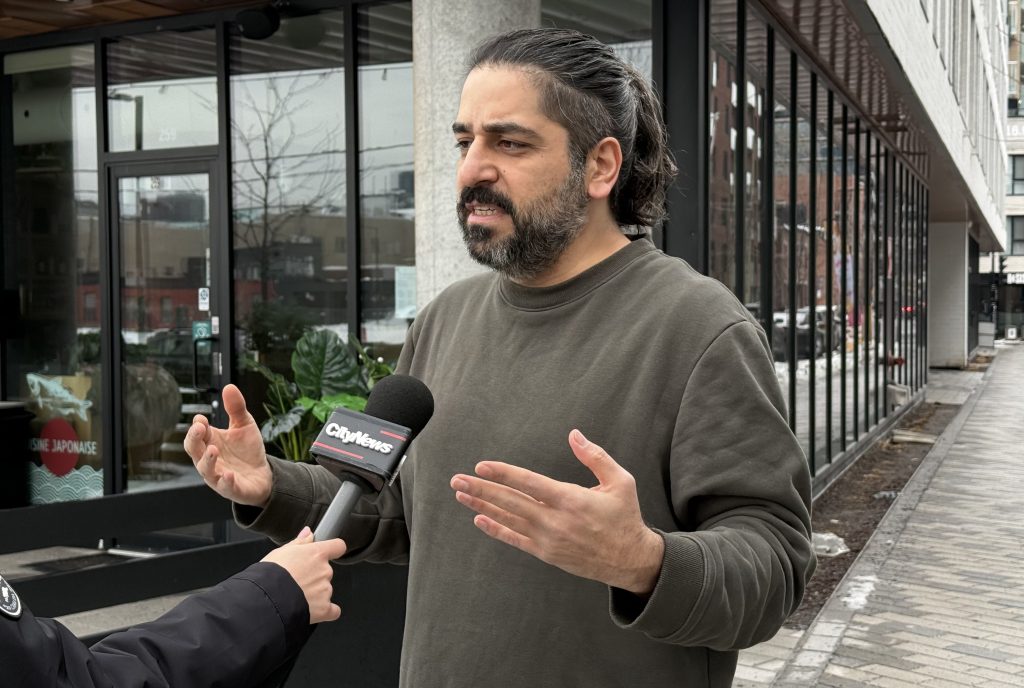
Mina Fakhravar, a board member of the Association of Iranian Women of Montreal, says she has not heard from relatives in days.
“We haven’t had any news from them since last Thursday,” she said. “The phone lines, the internet, it’s all blocked.”
When contact is made, Fakhravar says conversations are often brief and cautious, out of fear the Iranian government is monitoring calls. She pointed to an example involving a woman in Vancouver who spoke with her mother in Iran for just eight minutes before the mother was later arrested.
“We know that the phone calls have been surveilled and heard by the government,” Fakhravar said.
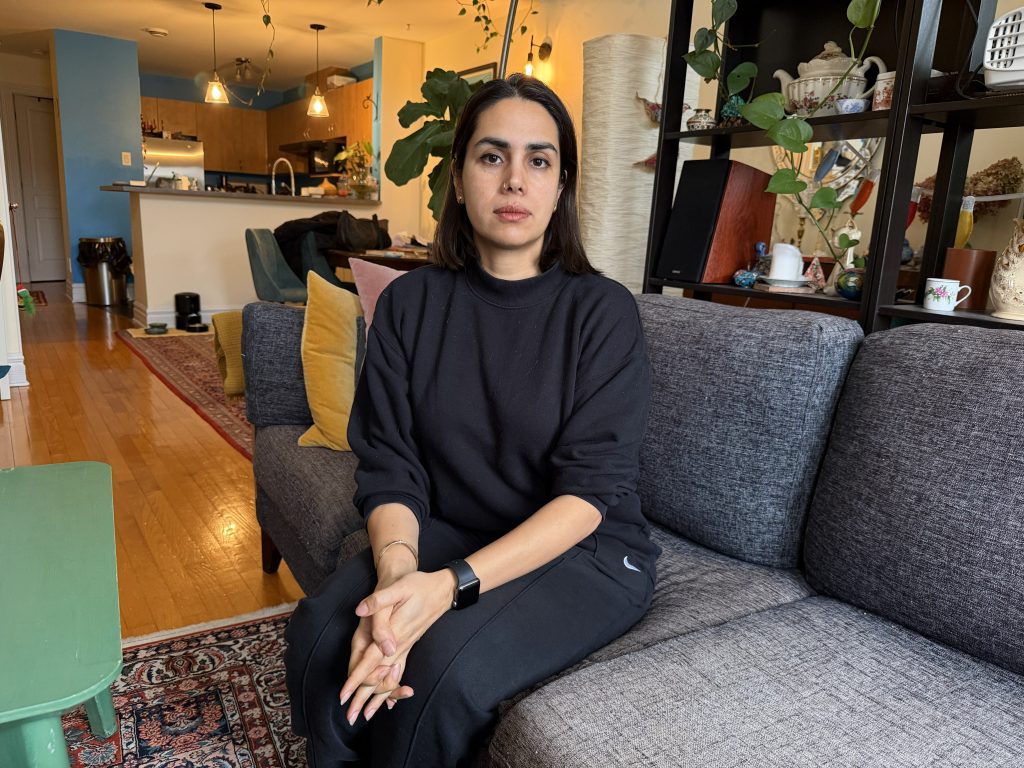
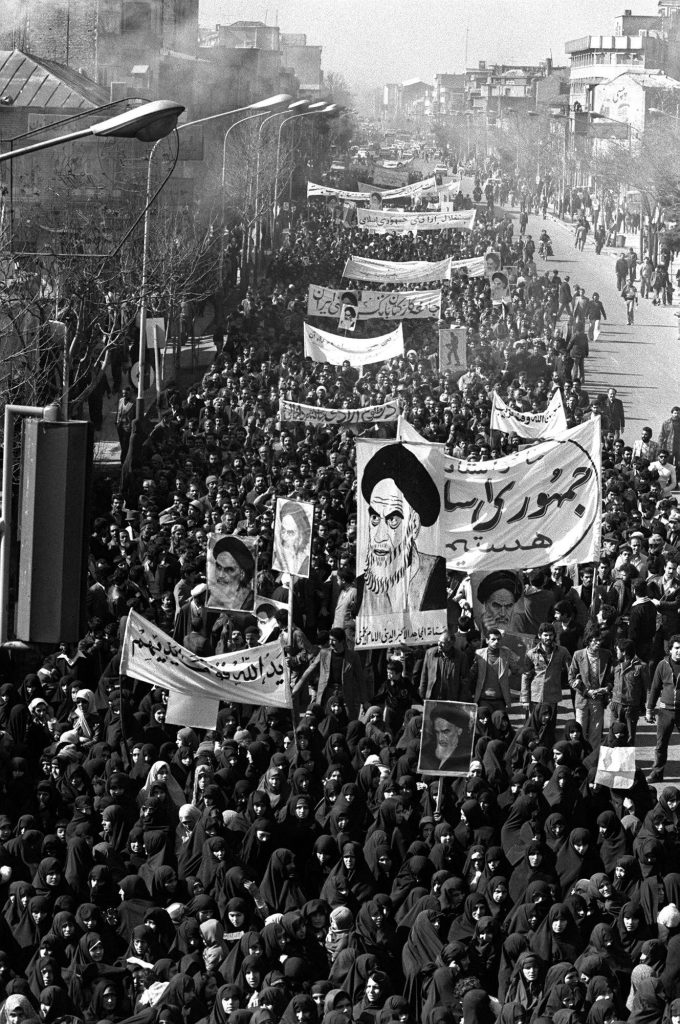
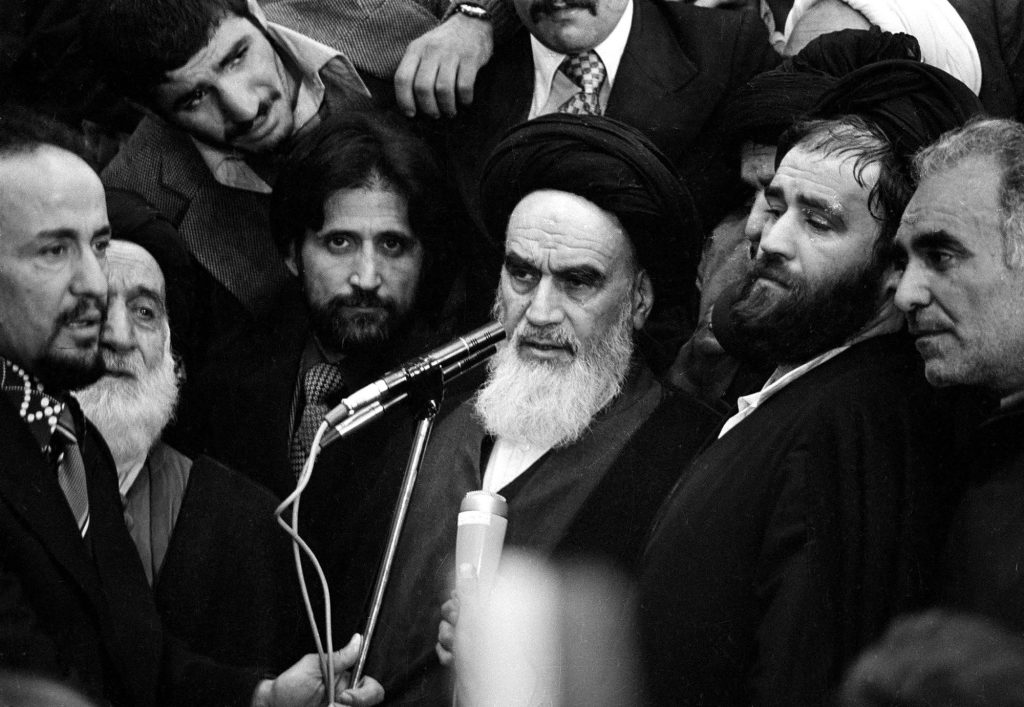
Demonstrations have now spread to all 31 provinces in Iran, with protesters calling for political change and an end to the clerical system that has governed the country since the 1979 revolution.
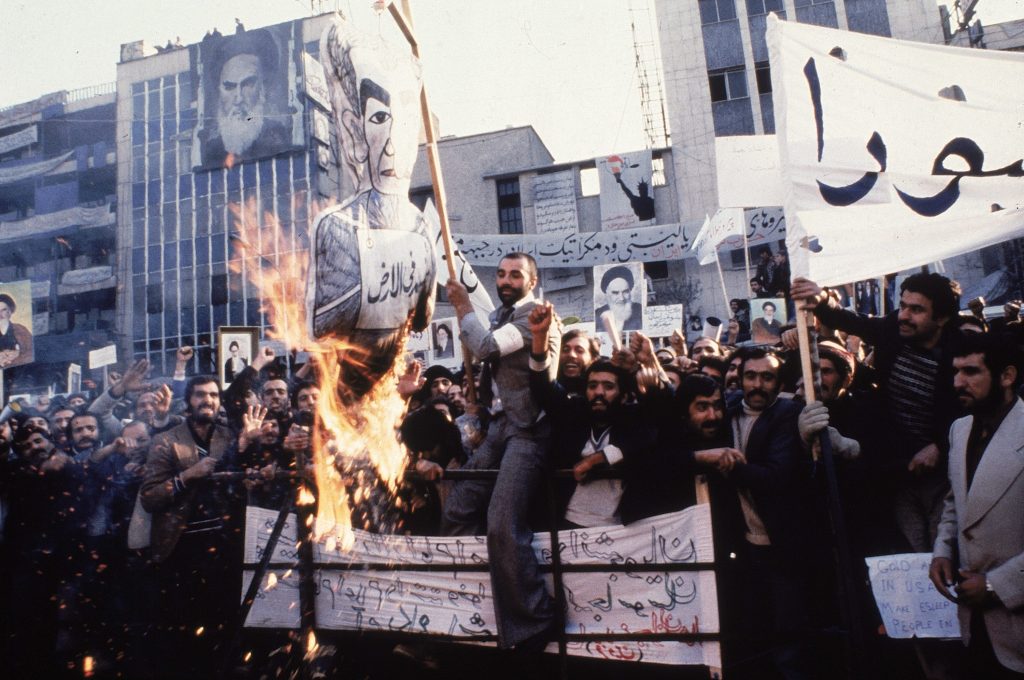
Sobhani described the situation as a conflict between ordinary citizens and those in power.
“It is not a government. It is a mafia,” he said. “A mafia against regular people.”
Despite the violence, Javan says she has been struck by the courage of those protesting.
“Even as an activist, I could never imagine this level of bravery from Iranian people,” she said.
As unrest continues, questions are emerging about what could come next for Iran. Some members of the Iranian diaspora have pointed to Reza Pahlavi, the son of Iran’s last Shah, as a possible transitional leader should the current regime fall.
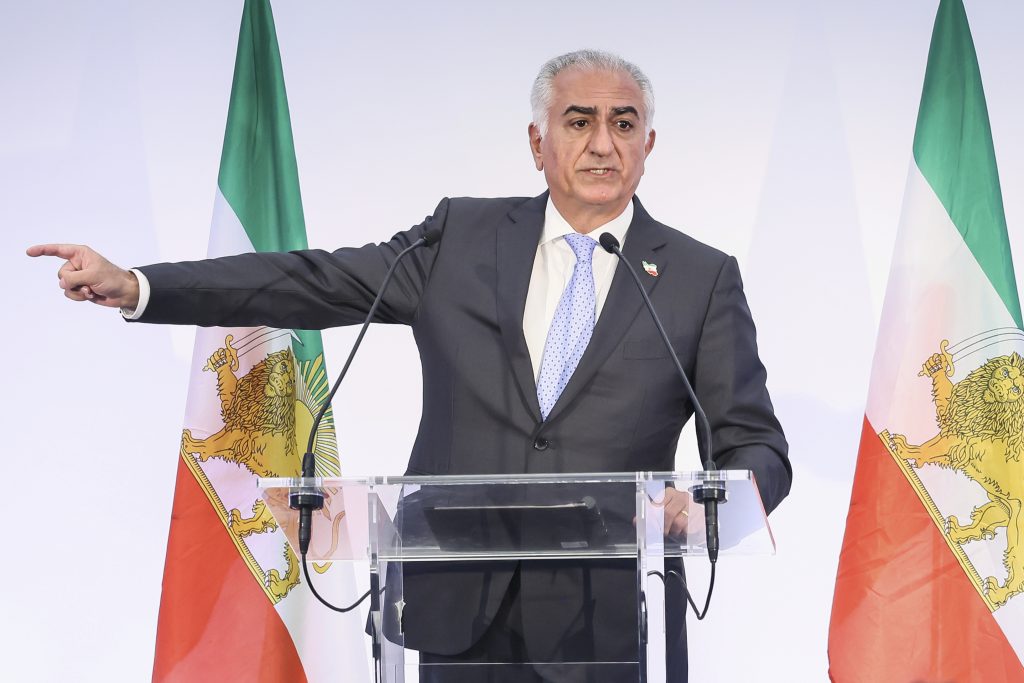
Javan says while Pahlavi has support among Iranians abroad, that view is not universally shared.
“The Iranian generation doesn’t want monarchy anymore,” she said.
Fakhravar echoed that sentiment, saying many are calling for a republic that represents Iran’s diverse population.
“We want a republic to be the voice of all of these minorities,” she said. “A royal family cannot be the solution. We don’t want to fall into the arms of another dictator.”
Iranians in Montreal say the movement is not about a single leader, but about long-standing demands for change.
“This didn’t start just on Dec. 28,” Fakhravar said. “It was from years ago, it was not Mossad or Daesh or anything else or Mr. Pahlavi who led this resistance, it belongs to the people of Iran.”