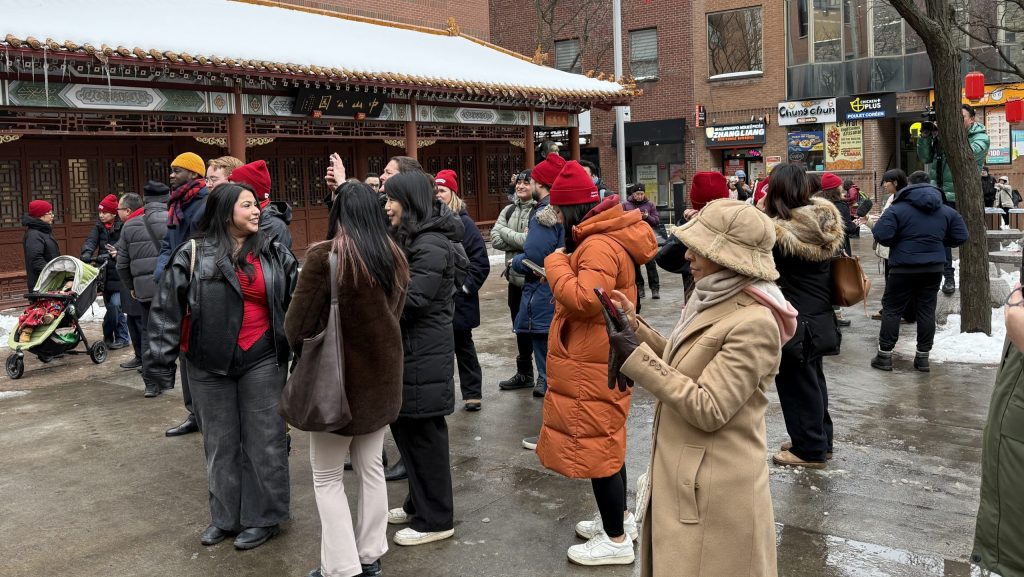
Lunar New Year ushers in Year of the Horse, new visa-free travel to China for Canadians
Posted February 17, 2026 1:13 pm.
Last Updated February 17, 2026 5:23 pm.
As of today, Lunar New Year – commonly known as Chinese New Year – is in full swing, ushering in a season centered on family reunions, tradition, and the welcoming of spring.
The holiday marks the beginning of a new year according to lunisolar calendars, standing as the most important festival in China, celebrated across East and Southeast Asia, including Korea, Vietnam, Malaysia, and Singapore.
“The fire horse happens once every 60 years, so it’s really a year of very high energy, very dynamic,” said Winston Chan, Member of the organizing committee, Lunar New Year Festival and Member of the board, National Council of Asian Canadians (NCAC). “It’s a great time to start a business, change jobs, or start new adventures.”

A celebration rooted in family and fortune
Lunar New Year signifies a time to honor ancestors, reunite with family, and secure good fortune for the year ahead. Festivities can last up to 16 days, though typically only the first seven are recognized as public holidays.
“It’s the most important festivity in our year,” said YiFang Eva Hu, President of the Lunar New Year Festival.

“Normally, we’re too busy to meet each other and now it’s time for us to have a period to gather with family and friends,” said Amber Lee, one of the participants in attendance.
In preparation for the new year, households undertake cleaning to sweep away bad luck, making room for good fortune to exist. Homes and streets are decked out in red as well, representing luck and happiness, and fireworks are launched to ward off evil spirits. Elders also gift red envelopes filled with money as a gesture of blessings and prosperity for younger generations.
The celebration kicks off with the Lunar New Year’s Eve reunion dinner – a symbolic feast that serves as the emotional and cultural heart of the holiday. Families gather around a table filled with dishes chosen for their propitious meanings. A whole fish is often consumed, symbolizing abundance, while dumplings are served, representing wealth and prosperity.
On New Year’s Day, family, relatives, and friends visit one another, with presents in hand to share. While indulging in Lunar New Year treats, they socialize and catch up. Visitations expand over several days, with temple visits usually occurring on day three.
“It’s a great way for Montrealers to get to know more about the Asian cultures,” said Chan. He explained that more people nowadays want to be more involved in the Asian culture and adopt Chinese habits.
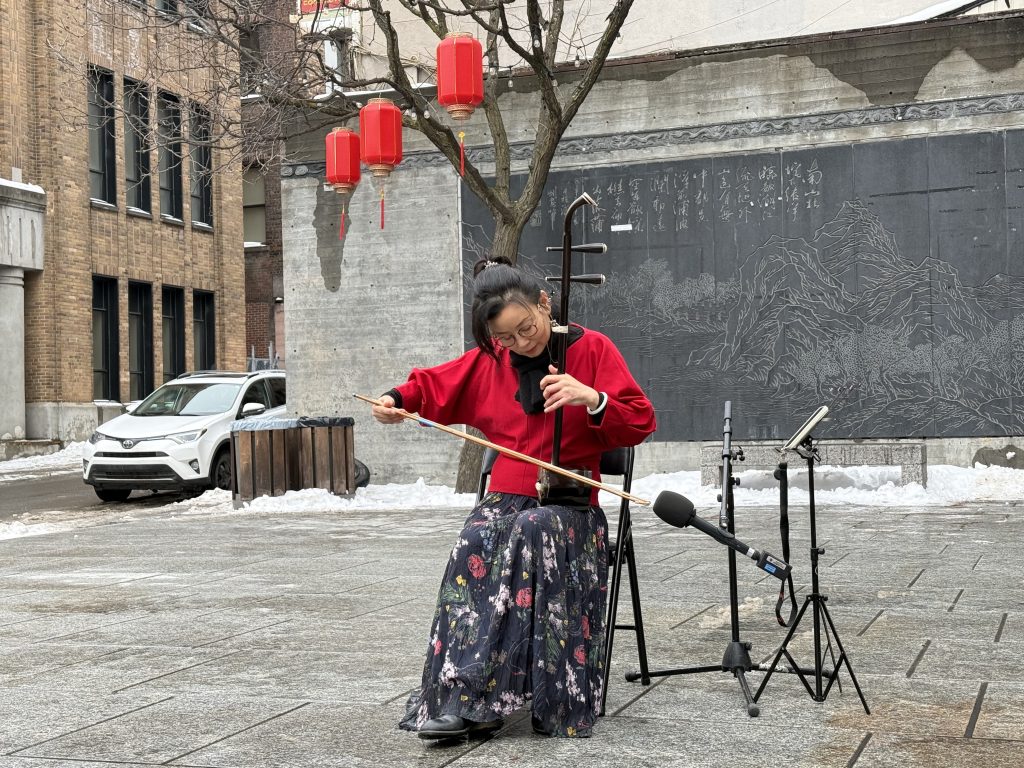
From the Snake to the Horse: Welcoming 2026
Lunar New Year also marks the transition between zodiac signs, its cycle playing a significant cultural role in many communities that observe the lunisolar calendar. In the Chinese zodiac, 2026 is the year of the Horse, following 2025, the year of the Snake.
The Chinese zodiac calendar is made up of a 12-year cycle, representing 12 animals: Rat, Ox, Tiger, Rabbit, Dragon, Snake, Horse, Goat, Monkey, Rooster, Dog, and Pig. Your personal zodiac animal is determined by your birth year, meaning this year will welcome an abundance of baby Horses into the world.
It is important to recognize that different regions across Asia celebrate Lunar New Year in diverse ways and may follow alternative zodiac traditions.
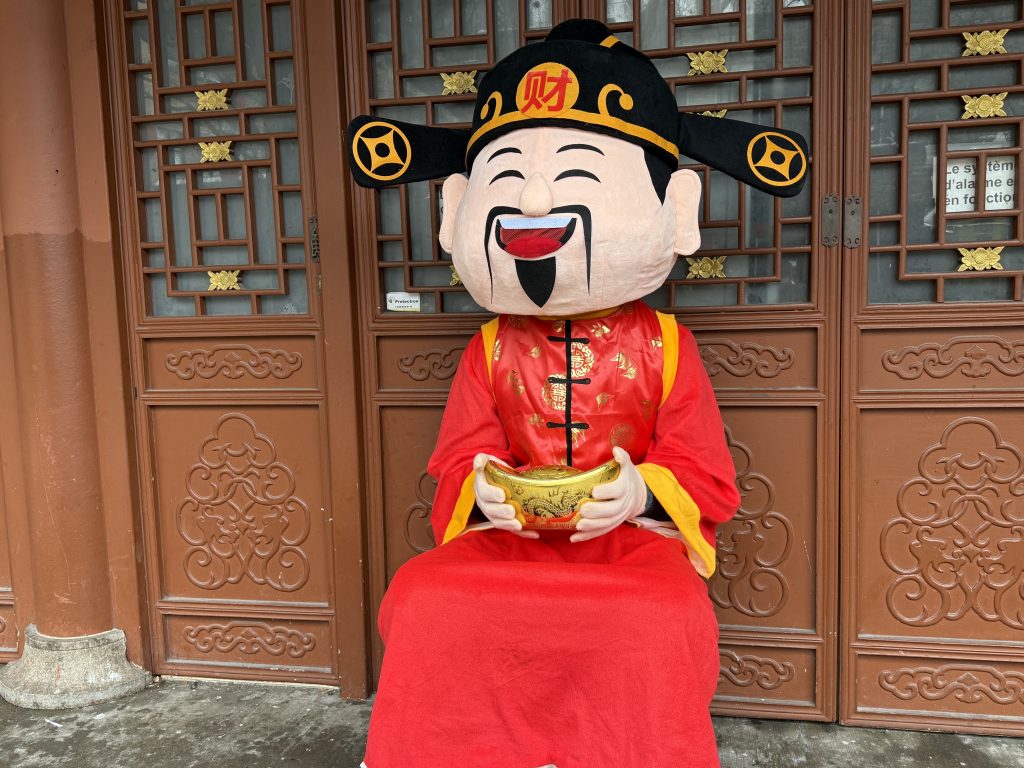
The Lantern Festival: A tradition spanning 2000 years
On the 15th and final day of celebrations, Lunar New Year concludes with the Lantern Festival, a 2000 year-old tradition, set to take place on March 3, 2026. Given its long standing presence, the festival has developed different meanings over time. It celebrates family unity and society, featuring ancient spiritual traditions. Some also refer to it as the “true” Chinese Valentine’s day.
Lantern Festival traditions include moon gazing, lighting colorful lanterns, solving riddles, lion dances, and eating tangyuan – a sweet and glutinous rice ball symbolizing tenderness. Children often carry lanterns around their neighborhoods at night, bringing festivities to a joyful close.
New visa-free travel policy takes effect
Coinciding with the first day of Lunar New Year, China has implemented a new visa-free policy that affects Canadian citizens. As of today, Canadians holding ordinary passports can enter China without a visa for stays up to 30 days for tourism, business, or family visits. The policy will remain in effect until December 31, 2026.
“Today is a great way to celebrate on the better, warmer relations between Canada and China,” said Chan. He went on to explain how helpful this will be for businesses and the ability to exchange between corporations and organizations on both sides more easily.
“I’ve had the chance to go to China twice within the last three years. I can tell you one thing – the visa application is very complicated,” said Steven Guilbeault, Member of Parliament. “So the fact that they’re lifting visa applications for Canadians is a very important thing.”

“It will allow culture to be more accepting,” said Eva Hu. “Knowing more about the Chinese culture, not just though social media, but seeing it for yourself.”
Travelers planning to work, undertake long-term assignments, pursue study, or stay longer than 30 days must still apply for the appropriate visa before traveling.
Entry requirements also remain in place, even under the visa-free agreement. Travelers must ensure their passport is valid for at least 6 months beyond the date of arrival, have two blank pages for visa stamps available, and disclose if entering from a third-party country.
Canada is among more than 75 countries included in the expanded visa-free program, which also covers the U.K. and most of Europe.
Lunar New Year festivities
Lunar New Year festivities will continue this weekend in Montreal’s Chinatown with performances and activities for all, taking place on both Saturday and Sunday.