‘The best for the best’: Résilience Montréal opens new Indigenous-led wellness centre on Atwater Avenue
Posted June 17, 2026 8:58 am.
Last Updated June 17, 2026 3:23 pm.
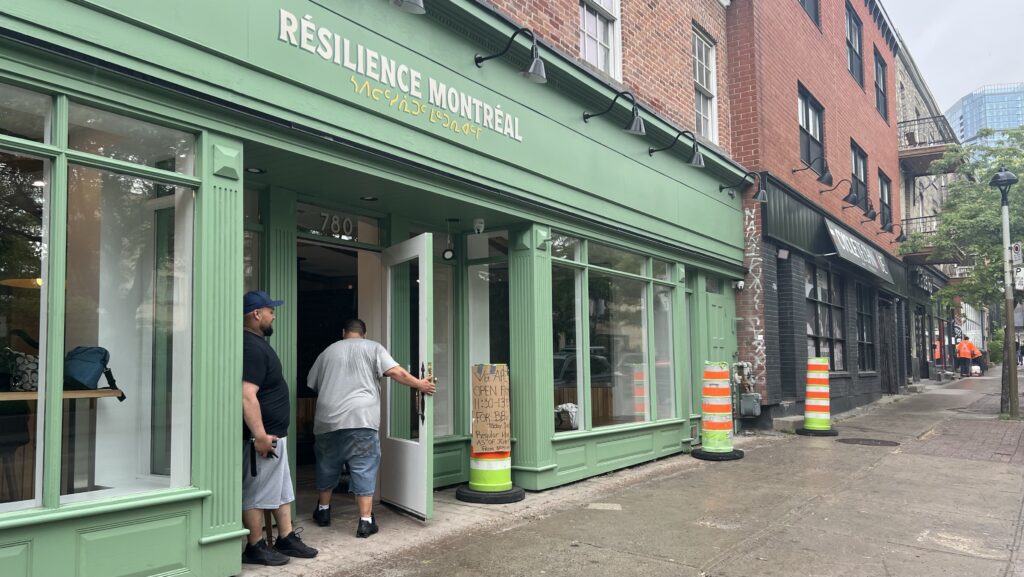
Résilience Montréal is opening a new Indigenous-led wellness centre, marking a major milestone in the organization’s mission to support vulnerable and unhoused community members.
The new three-storey facility at 780 Atwater Avenue officially opens Wednesday after more than six years of operating out of a temporary location near Cabot Square.
The purpose-built centre includes dedicated spaces where community members can access health, legal, financial and other support services in a private setting.
“Instead of a basement with a granola bar, this is more like a Mount Tremblant thermal spa,” says David Chapman, Résilience Montréal’s executive director and co-founder.
The centre is designed to help people transition from homelessness to employment and stability, offering several pre-employment and workforce development programs like laundry worker training, janitorial training, street cleaning teams and cook training programs.
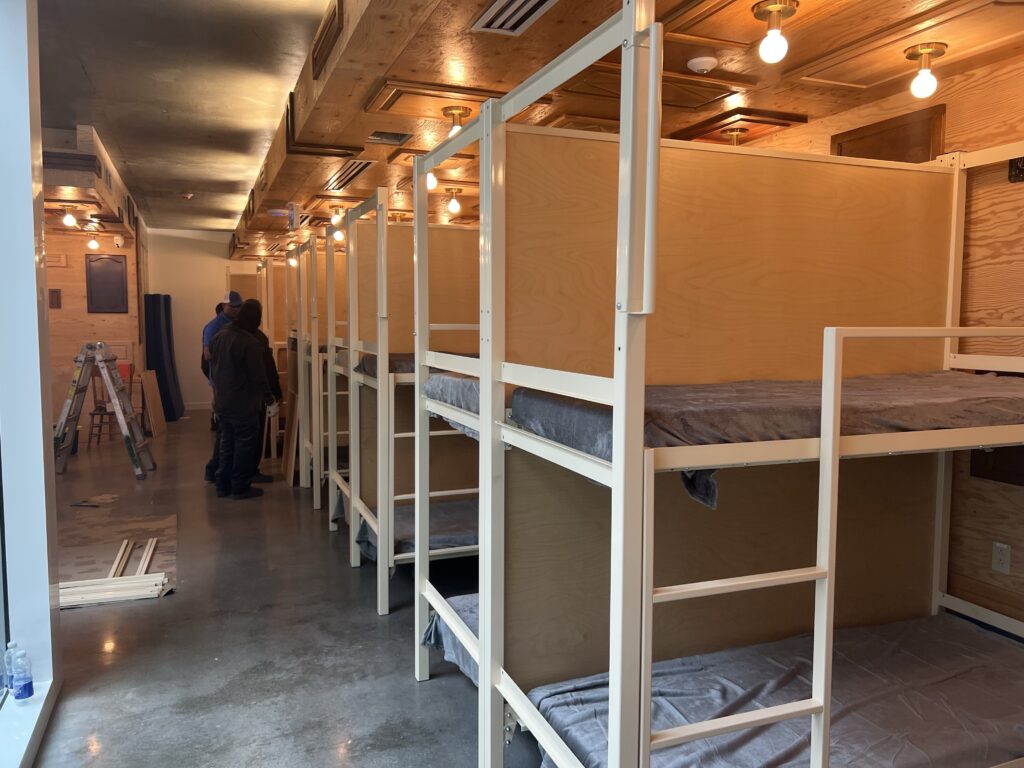
Résilience Montréal’s goal is to have unhoused people gain, within two years, a job, skills, and a renewed sense of purpose.
The organization says the new building was developed in consultation with First Nations and Inuit communities, unhoused individuals and area residents. Its design incorporates Indigenous cultural elements, natural materials and increased access to natural light to create a welcoming and healing environment.
“Indigenous people, we’re used to having nothing,” says Résilience Montréal’s director of development philanthropy Na’kuset. “It’s like society tells you, ‘Well, that’s all you’re worth, so that’s what you’re getting. You’re not getting anything special.’ This is the complete contrast of that. It’s getting their input and walking in.”
The top floor of the facility will house a range of health and support services, including a CLSC health clinic, psychiatrist, family doctor, social workers, nurse, and addiction medicine physician. Additional services include a sexual assault investigation room, AA meetings and support groups, and conference and community meeting spaces.
“It’s the best for the best,” Chapman says.
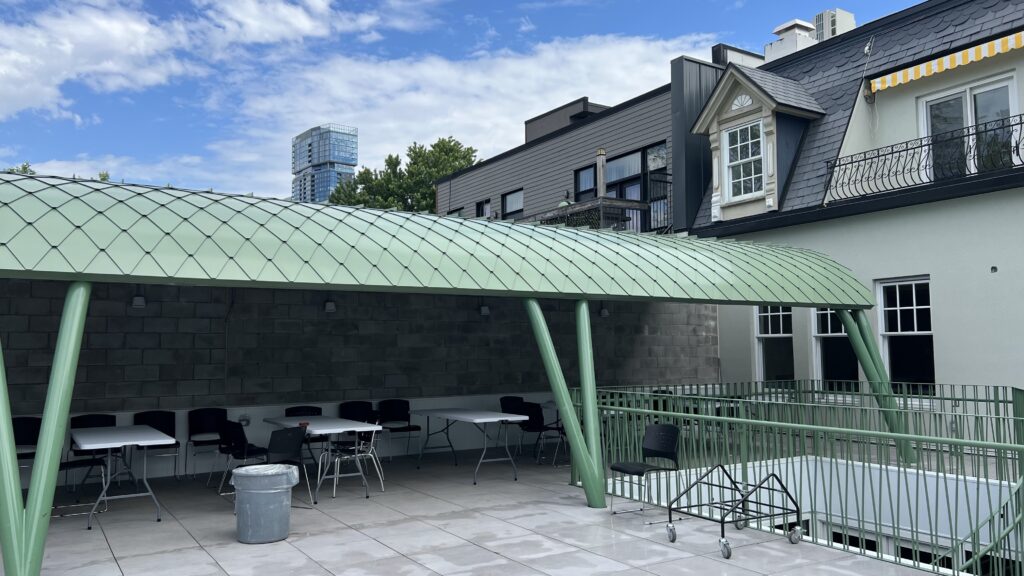

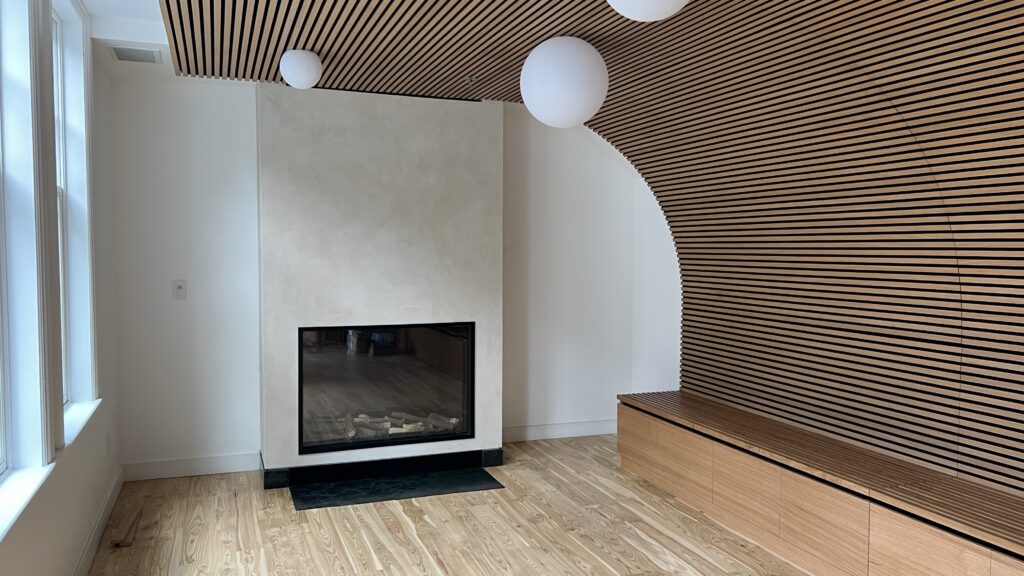
The building includes soundproof “screaming rooms” where individuals can safely express emotions and process trauma with an intervention worker, and work through difficult experiences without disrupting the rest of the facility. Claire Davenport, an architect whose firm worked on the project, described this as part of the centre’s cultural safety and trauma-informed approach.
“One thing you don’t necessarily see as soon as you walk in, we were thinking of them as Zen rooms or calming rooms, but they’re tucked behind the green wall so that if someone comes in in a crisis, there is a place for them to go and meet with someone very quickly, very quietly in private.”
The laundry room was also described as a key feature of the centre. Chapman says many unhoused individuals may wear the same clothing for a month or longer before discarding it because they lack access to laundry facilities. The service is intended to restore dignity by allowing people to wash and maintain their clothing. Clients will be able to drop off clothing in a bag labelled with their name and have it cleaned the same day. The laundry room also serves as a training space for future laundry workers.
According to Chapman, one of the reasons Résilience Montréal moved out of Cabot Square is due to tensions with the City of Westmount.
“Westmount made it very clear that they will not have a permanent homeless resource in their borders, which is quite sad because it means that the surrounding neighborhoods then need to do twice as much,” said Chapman.
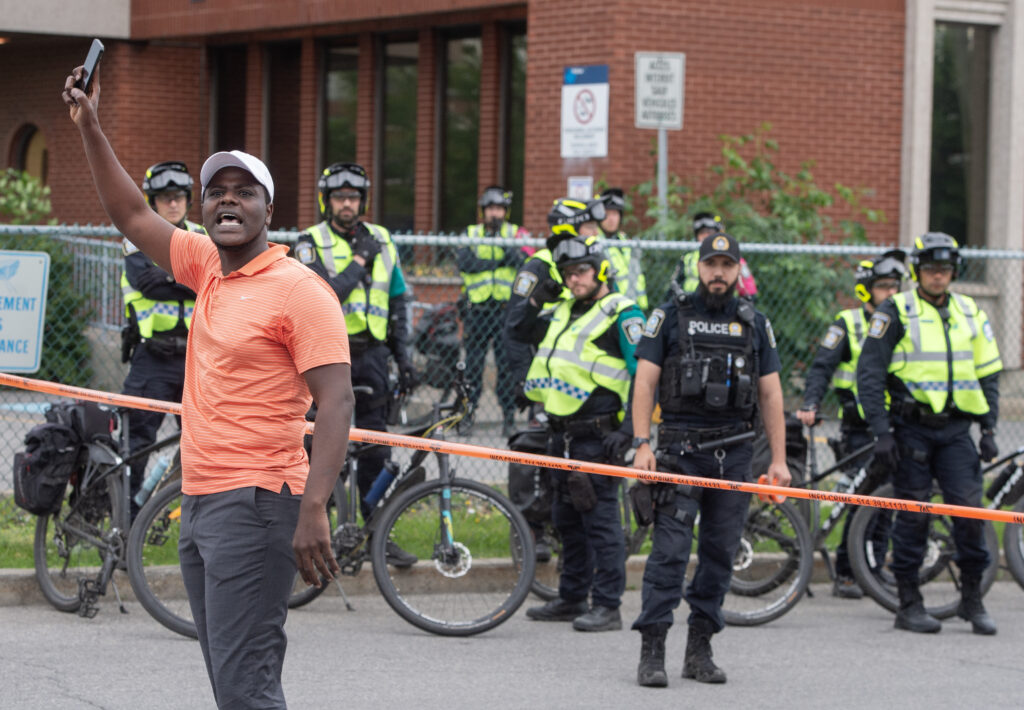
The centre was not immediately welcomed by everyone in the neighbourhood, with some citizens and local businesses concerned about the impact a larger homelessness resource could have on the area.
Chapman says the centre was designed with neighbours in mind, with the organization creating a hotline for residents and businesses to call if they encounter any issues. Chapman also adds that the centre is not intended to operate as a 24-hour resource and that measures have been put in place to limit noise and disruptions for nearby residents, such as the addition of sound-isolating walls on the exterior terrace. But with the facility located just 500 metres from the Benoît Labre safe consumption site, some feel it’s too much concentrated in one area.
Mira Abedi, a nail tech working at Studio Zen located right besides Résilience Montréal, says she is concerned the new wellness centre will make the area less safe for her and her colleagues.
“I don’t think it’s a good addition to the area, considering there’s also a safe house down the street,” said Abedi. “They’re taking over the area.”
Others, like neighbourhood resident Nancy Smith, say they’re pleased to see the project open because the community needed this resource.
The organization says the new facility will allow it to expand services and better meet the needs of the community it serves. The services are open to everyone; 25-40 per cent of those served are expected to be Inuit.
A public grand opening celebration is scheduled for Wednesday evening and will include Indigenous cultural performances and community speakers.
Founded in 2019, Résilience Montréal was created to address a gap in services for Indigenous people experiencing homelessness and insecurity in the area.