What the fluff? Montreal’s ‘summer snow’ explained, and no, it’s not pollen
Posted June 18, 2026 9:31 pm.
Last Updated June 18, 2026 10:52 pm.
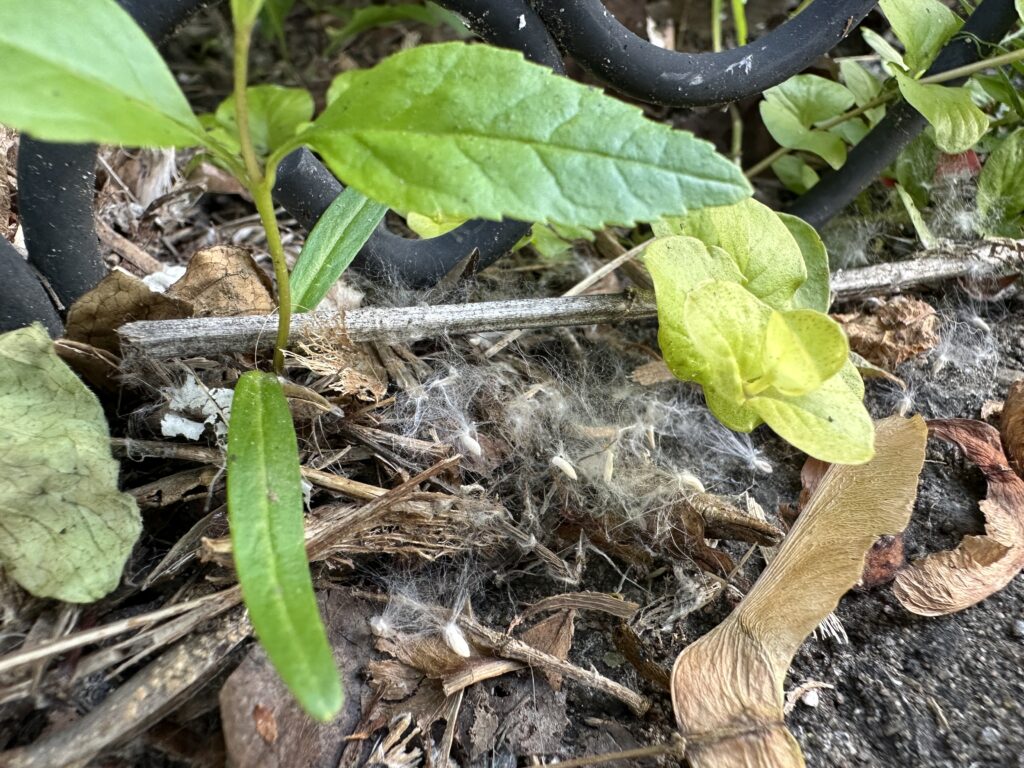
Many may have seen white fluff floating in the air or even piled up on the ground over the last week or so across Montreal, but what exactly is it? Well, experts say, despite what many assume, it’s not pollen at all.
“It’s seeds actually,” explained Dr. Alain Paquette, biology professor at UQAM. “So it’s not pollen.”
Simply put, when the male flower of a poplar tree pollinates the female flower, it produces seeds wrapped in fluffy white fibers –the “summer snow” many Montrealers have seen in the air.
“There’s a small baby tree in there ready to germinate and produce a very large tree,” said Paquette. “It’s actually one of the largest trees in North America.”
The white stuff comes from female poplar trees, which is then carried away by the wind.
These seeds are harmless and not an allergen, Paquette explained.
As for pollen, he added that it is microscopic; and because of this, it can get into one’s lungs, provoking allergic reactions like asthma.
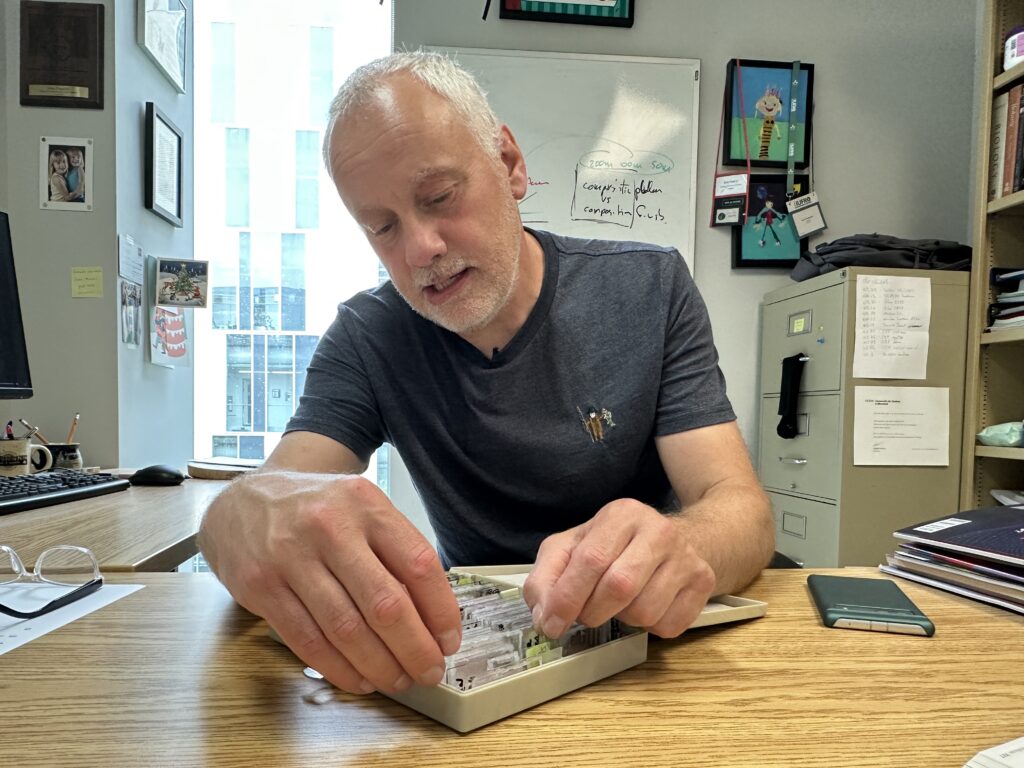
Aerobiology Research Laboratories, based in Ottawa, provides aeroallergen levels across Canada, and said that pollen levels in Montreal are higher than usual but “not apocalyptic.” That it’s starting to tail off now.
“When you know (pollen) is in the air, you can take precautions to minimize its effects on your health,” said Daniel Coates, Director of Aerobiology Research Laboratories. “Like wear sunglasses when you’re outside because it helps keep it out of your eyes.”
“If you’re gardening, wear a mask that really helps keep it out of your air passages,” he added. “Don’t let pets into your bed because they carry pollen, a lot of it.”
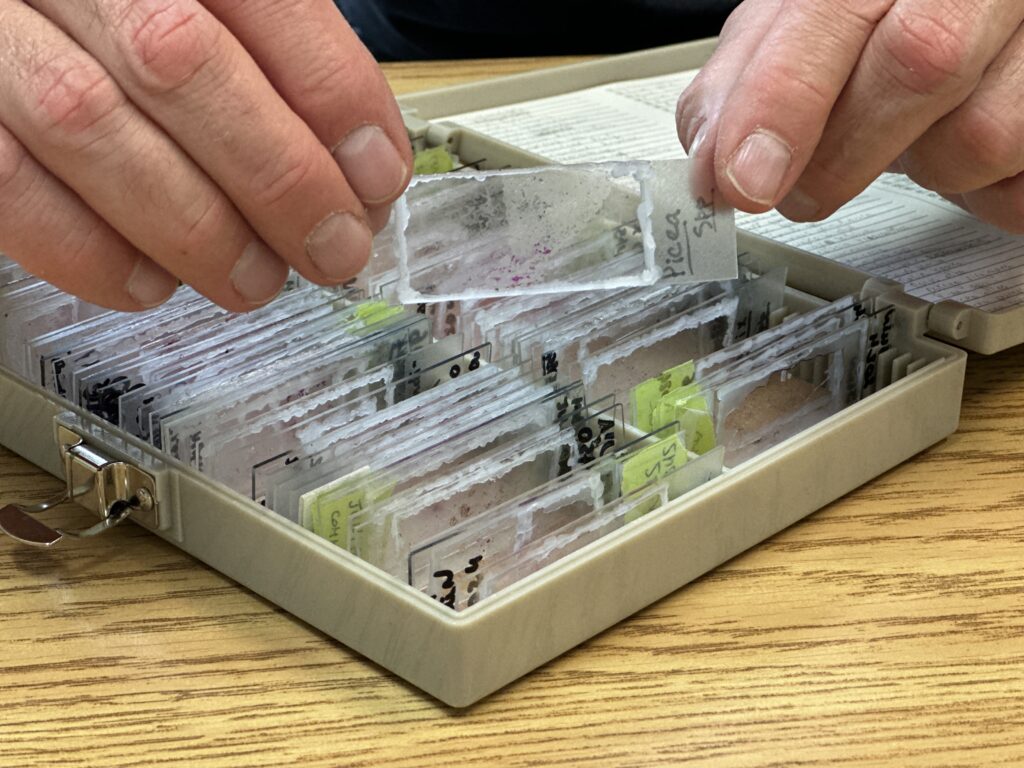
From oak pollen to birch and pine, it is the late start to the season that caused a higher concentration of pollen in the air. Having different types blending together in a shorter period.
As for the seeds that one could actually see floating around –- well, they’ve got big plans.
“They traveled far with the wind, and now the rest of them are settled in the ground or underground by the water,” said Paquette. “And pretty soon they’ll germinate and produce more trees.”