Canadian-first fertility-preserving cancer surgery performed at Montreal hospital
Posted June 18, 2026 12:13 pm.
Last Updated June 18, 2026 5:53 pm.
The McGill University Health Centre (MUHC) says it has performed a uterine transposition procedure for the first time in Canada, offering a fertility-preservation option for women undergoing pelvic radiation therapy.
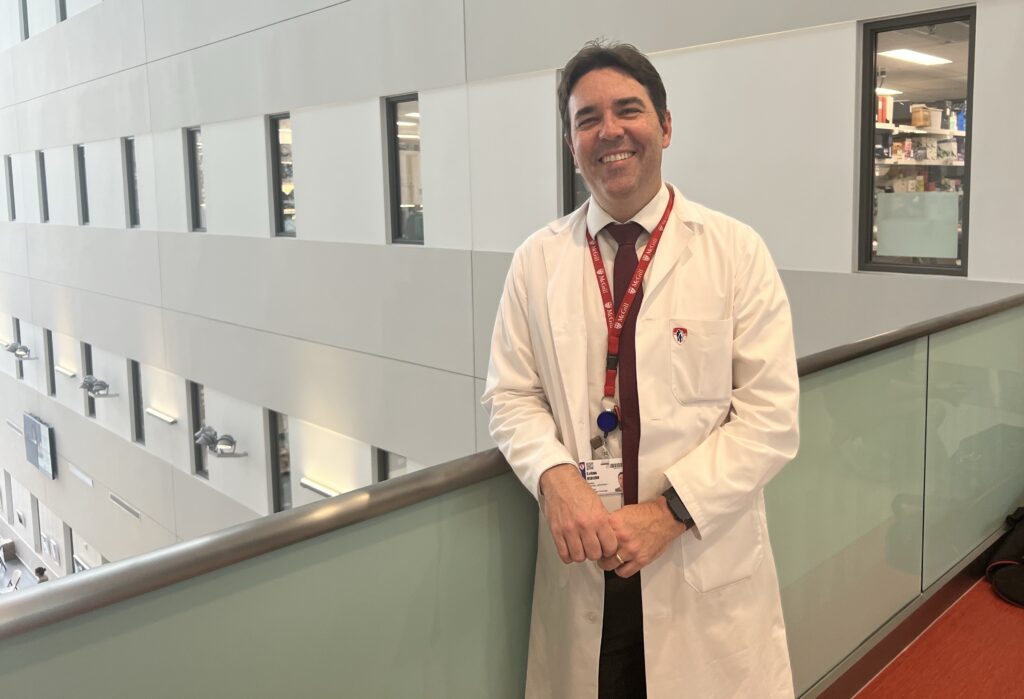
The procedure, developed and performed by gynecologic oncologist Dr. Reitan Ribeiro, involves temporarily moving the uterus, ovaries and fallopian tubes from the pelvis to the upper abdomen during an initial surgery to protect them from the radiation field during treatment.
The MUHC says the technique offers hope to patients with colorectal and other pelvic cancers who wish to preserve their ability to conceive and carry a pregnancy after remission, while also reducing the risk of early menopause.
Dr. Ribeiro said the procedure addresses a long-standing gap in fertility options for patients requiring pelvic radiation.
“A uterine transposition is a procedure to preserve the uterine function and ovaries function because radiation causes a volume failure and also causes some damage to the uterus. So we take the uterus from the pelvis, we place the uterus in the upper abdomen, they can go through radiation, and once they finish radiation, we replace the uterus back to its natural position.”
He said traditional options have often been limited.
“Before, we didn’t have good options for the patients to carry their own pregnancy. We had the option of using IVF, but usually those patients would need a surrogacy, so they would need someone to carry the pregnancy for them. But now, they can have their own pregnancy, and sometimes they don’t even need IVF, so they can spontaneously get pregnant.”
Once radiation is complete, the reproductive organs are returned to their original position in a second procedure. The MUHC says the surgery is minimally invasive, allowing for rapid recovery without delaying cancer treatment.
First Canadian patient undergoes procedure
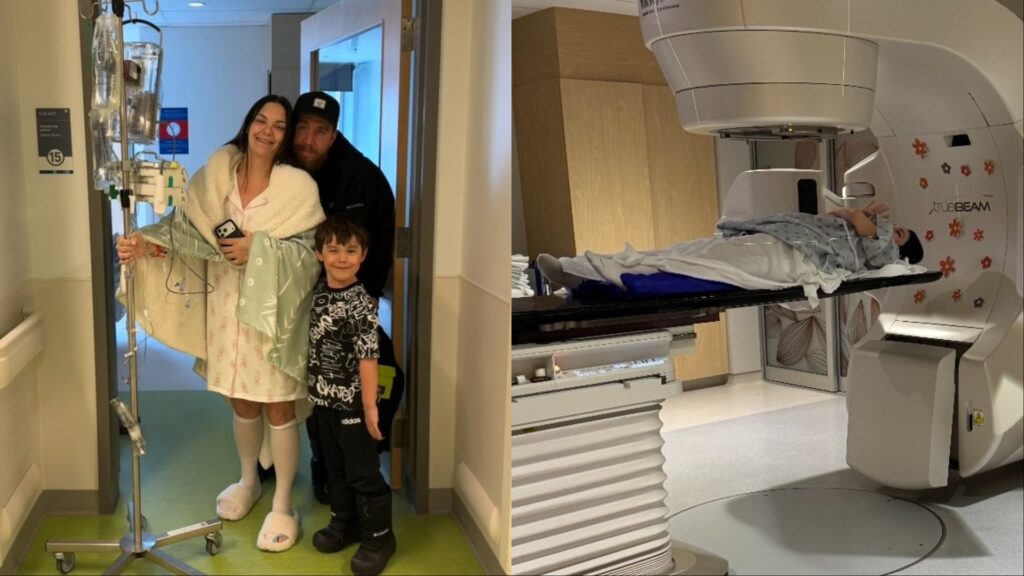
Britany Fecteau was 28 when she underwent treatment at the MUHC for Hodgkin’s lymphoma in the groin, becoming the first patient in Canada to undergo the procedure.
Now 29, Fecteau said the diagnosis was devastating for her and her family.
“It was definitely very difficult because it’s also very hard for our loved ones. I found it hard to learn about it. I went through it, but so did my son. I’m a mother, I have a little boy who is six years old, and I really wanted him to see his mother being strong, to see how important it is to fight for what you believe in and to stay strong through the trials that life makes us overcome,” she said.
She said learning that treatment could affect her fertility and trigger early menopause was another difficult moment.
“It was definitely a huge shock. At first, I thought I wouldn’t be able to have children anymore. Being able to create life is a huge deal for a woman, it’s so beautiful,” she said. “Even if I want to, or maybe I won’t have any, or maybe I’ll have more children, just knowing that I can is wonderful. And then there’s menopause, that was a big part of it too. You don’t want to go through menopause earlier than expected. In any case, that’s definitely not what I wanted.”
Her first surgery took place on Feb. 26, 2026. The second was performed on April 29, 2026, one month after she completed radiation therapy.
“This surgery allowed me to preserve my ovaries and uterus before radiation therapy, and that means the world to me. As a young mother, knowing that this option exists gave me hope and helped me get through the treatments with a little more peace of mind,” Fecteau said.
Fecteau said she ultimately chose to share her story because she struggled to find similar experiences when she was first diagnosed.
“Dr. Ribeiro arrived here in Canada like a savior; at least, I see him as a hero, and he really changed my life. It would have completely turned all my future plans upside down, that’s for sure, and I will be eternally grateful. And if it can help other women, help them have children, even if it’s not the same cancer, he’s involved in radiation therapy.”
“I hope my story can help raise awareness of this option for other women facing a similar situation.”

Guided through treatment
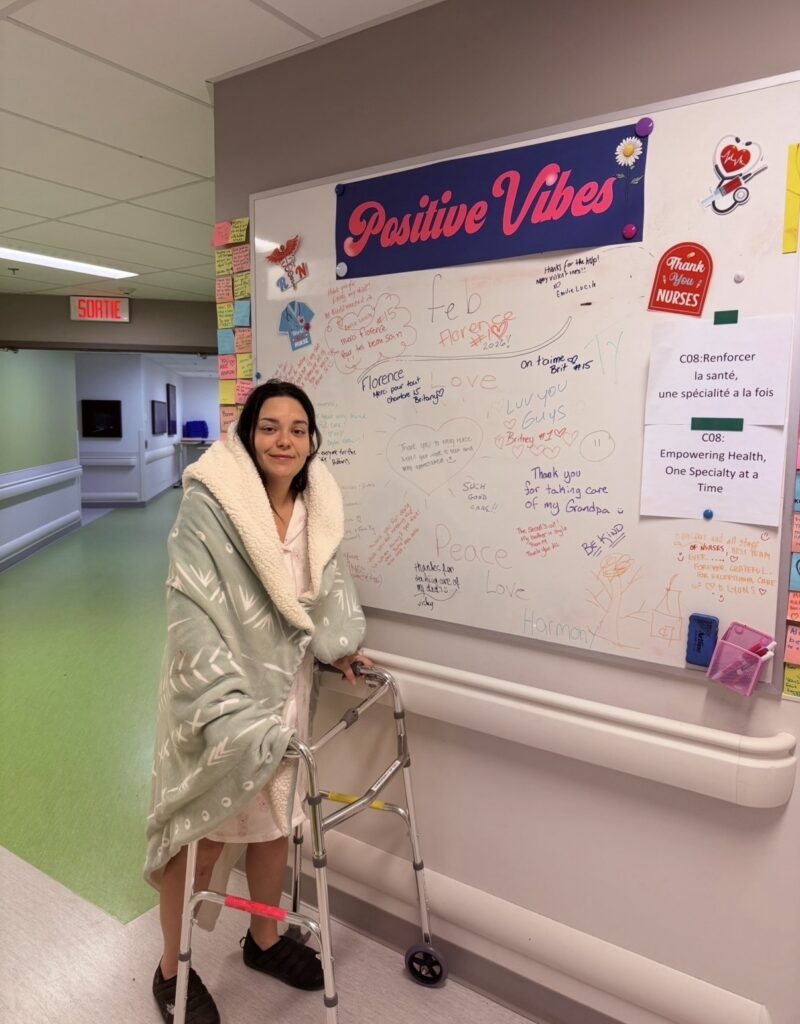
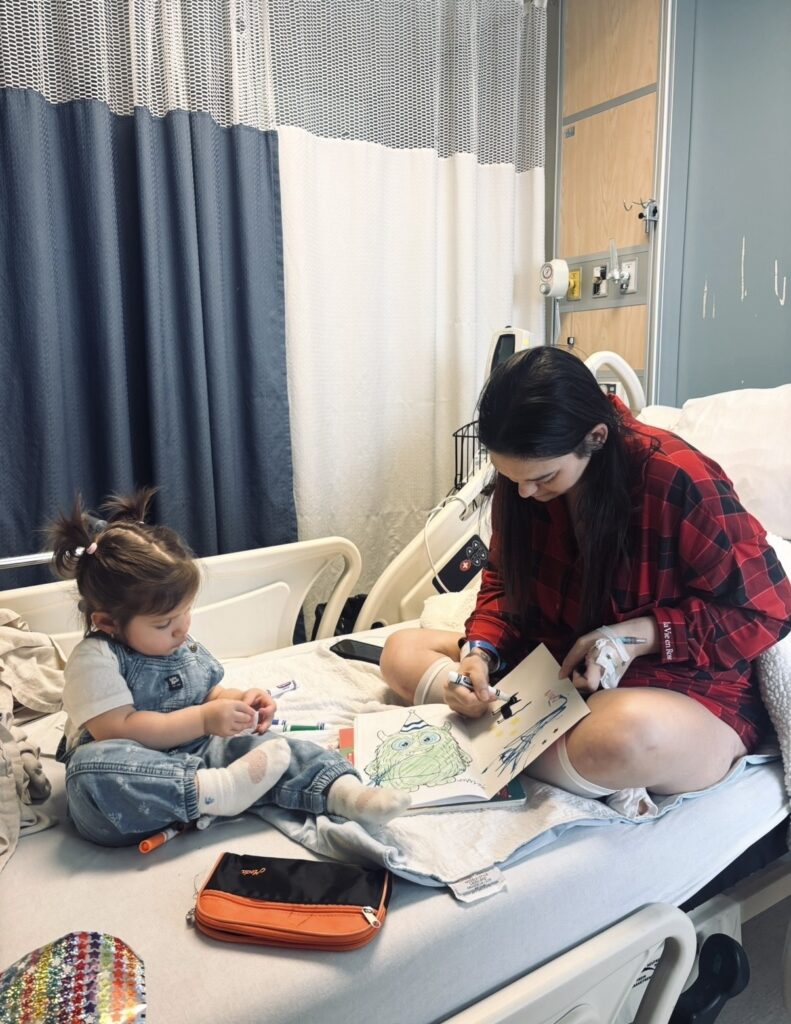
Fecteau said she learned about the procedure through her medical team and was closely supported throughout her care.
She said Dr. Ribeiro took time to explain each step clearly and ensured she fully understood the process.
“He really guided me. He sent messages, showed me videos, explained everything, and even made drawings too,” she said. “He made it as clear as possible for me.”
Dr. Ribeiro said patients must be supported early in their diagnosis, when the emotional impact can make it difficult to think beyond cancer treatment.
“It’s very important to discuss with the patients, because sometimes when they have the diagnosis of cancer, they can’t think much… but the truth is once the cancer treatment ends, the patients go back to their normal lives.”
He said fertility loss can have long-term consequences beyond cancer itself.
“Even if you cure their cancer, losing fertility might become their main problem after cancer treatment. For many women and men, this becomes a serious scar on their lives, and sometimes they lose purpose. And then you have another issue, which is not the cancer, it’s the scars from the cancer treatment.”
Radiation’s impact on fertility
Radiation therapy is commonly used to treat cancers including colorectal and gynecological cancers. However, the MUHC says radiation can cause irreversible damage to reproductive organs, reducing ovarian reserve and causing uterine atrophy that can lead to loss of reproductive capacity.
The health centre also says radiation can disrupt estrogen production by the ovaries, triggering early menopause.
Dr. Ribeiro said protecting both ovarian and uterine function is essential.
“Beyond the loss of fertility, damage to the ovaries has significant repercussions on women’s physical and psychological health. Early menopause increases the risk of cardiovascular disease and osteoporosis, in addition to causing symptoms such as hot flashes, fatigue and mood swings.”
“By preserving ovarian as well as uterine function, this procedure eliminates the risk of premature menopause.”
The MUHC says the main fertility-preservation option before cancer treatment involves ovarian stimulation followed by egg retrieval and freezing. However, it notes this can delay treatment, depends on assisted reproductive technology and is limited by the number of eggs retrieved.
Dr. Ribeiro said that limitation leads some patients to decline the option.
“Many patients, when you offer IVF, when you explain to them that they might need another woman, that they won’t be able to carry the pregnancy, they just give up. We are offering a chance for them to get pregnant spontaneously and to carry their own pregnancy, so they don’t need a surrogacy.”
The hospital also notes that when the uterus is damaged by radiation, patients lose the ability to carry a pregnancy.
Technique developed in Brazil
Dr. Ribeiro developed the uterine transposition technique in 2017 while working at Erasto Gaertner Hospital in Brazil.
According to the MUHC, more than 45 procedures have been performed worldwide since then, and six natural pregnancies have been carried to term following the procedure without the use of assisted reproductive technologies.
Dr. Ribeiro said the impact of the work continues to grow internationally.
“I would say for most of young women with cancer, we have options to preserve their fertility. I think this is the most important message, is to raise awareness about preserving their fertility, because there is cancer, but most of the patients will get, they’re going to get through this, and life goes on.”
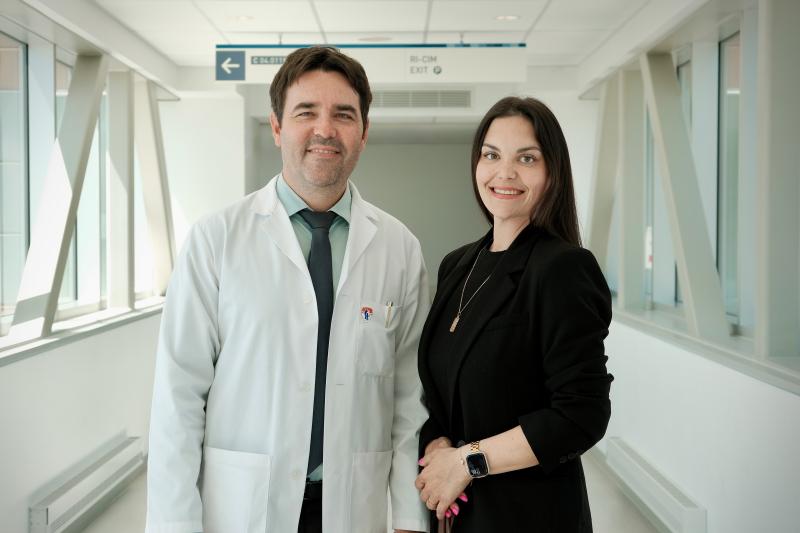
He said the work has had a lasting personal impact through patient follow-ups.
“Each life you can help, a new life is something very unique… I get messages, photos of the babies and every birthday. I feel deeply glad because it happened.”
He added that sharing options with patients early in their care is essential.
“We want to give them the option of having kids, the option to build like a family and keep going. So it’s not the end, most of the patients will be fine, so we want them to have all the options available. And they can pick, in the future they might say, you know what, I just don’t want to have kids, but that’s fine, you have the option, if you don’t do it, you have no option”
Institutional perspective
MUHC Director of Gynecologic Oncology Cancer Services Dr. Lucy Gilbert said fertility preservation is an essential part of patient-centred cancer care and reflects the hospital’s commitment to innovation in oncology and surgical treatment.
“Offering fertility preservation options to young cancer patients is invaluable to them and their loved ones, and is an integral part of our vision for innovative, patient-centred oncological and surgical care,” she said. “We are proud to recruit the best experts, such as Dr. Ribeiro, to advance women’s health.”
She adds that the MUHC is proud to have achieved such a milestone in Canadian medicine.
“With this breakthrough, our institution aims to become a leading centre for fertility preservation among patients undergoing cancer treatment.