‘We know he is dying’: Quebec orders coroner’s investigation into death of 4-year-old Nunavik boy
Posted August 13, 2026 1:19 pm.
Last Updated August 13, 2026 5:42 pm.
“We are losing my grandson slowly. WE NEED HELP!!!! HELP!!!!”
Those were the desperate pleas from the grandmother of a four-year-old boy from Nunavik, who died just days after that Facebook post.
The family of Jusi Padlayat says the child was experiencing severe abdominal pain for several days before he was found unconscious at home in the Nunanvik village of Ivujivik, on Quebec’s northmost tip, on Aug. 1. He was then evacuated to Montreal for treatment, where he died two days later.
Jusi’s family, which believes he may have suffered from appendicitis — though this has not been confirmed — says they sought medical care multiple times, and were in and out of a clinic.
“We need advice from anyone who knows how to take care of a person who is having pain constantly in his belly,” his grandmother Annie Q. Mangiuk wrote on July 31. “This 4 year old boy is just taking Advil and Tylenol. His mother and us been bothering nurses and they keep telling us to give him Advil regularly. And when he goes to nursing, this nurse keep saying we can’t do anything.
“We know he is dying slowly because the nurses keep refusing to see him during the evening.”
Mangiuk says she called a hospital in Montreal, with medical professionals there telling her the boy needed care. By the time he made it to Montreal, it was too late.
“He passed away on his parents lap and hands,” Mangiuk later wrote.
“We have no choice to accept his passing. Please keep pray for his parents and big sister.”
Quebec’s coroner’s office has now confirmed it will be investigating to find out exactly what happened.
“At the end of her investigation, if she deems it appropriate, the coroner may also make recommendations. These are preventive measures that aim to protect human life and prevent deaths in similar circumstances,” said Jake Lamotta Granato, a communications officer for the coroner’s office.
The coroner’s office says an investigation is launched when a death occurs in circumstances that are violent, obscure or involve negligence. Investigations usually take nine months to complete.
The Nunavik Police Service tells CityNews in a statement its officers were called to the home on Aug. 1 to provide medical assistance to the boy, who was already unconscious at that time.
“As they responded, emergency medical services were already transporting the child to the CLSC,” the police service wrote. “Our records do not indicate any other calls for service involving the child prior to August 1.”
Gaps in Indigenous health care
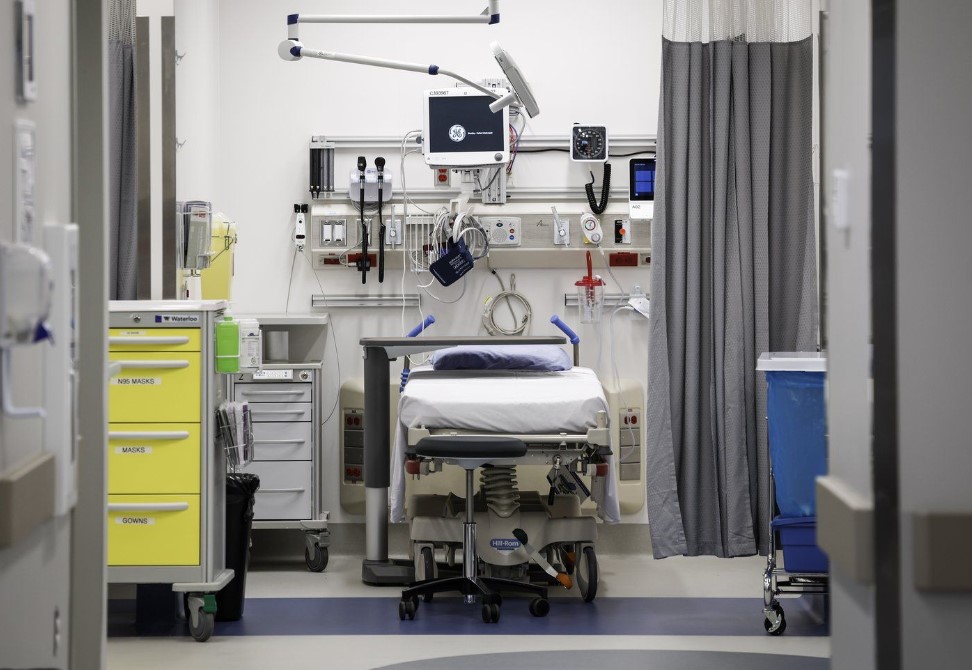
The case has renewed attention to health-care access in Nunavik, where many remote communities do not have hospitals and rely on medical evacuations for serious cases.
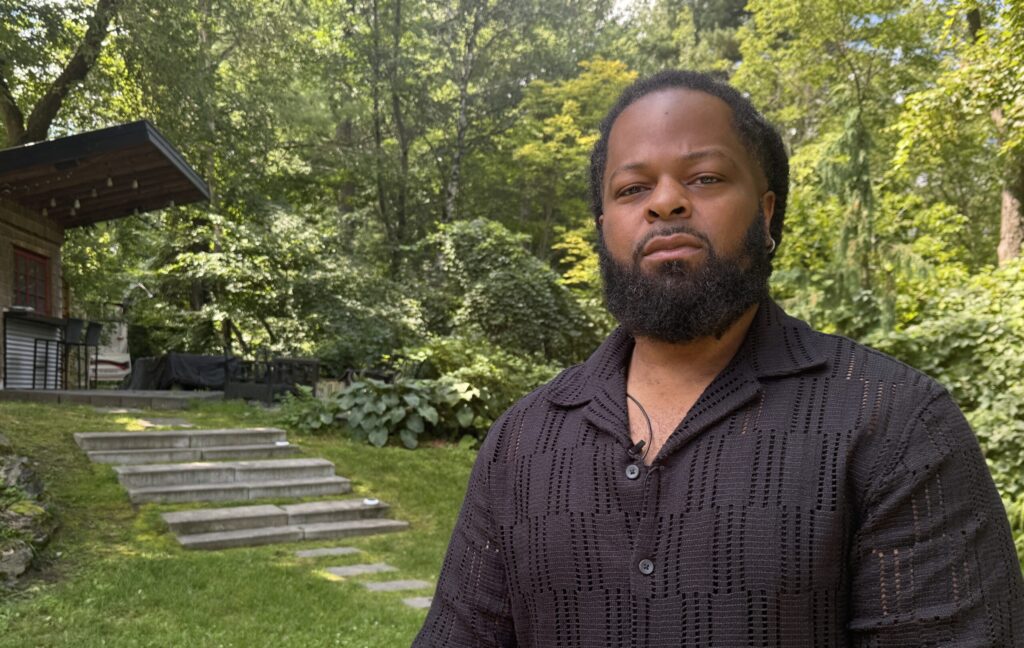
Robert Bonspiel, the president and director of First Nations Paramedics, says the case highlights the gaps in Indigenous health-care. He says Quebec only has systems to track complaints, incidents and deaths, but none that record cases where patients are sent home from a clinic, only to become seriously ill later.
“When the health centre says that this is an isolated case, they’re not telling you it’s rare. They’re telling you that they have no way to measure it,” Bonspiel explained.
“Does it happen once, does it happen 100 times? To be quite honest, we don’t know, because there’s no there’s no data that exists to be able to evaluate that.”
Bonspiel also points to a lack of ethnocultural health data, which makes it harder to measure how often these cases happen.
Quebec lawmakers rejected a motion in 2021 that would have required the health system to begin collecting that kind of data following the death of Joyce Echaquon.
Reacting to the incident, Sylvestre Desterres, interim executive director of the office of Joyce’s Principle, offered the Padlayat family the organization’s condolences.
“This tragedy serves as a brutal reminder that prompt and attentive care within the healthcare system is an absolute necessity,” he added.
In Nunavik, Bonspiel said, the consequences of gaps in medical care are magnified by geography. The closest hospitals to Ivujivik are over 250 kilometres away.
“Take the Island of Montreal, multiply that by about 1,000, scatter 14 villages across it, remove every road between them and leave two hospitals for the whole thing,” Bonspiel said.
There are indeed no roads connecting Nunavik’s communities, meaning patients who need hospital-level care can only get it if they’re airlifted.
“The patient leaves the moment they need what Sainte-Justine essentially could do in the first hour, because there’s no regional hospital with a CT scanner, an intensive care unit,” said Bonspiel.
The Nunavik Regional Board of Health and Social Services says it has the responsibility to “ensure that the circumstances around this tragedy are thoroughly and objectively examined.
“We are committed to transparency and to shedding light on the circumstances surrounding this loss,” it wrote.
“Internally, the IHC (Inuulitsivik Health Centre) clinical directorates have been mobilized, and a multidisciplinary review of the case has been initiated. Independent and external processes are also underway. The coroner responsible for the case has initiated her investigation, the Office of the Service Quality and Complaints Commissioner is involved, and an independent medical examiner external to the IHC will also review the case. The IHC is fully cooperating with all parties involved and will provide the information required to support these processes.”
In a social media post Tuesday, the Inuulitsivik Health Centre, which serves the village of Ivujivik, confirmed it will be fully cooperative to figure out what happened.
The case has prompted calls for answers from federal leaders.
Federal MP Mandy Gull-Masty, whose constituency covers Nunavik, expressed her solidarity with Jusi’s family.
“Inuit families and communities should have access to safe and reliable health care, especially children and youth, who are the future of our communities,” Gull-Masty said in a statement. “We expect the Quebec government and the medical personnel involved to treat this situation with the utmost seriousness. The system must provide answers to the family and the community, while working to prevent such tragedies in the future.”
On Thursday, deputy premier and the minister responsible for Indigenous relations, Ian Lafrenière, confirmed that “Inuit authorities are taking action and are treating the situation very seriously. The Government of Quebec will be there to support them.”