Quebec environmental groups, municipalities lay out climate priorities ahead of election campaign kick off
Posted August 26, 2026 9:24 am.
Last Updated August 26, 2026 9:23 am.
Adequately funding water infrastructure, protecting water resources, and using hydroelectric power to reduce dependence on fossil fuels are among the environmental priorities for the upcoming Quebec elections, according to stakeholders consulted by La Presse Canadienne. The adoption of a climate law to guide government actions and a reform of the Endangered Species Act are also priorities highlighted by these stakeholders.
According to Vire au vert, a coalition of 24 environmental organizations, water management and protection must be a top priority in the upcoming elections.
The measures taken by the Quebec government to ensure the sustainability of water infrastructure are insufficient. This is the view of environmental groups, the Quebec municipalities union (UMQ), and the Commissioner for Sustainable Development, Janique Lambert.
In her latest report, Lambert stated that water infrastructure “requires investments of several billion dollars.”
In this report, published last May, the commissioner points out that chronic underfunding of water infrastructure poses a risk to water quality, increases the risk of untreated wastewater overflows, represents a threat to human health, and leads to a breakdown in intergenerational equity, among other issues.
“Recording all water withdrawals in a public registry to better track usage and changes in demand, for more effective management during periods of drought” is therefore one of the requests the “Vire au Vert” group is making to the next government.
“There are several cities that have to put the brakes on their development because they don’t have enough water available to supply residents,” due, in particular, to the dilapidated state of water infrastructure, emphasized Marc-André Viau, director of government relations at Équiterre, which is part of the Vire au vert group.
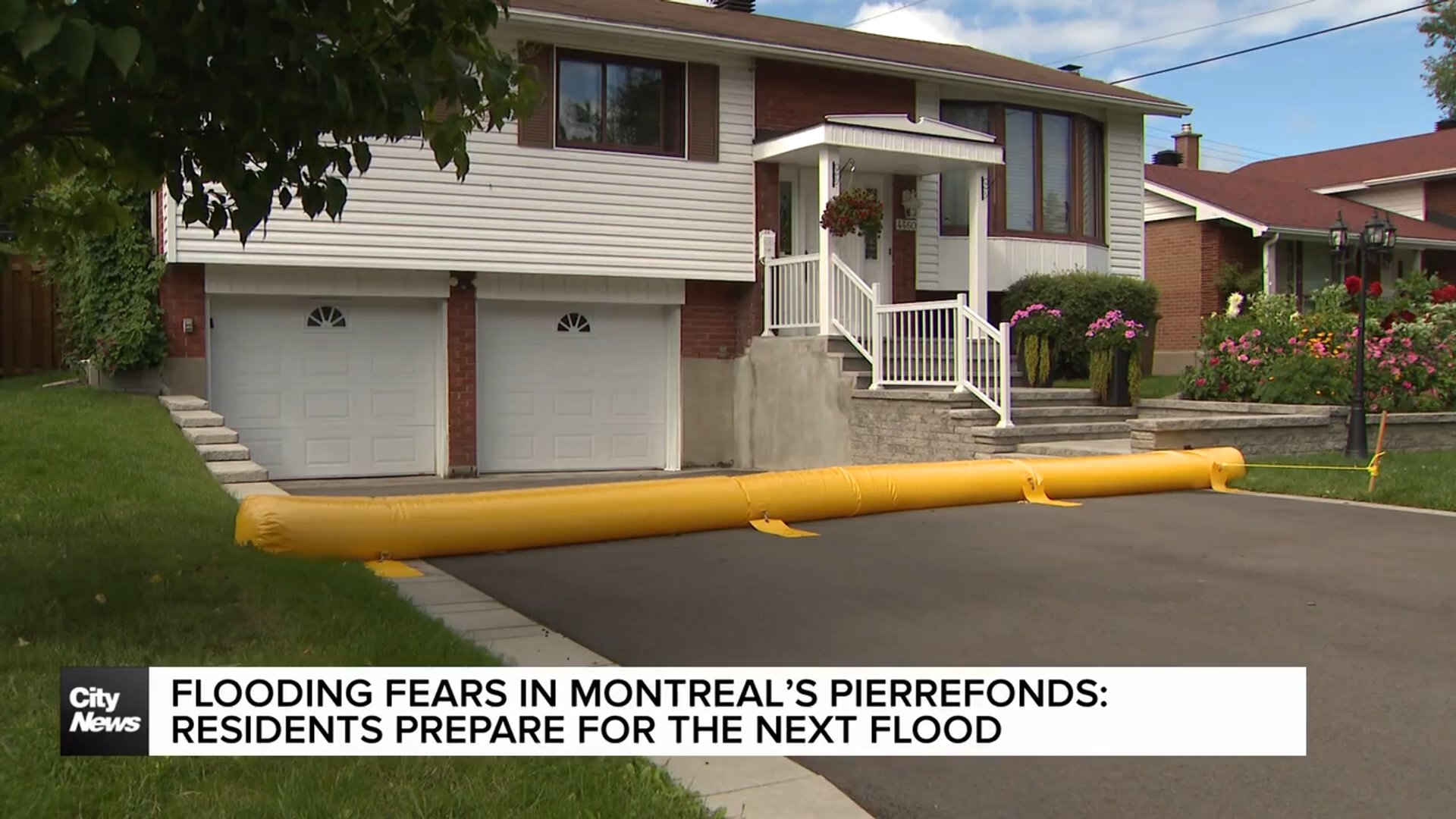
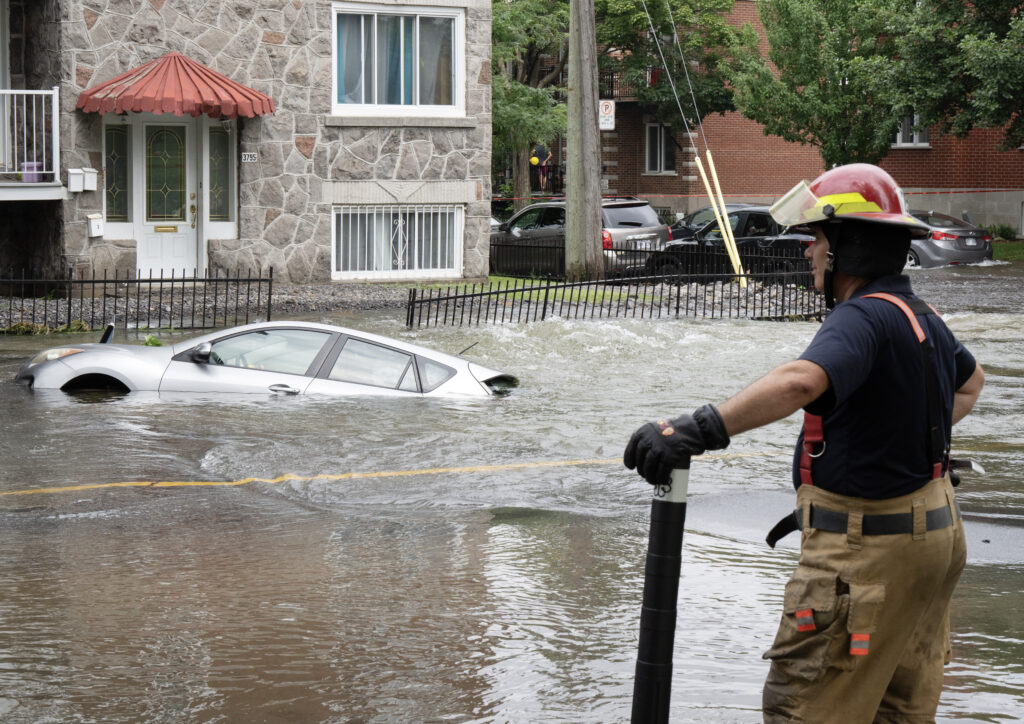
This underfunded and aging infrastructure is more vulnerable to climate change.
The total value of water infrastructure assets at high or very high risk of failure amounted to $18.2 billion in Quebec in 2023, according to the Centre for Expertise and Research in Urban Infrastructure (CERIU).
We must therefore invest in “gray” infrastructure—such as sewer systems, pumping stations, and wastewater treatment plants—stressed Équiterre’s director of government relations, but also in “natural infrastructure,” such as water-retaining parks, urban forests, and green drainage infrastructure.
This green infrastructure helps capture water more effectively to reduce the risk of flooding, which is becoming increasingly frequent due to climate change.
Viau would also like to see more rainwater harvesting initiatives.
He cited examples such as the Valnico dairy farm in Sainte-Brigitte-des-Saults, which collects rainwater for various purposes, and the Maison du développement durable in Montreal, which is equipped with a rainwater collection tank for use in its toilets.
Greater access to water
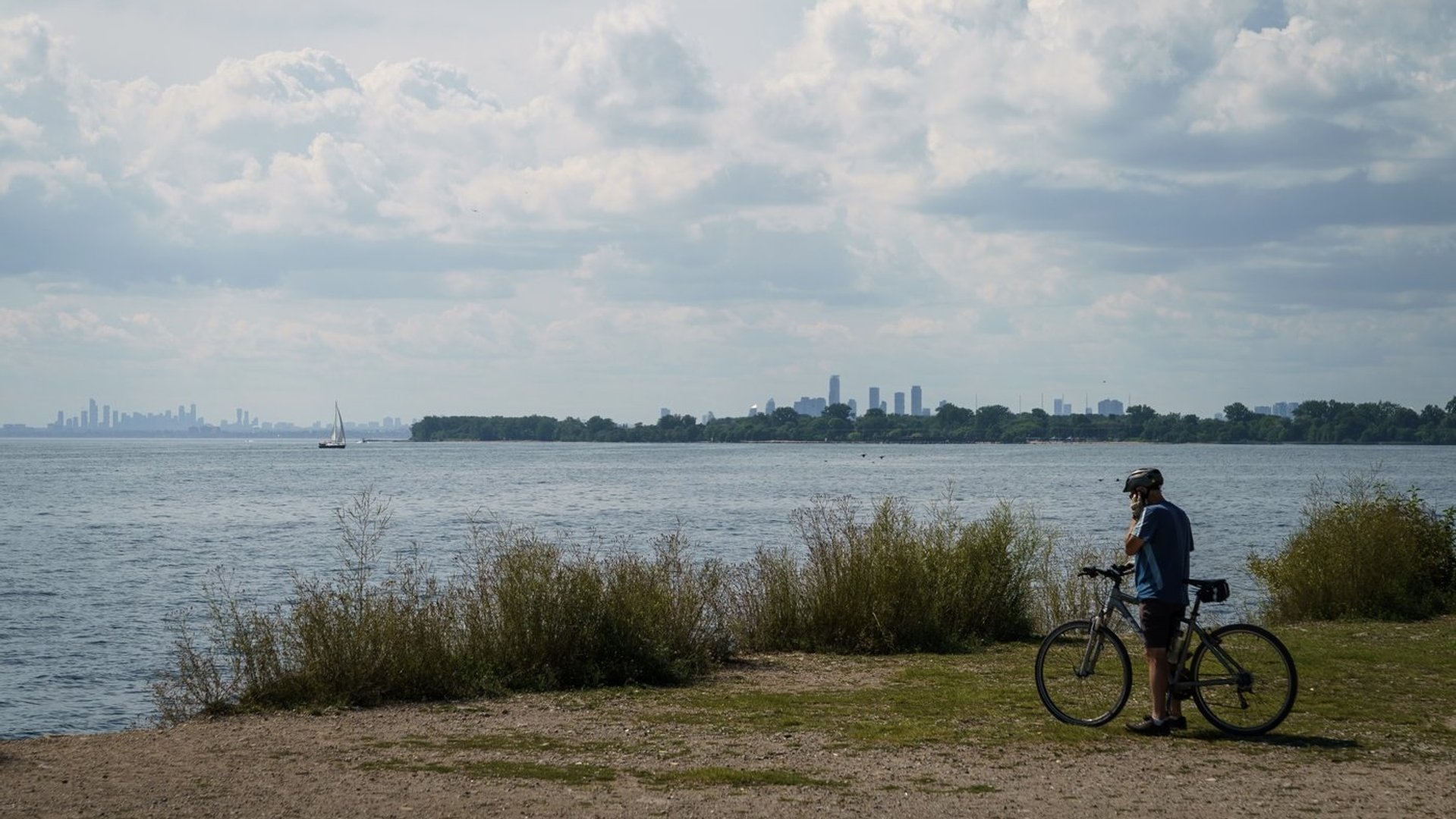
The Vire au vert coalition is also calling on the next government to preserve the few existing public access points to water and to create new ones.
“We need to bring nature closer to where people live. So that also means providing spaces and public access to nature—whether lakes or forests—which is a very important issue,” he said.
According to research by Sébastien Rioux and Rodolphe Gonzales, two professors and researchers at the Université de Montréal, at least 98 per cent of Quebec’s lake and river shorelines are inaccessible.
Their research also shows that, in about 75 per cent of Quebec’s municipalities, less than one per cent of shorelines are accessible, and at least half of the lakes and waterways are more than 95 per cent privatized.
Ban the destruction of lakes
Still on the topic of water, the Vire au vert coalition is calling on the next government to commit to a total ban on the destruction of lakes for the purpose of backfilling them with mining waste.
In Quebec, the use of more than 650 hectares of bodies of water to dump mining waste has been approved since 2002, according to data collected by the organization Eau secours.
A recent poll commissioned by Équiterre shows that 82 per cent of the population wants the next Quebec government to prioritize a measure banning the use of lakes for mining waste disposal.
Energy and GHG reduction
When it comes to energy, political parties vying for power must avoid “sticking to campaign platforms focused on an economy of the past,” according to Johanne Whitmore, senior researcher at the Chair in Energy Sector Management at HEC Montréal.
Geopolitical uncertainty—often cited in recent months to justify rollbacks on environmental policies—must instead become “a political lever.”
Thus, she argues, we must seize the opportunity to turn what is perceived as a weakness into a strength.
Rather than importing energy from another province to power our transportation needs, we should use the hydroelectricity we generate ourselves.
Quebec, the researcher points out, imports nearly $15 billion worth of oil and gas annually, which accounts for the bulk of its trade deficit.
Therefore, “if we want to reduce our trade deficit, become more resilient and self-sufficient in the face of geopolitical uncertainties,” and reduce our contribution to climate change, “we must break free from oil and gas.”
Unfortunately, the government seems to have taken the opposite path in recent months, the researcher notes, pointing out that, among other controversial decisions, it has chosen to “postpone our targets for transportation electrification and eliminate subsidies for electric vehicles.”
The researcher argues that the next government should “replace imported energy with energy efficiency” and promote “shared mobility and the electrification of transportation using our clean and affordable electricity” in order to “reduce household expenses, create local wealth, and strengthen energy security.”
Climate law
The Quebec Center for Environmental Law (CQDE) maintains that, against a backdrop of worsening climate and biodiversity crises—and “given that these crises exacerbate other social crises—Quebec has the opportunity, and the responsibility, to position itself as a credible, consistent, and ambitious leader” on environmental issues.
The CQDE is calling for the adoption of a “climate law” that would serve as “a kind of compass to guide all government actions in a consistent and predictable manner.”
In particular, this law would require the government to adopt carbon budgets.
Carbon budgets, used in other jurisdictions such as the United Kingdom, are decarbonization roadmaps that specify the amount of carbon emissions each major sector of the economy must adhere to.
“We are calling for targets enshrined in law that are broken down by sector for greater predictability,” states the CQDE.
The climate law proposed by the CQDE would also enshrine greenhouse gas (GHG) reduction targets in law, strengthen the role of the Climate Change Advisory Committee, and require that “every legislative, budgetary, or investment decision by the government” be subject to a climate impact assessment.
A long-awaited registry
The CQDE is also calling on the next government to commit to making the environmental information registry—provided for in section 118.5 of the Environment Quality Act—available online.
“It’s been a really long time—seven years—since this registry was mandated by law,” said Sophie Turri, communications director at the CQDE.
Section 118.5 of this law stipulates that the Minister of the Environment must maintain a public registry containing a wide range of information on industrial projects and activities.
For example, the registry must include a description and the source of contaminants resulting from a project, the type of releases into the environment, and the conditions that a project proponent must comply with.
The purpose of such a registry is to enable citizens to understand and monitor the environmental issues affecting their community.
The group of lawyers is also calling for a reform of the Act respecting threatened or vulnerable species so that the Minister of the Environment not only has the authority to enforce it but also the obligation to do so.
“The powers granted by the law are currently largely discretionary, and therefore, the protections are not necessarily activated. It is up to the minister’s discretion. It should be mandatory that, once a species is designated, the department must identify its critical habitat and protect it,” emphasized Sophie Turri.
Modernizing the forestry regime, ensuring adequate funding for public transit, providing greater protection for natural habitats, implementing policies that promote the circular economy, and ensuring compliance with public consultation mechanisms—such as the Office of Public Hearings on the Environment—are also among the expectations of the Vire au vert coalition ahead of the upcoming provincial election campaign.
Over the past year, several civil society groups have denounced the proliferation of legislative measures that could weaken environmental protection, such as the “law to reduce bureaucracy,” which allows for the transfer of accumulated surpluses from the Electrification and Climate Change Fund to the Generations Fund and the Land Networks Fund.
The Vire au vert coalition laments that “our politicians have chosen to weaken environmental policies and regulations, as well as mechanisms for public participation, and to circumvent democratic institutions” in response to the “destruction of trade rules” by the Trump administration in the United States.
–This report by La Presse Canadienne was translated by CityNews