U.S. confirms French language, culture protections won’t be subject to trade actions: LeBlanc
Posted August 27, 2026 4:00 am.
Last Updated August 27, 2026 9:53 am.
Canada-U.S Trade Minister Dominic LeBlanc says the United States has confirmed that Canada’s protections of language and culture won’t be the subject of future trade actions.
LeBlanc made the announcement on social media, saying Canada looks forward to “further constructive U.S. clarifications on their other positions which would create the possibility of a mutually beneficial trade agreement that respects Canadian sovereignty.”
Tensions between the two countries have continued to worsen since trade talks fell apart last week.
Prime Minister Mark Carney said over the weekend that an agreement had become untenable, accusing U.S. negotiators of trying to limit Canada’s ability to have other trade deals, restricting Canada’s protections of language and culture and reducing tariffs for cars but not trucks.
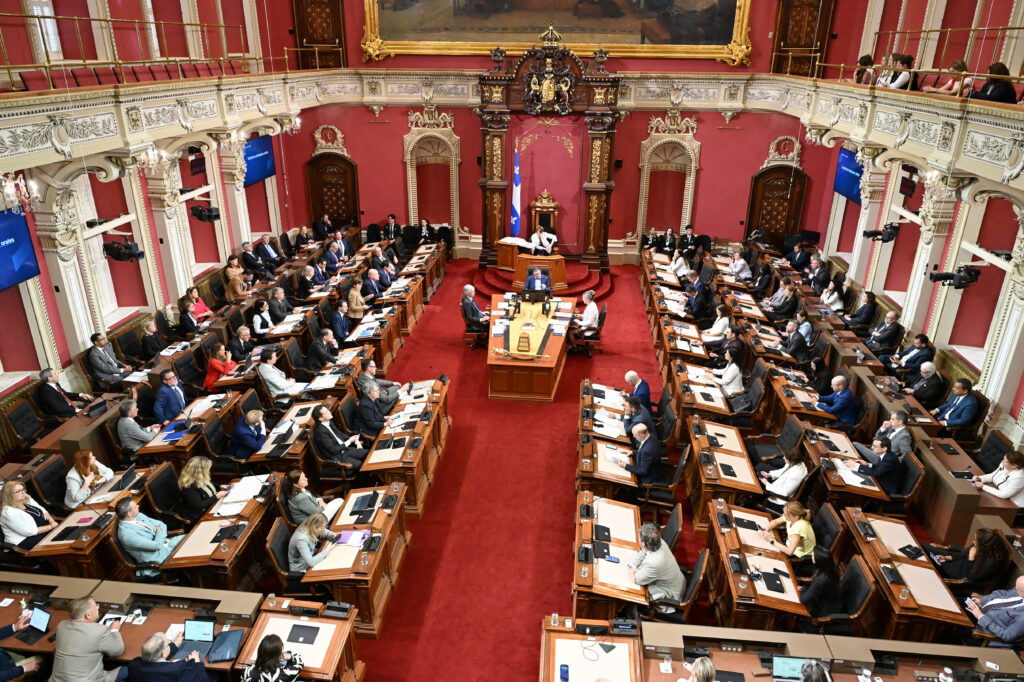
U.S. Trade Representative Jamieson Greer has disputed Carney’s portrayal of why negotiations crumbled, telling CBC News that while U.S. negotiators had questions about the Online Streaming Act and Quebec’s Bill 109 regarding French discoverability on streaming sites, it was by no means a dealbreaker.
Meanwhile, Canadian businesses continue to weather U.S. President Donald Trump’s latest duties while they await the planned reprisal from Ottawa to take effect.
Late Wednesday evening, Finance Canada issued a statement saying it had been receiving feedback from Canadian industries and is making some adjustments to the list of counter-tariffs.
Canada’s response, spelled out on Tuesday, includes raising tariffs on U.S. steel and aluminum products from 25 to 50 per cent.
Ottawa will also impose tariffs ranging from 15 to 50 per cent on hundreds of other U.S. exports, including clothing and apparel, appliances, and dairy products.
In this case, the statement said that to protect against broader economic harm, seafood and fish products have been removed from the list, but no further details were released.
Greer has stated on several occasions that if there is further Canadian retaliation, the Trump administration will not sit idly by and take it.