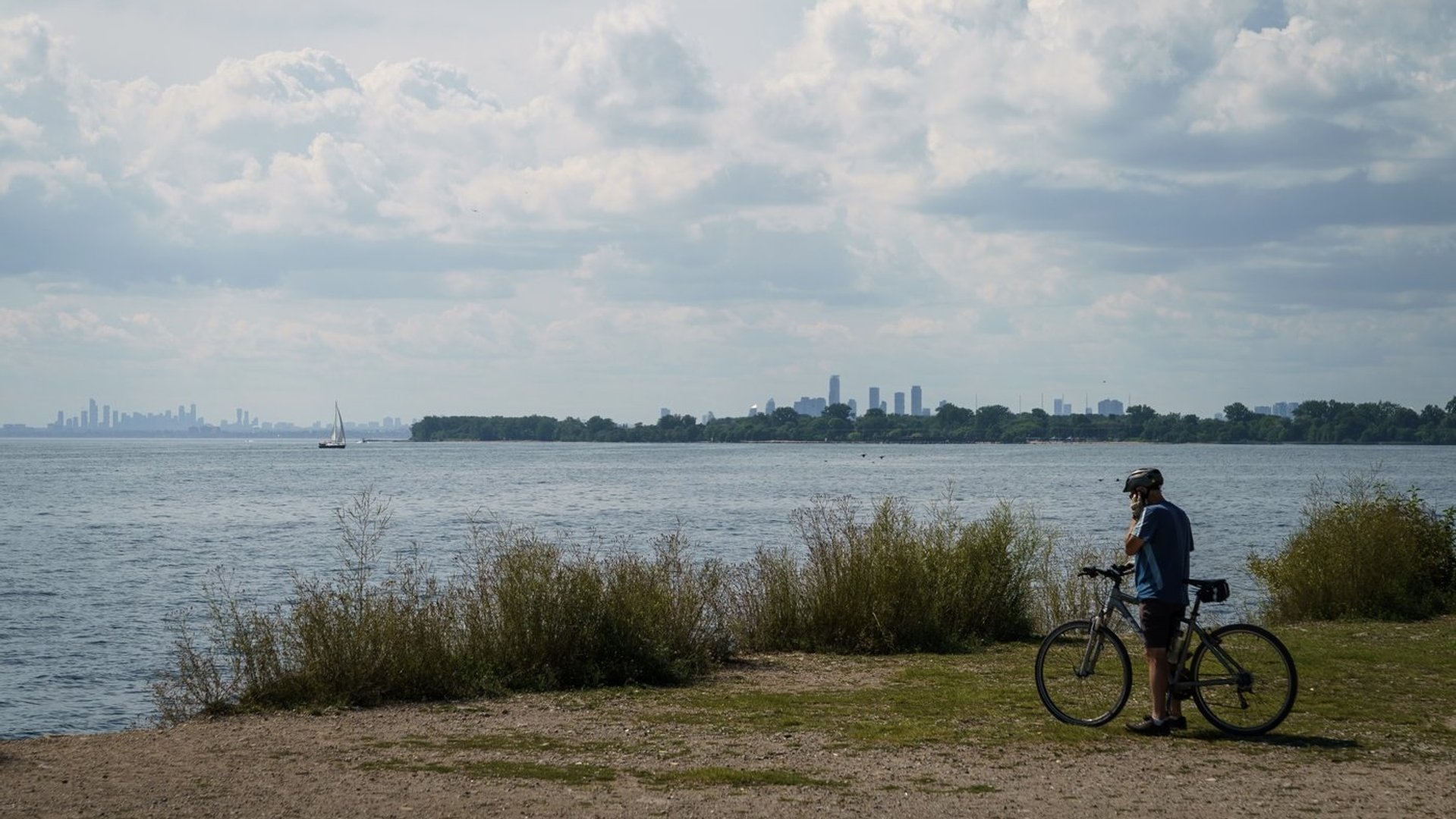
After two floods in two years, Pierrefonds residents say they’re being left to find their own solutions
Posted August 28, 2026 4:47 pm.
Last Updated August 28, 2026 4:37 pm.
For Jeff Cooper, preparing for the next major rainfall now means more than checking the weather forecast.
After his Pierrefonds home flooded twice in less than two years, Cooper is spending thousands of dollars trying to keep water out of his basement — while still waiting for answers about what is causing the flooding in the first place.

“We flooded twice in two years. August 9, 2024, June 20, 2026,” Cooper said.
He believes runoff from properties behind his home, which sit at a higher elevation, contributes to the problem. During major rainfall events, he says the ground becomes saturated before water begins coming up through the ground and into yards and homes on Aragon street where he lives.
Now, he is installing an underground retention basin in his backyard that he hopes will capture some of the excess water before it reaches his house.
Cooper is also considering a second sump pit, heavier-duty pumps and a permanent generator. Altogether he estimates that it will cost $30,000.
“I haven’t even changed a look at my house, it’s just all underground,” he said, referring to the costs of trying to protect the property.
The flooding has also affected his ability to obtain insurance. Cooper said that after making two water-related claims, he was unable to find another insurer willing to provide him with water coverage.
“I’m no longer covered for water insurance,” he said. “No one’s willing to take it on.”
Cooper says he and his neighbours have already installed measures such as backflow valves and backup pumps, but they have not solved the problem.
“It’s all up to us and that’s the frustrating part,” he said.
Other residents say they are also taking matters into their own hands.
Victor Knowlton has lived in the neighbourhood for 49 years. He says he regularly clears street drains himself and believes basic maintenance should be part of the city’s response.
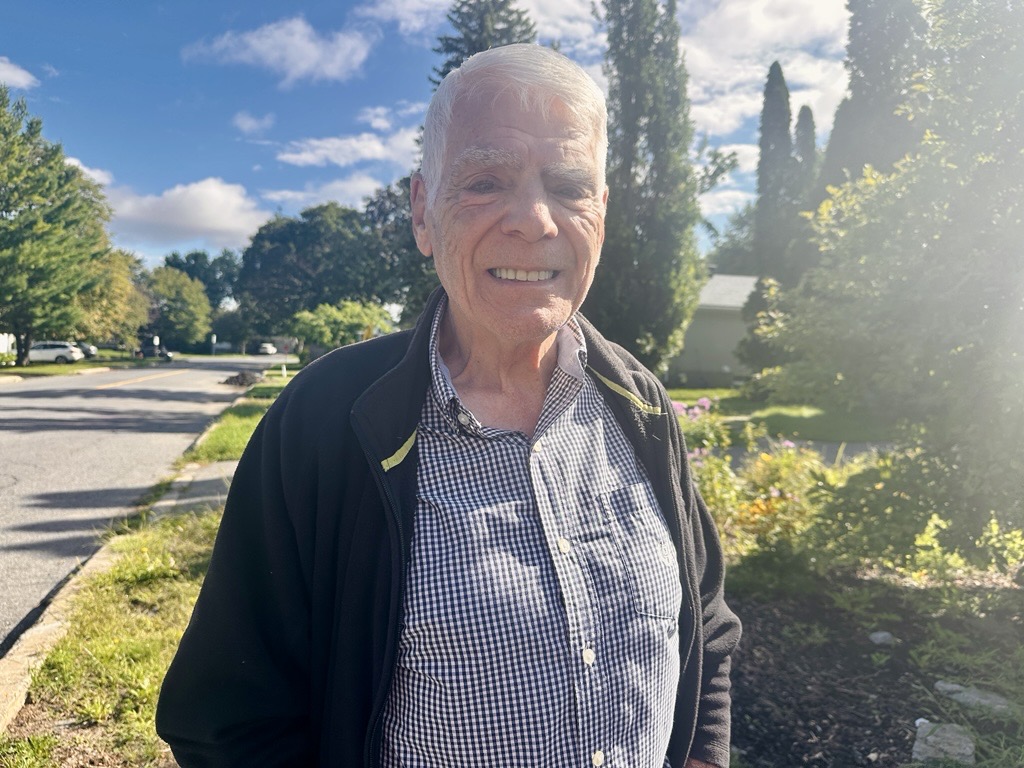
“I’m one of the people who go out and clean twelve months a year,” Knowlton said.
Joseph Fung, who moved into the neighbourhood just over a year ago, said the June flooding has changed how he reacts to even ordinary rainfall.
“I’m interrupted from my work because I’m very anxious,” Fung said.
He said he now checks outside repeatedly when it rains, worried about whether water will begin moving toward his home.
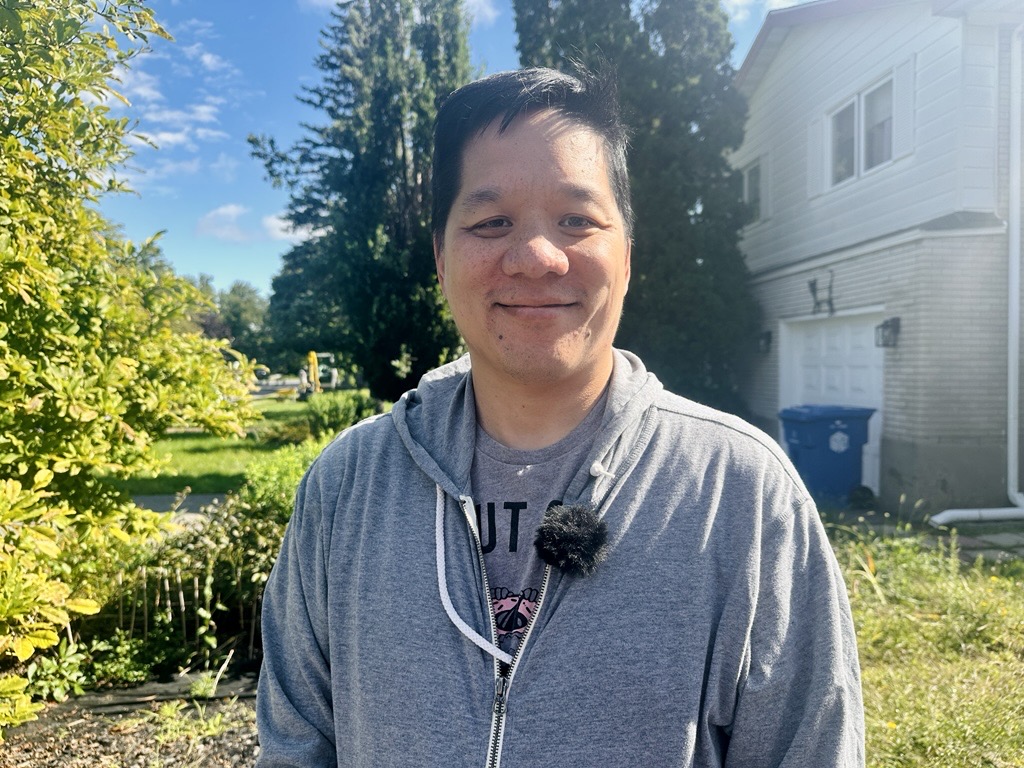
Fung said residents want the city to investigate what is happening rather than simply leaving homeowners to find individual solutions.
“I would like to at least think that you’re gonna come in and do at least some investigation and figure out what the problem is,” he said.
But an infrastructure expert says the problem may be more complicated than blocked street drains.
Jean-Luc Martel, a professor in the construction engineering department at École de technologie supérieure, said clogged drains can contribute to localized flooding, but they are unlikely to explain the kind of widespread flooding residents have experienced during extreme rainfall.
“Having cleaner grates won’t necessarily solve the problem,” Martel said.
He said municipal sewer systems are generally designed to handle more frequent rainfall events, but extreme storms can overwhelm their capacity.
“Usually it’s more of a rainfall problem. It’s an extreme rainfall. There is too much rainfall for how the drainage systems were designed back in the ’70s and ’80s,” he said.
Martel also cautioned that a single backyard retention basin will not solve a neighbourhood-wide flooding problem.
“[One basin] is not going to help the situation at large,” he said.
But he said widespread adoption of measures such as rain gardens and retention basins could make a difference.
“It’s the multiplication of those little acts… that really leads to some kind of changes,” Martel said.
He also believes the city and homeowners need to rethink how they prepare homes for increasingly intense rainfall.
Martel said municipalities can also play a role by providing residents with reliable information, professional resources and financial assistance to adapt their homes.
“The most important thing is to prevent the water from entering the homes,” he said.
CityNews contacted Pierrefonds-Roxboro borough, but they declined to comment, citing ongoing litigation.
For residents like Cooper and Fung, however, the immediate concern remains the next major rainfall — and how much more they will have to spend to prepare for it.
“I would like to at least think that [the city would] come in and do at least some investigation and figure out what the problem is,” said Fung. “If you’re not even gonna do that why are we even paying your taxes for?”