U.S. tariffs on Canadian cheese encourage Montrealers to buy Quebec dairy products
Posted September 9, 2026 4:22 pm.
Some Canadian cheeses will face a 50 per cent U.S. tariff starting next Tuesday. And two weeks later, Canadian dairy products like whey protein will be banned from entering the country altogether.
For Quebec cheese makers, losing access to the American market could be a problem.
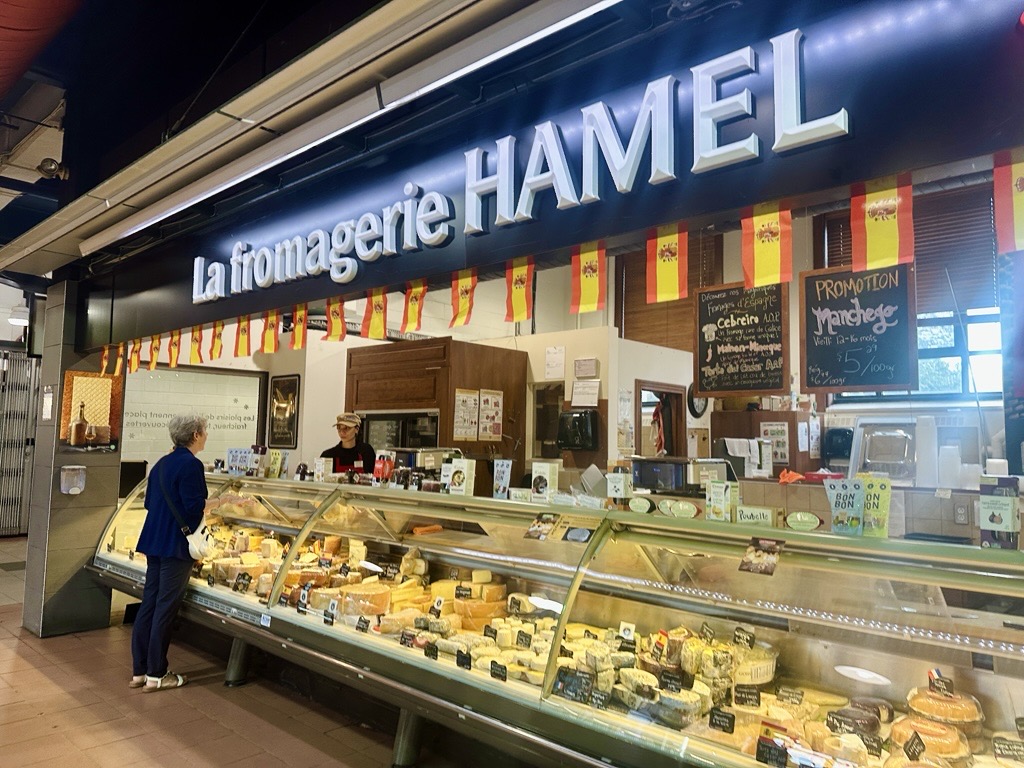
But for Montreal cheese shops, like Fromagerie Hamel at the Atwater Market, it could also create an opportunity to put more Quebec-made products in front of customers.
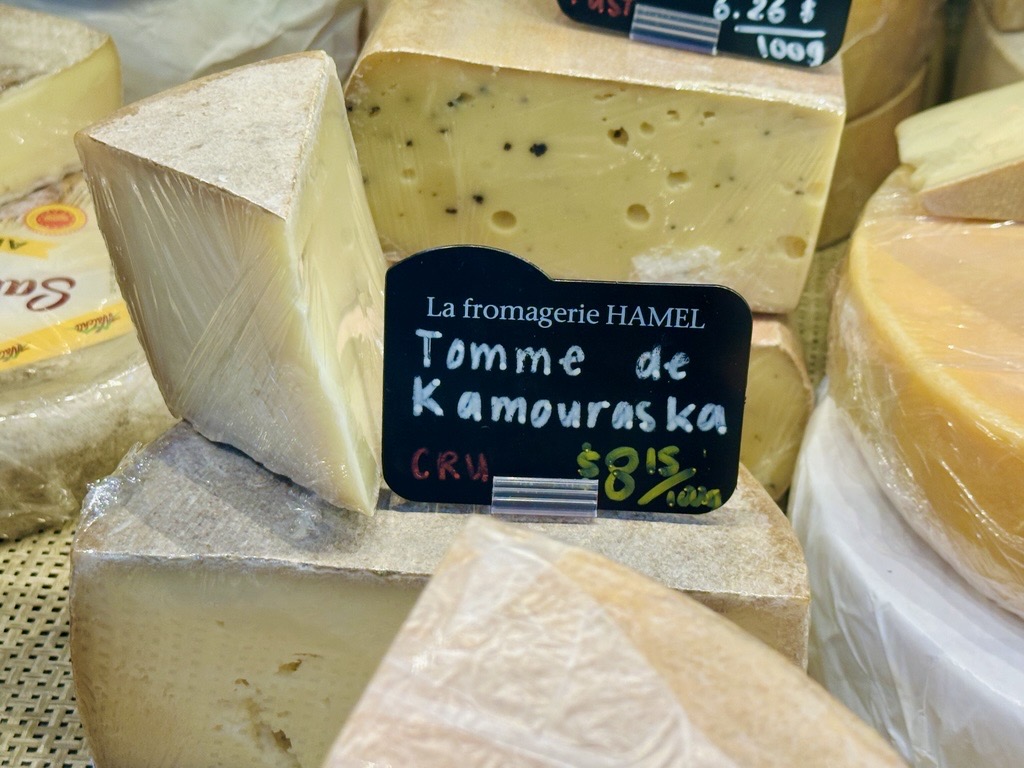
“Since the tariff war happened, a lot of people have been wanting to support local cheese,” said Nyome Giroux, the cheesemonger and manager at Fromagerie Hamel. “There’s also been a lot less of a demand for the American cheeses.”
“We watch every label very carefully and make sure where everything is grown,” Montrealer Heather Grant told CityNews. “And if they were from the U.S. but packaged in Canada, we leave them alone. We’re very strong.”
Dairy farmers are protected by supply management, but for those who process dairy – like cheesemakers – and who sell into the American market, that can make their cheese much harder to compete on price.
“It’s more concerning for smaller cheesemakers,” said Dr. Sylvain Charlebois, the director of Agri-Food Analytics Lab at Dalhousie University. “They can’t survive by only selling to the Quebec market. They need to export outside Quebec and into the U.S.”
READ: From sunscreen to dairy, these are the U.S. goods hit by Canada’s retaliatory tariffs
Charles Langlois, CEO of Quebec’s dairy industry, says he’s surprised the U.S. plans to ban Canadian whey protein products as there’s currently a shortage. But when it comes to cheese, it’s another story.
“The major cheese manufacturers and importers are here in Quebec, so yes, it’s going to have an impact,” said Langlois of the Conseil des Industriels laitiers du Québec inc.
“There are 97 or 98 dairy companies that buy milk and produce dairy products throughout Quebec.”
The question remains: Will consumers end up paying more for cheese?
“I don’t think all of the price increases will be passed on to consumers, because market pressure is still there,” explained Langlois.
Giroux says some American cheeses have been pulled from shelves due to the trade war.
“As a means of promoting local and also diminishing the cost of cheeses because if we do begin selling American cheeses at a 200 per cent possible tariff, we do not want to be offering those cheeses for $200 to $300 a kilo.”
Giroux says Quebec has plenty of cheese to help fill the gap.
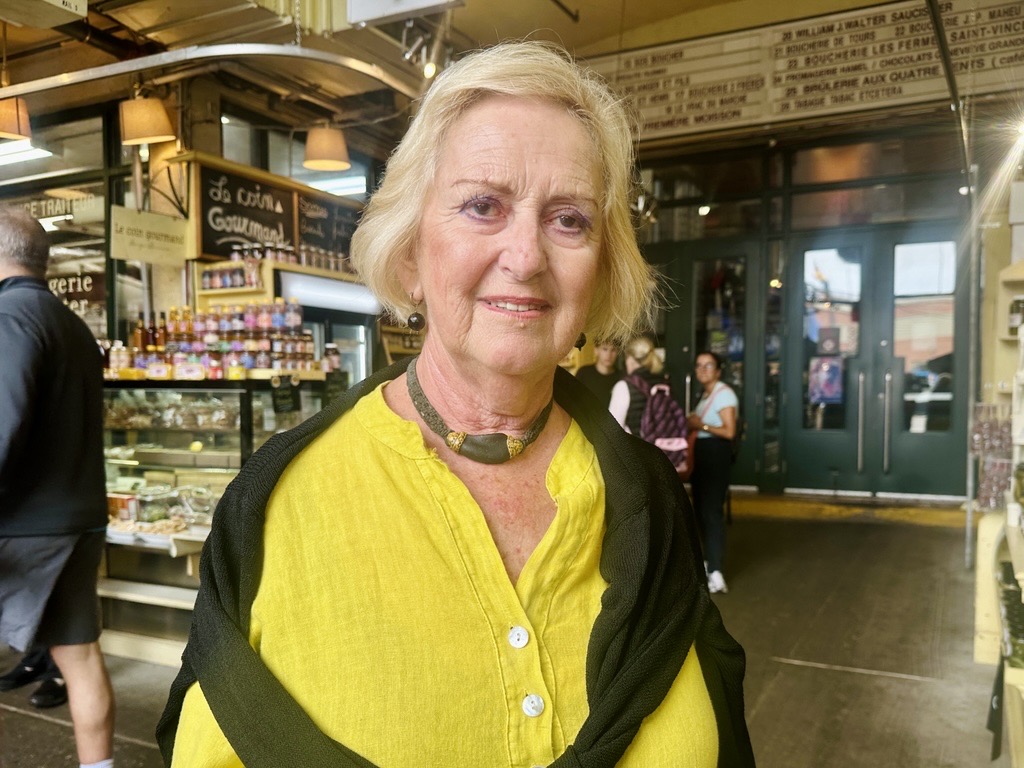
“There are a lot of very good Quebec cheeses,” added Grant. “We’ve tried lots of them and they’re excellent.”
“I don’t mind paying a little bit extra because I’m supporting the local farmers and I want them to stay,” said another Montrealer shopping at the Atwater Market.