New Montreal residence opens its doors to young adults with multiple disabilities
Posted May 23, 2025 5:57 pm.
Last Updated May 23, 2025 8:37 pm.
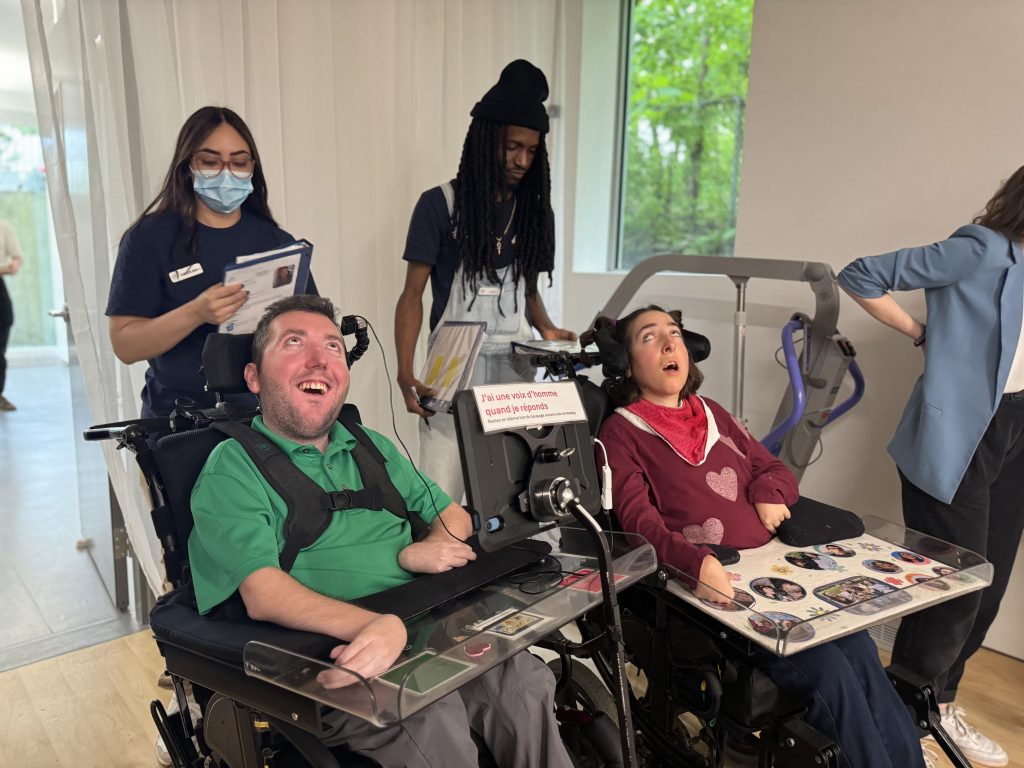
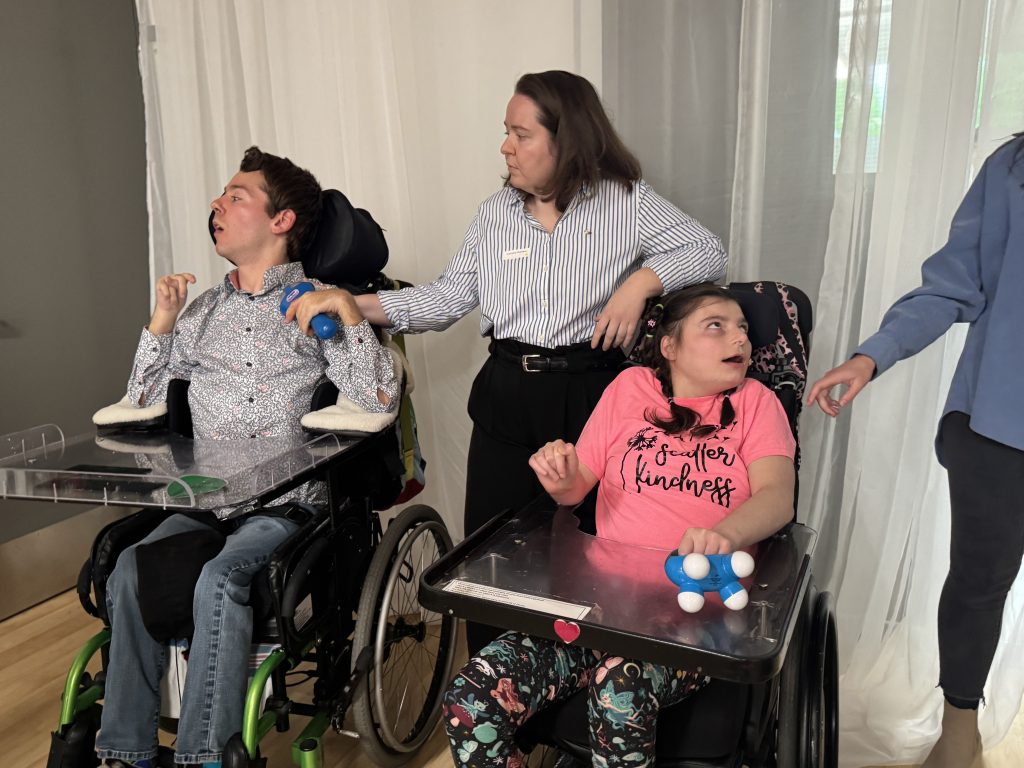
Habitat Philou officially opened its doors in Montreal’s Ahuntsic-Cartierville Friday morning, offering long-term housing and support to 12 young adults with multiple disabilities.
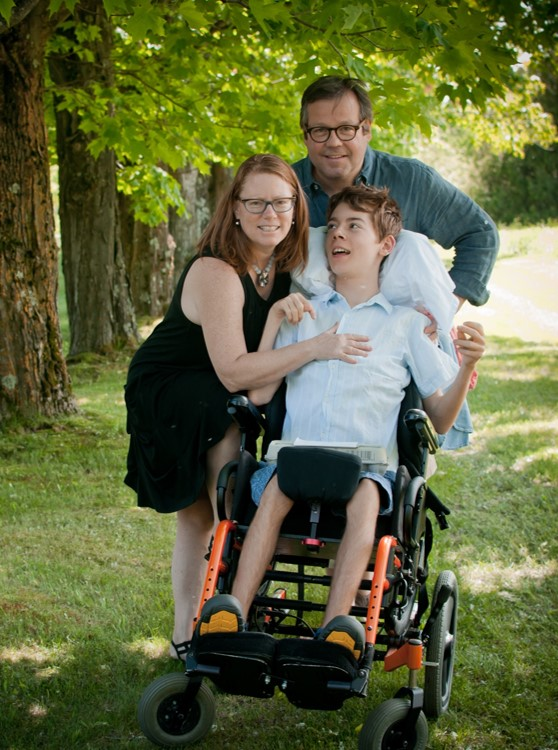
The Habitat is a project by Centre Philou, which was founded 20 years ago by the parents of young Philippe — known as Philou — who suffers from severe cerebral palsy.
“When you see all the distress in the hospitals and all around you with these families, you say, hey, can I do something other than just, you know, feel my own difficulty? Can I do something for families?” said co-founder Diane Chênevert. Her son, Philou, is among the dozen young adults aged 21 and older occupying the residence.
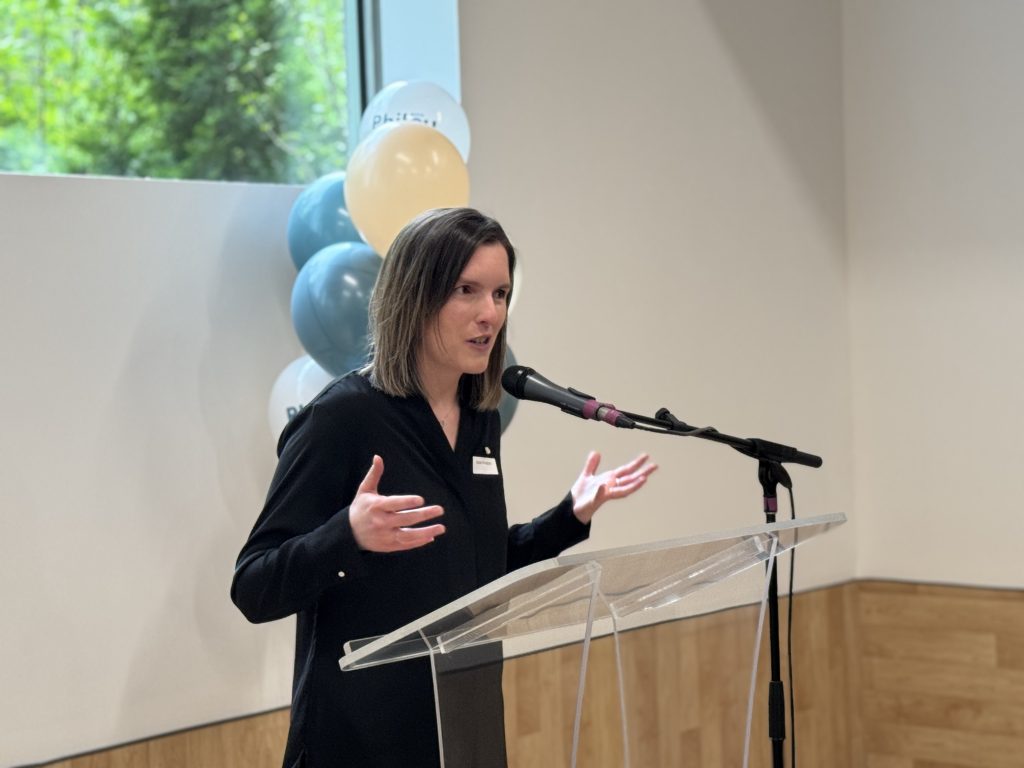
Centre Philou’s president and executive director Sarah Kimpton says the project emerged from a lack of existing services for young adults with multiple disabilites.
“Those children, when they get to 21 years old, there’s no more services for those families,” she said. “We decided, since we’ve been helping those families for many years now, that we had the expertise to build something like Habitat Philou.”
The families using the services are no strangers to Centre Philou — Kimpton says the residents were involved with the center for years, from the time they were children.
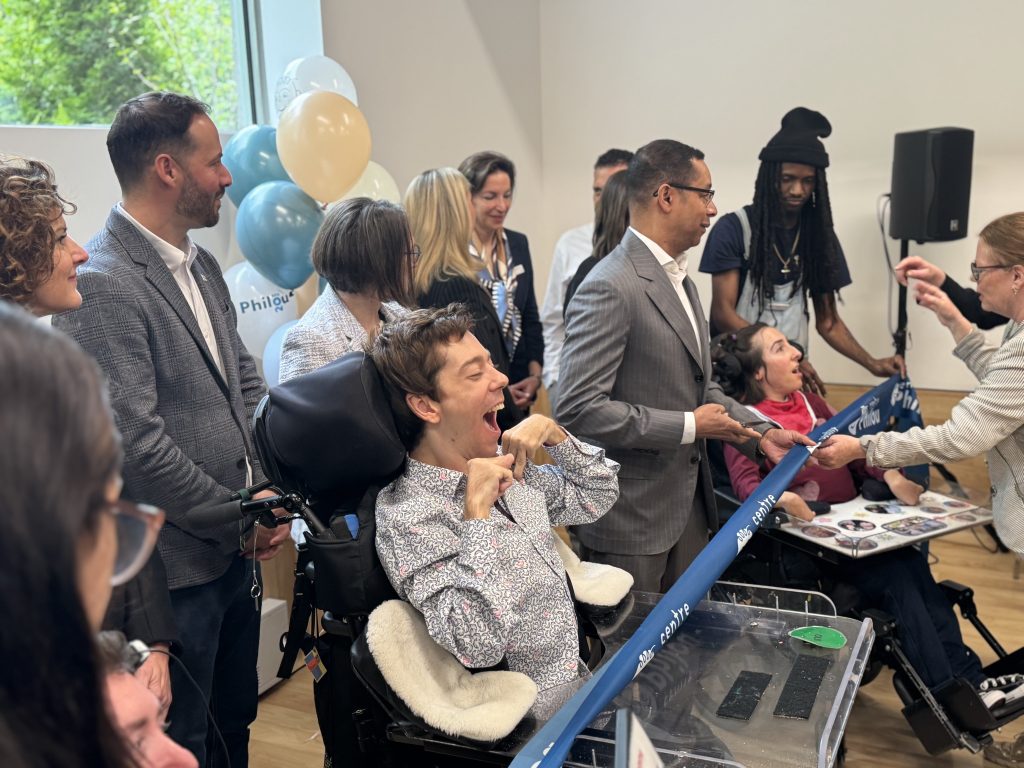
Ann Gagnon is the mother of two of the residents — Bradley Wraight, 26, and Kieran Wraight, 22 — who have been involved with the centre since its beginnings as “a little apartment with only three bedrooms” on “a little street” in Montreal, in the words of Chênevert.
“Now we have 20 bedrooms, we have a respite center with 20 bedrooms, we have a school, we have a little daycare, and now for the 21 and older, we have this place where they can actually live their own life because they’re at that stage in their life,” said the co-founder.
Gagnon says she has seen a change in her boys’ independence over the last couple weeks at the residence.

“We come in and they’re like, ‘Oh my gosh, hi mom, hi dad,’ and then they’re like, ‘Gotta go. I got things to do. My friends are waiting for me,’” she said.
The centre is set to be rife with activities designed for these young people to have a full life. They will be joined by support staff like yoga teachers, a physio and a cook. The space also has a sensory gym, a large living room, a kitchen, an art room and a music room.
“The other day, they were doing an obstacle course that involved doing puzzles, doing bowling, doing basketball,” said Gagnon. “There was one day they were doing bingo but it was Disney bingo. So they each had a bingo card and then they would put Disney songs on and then you had to find the character on the card that linked to the music.“
Quebec minister of social services Lionel Carmant said the government is investing $1.8 million per year into the project. He said Quebecers should expect to see more of these projects popping up around the province.
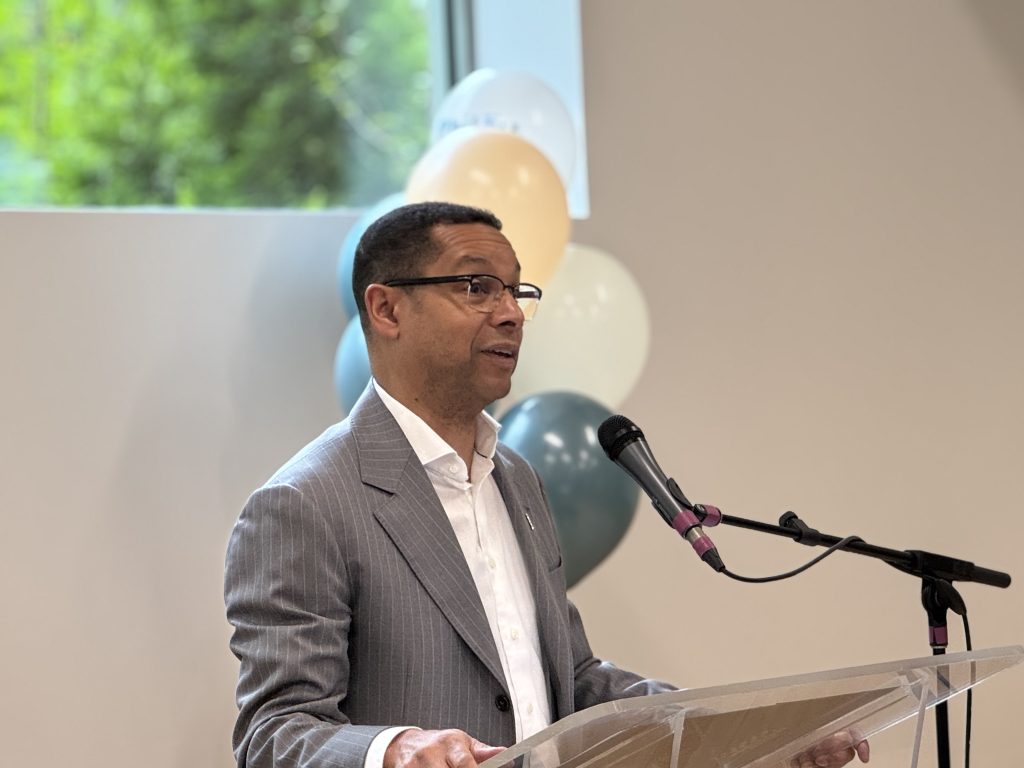
“We need more of these places because it has to be part of a spectrum of support. Lighter support for those who are more, who can go to work and live on their own, but more intense support for those who need, who require more special needs,” he said.
In response to a question about why his government has taken until now to invest in a centre that has existed since 2005 — the Coalition avenir Québec coming into power in 2018 — Carmant said that “it’s not only the government.”
“It’s the old concept of, you know, severe handicap. Up to now, before our government, the ratio of support was the same for every center, whatever the need was,” he said. “We’ve been increasing the spectrum by giving, you know, lighter support for those who are more autonomous and more intense support, one-on-one for those who require more severe handicaps.”

Certainly, for Habitat Philou, the funding is “not only (from) the government” — the centre also received $5.2 million in private sector donations for the project.
Now, with a $7 million total budget for just one of its projects, it may be hard to believe Centre Philou’s humble beginnings in a three-bedroom apartment; and it may be even harder to believe the multi-million dollar Habitat provides support to just 10 families.
Gagnon says the hefty price tag reflects the level of care required for her sons.
“Come visit. Come spend a day with my children and see how it implies to be with them 24 hours a day to give them service,” she said. “In the long run, yes; it’s a different budget and it’s a different structure, but each of us deserve a quality of life, and this is where the money is being spent and how it’s being spent.”

Carmant roughly echoed the sentiment.
“Everybody needs to support, whether it’s with a light handicaps. And for those with light handicaps, we need to let them live as an autonomous as possible life,” he said. “But those with special needs or severe special needs need also support for their family and for themselves to live in dignity.”
Kimpton estimates there are about 3,000 people in Quebec living with severe disabilities like those of the Habitat Philou residents. With a number of families on the waitlist for the shiny new centre — where families won’t need to pay for its services from their own pockets — the director admits that it’s difficult to stretch the budget.
“It’s not that much compared to the whole population, but the families living with a severely disabled child, the impact on their lives is unimaginable,” said Kimpton. “The Habitat itself is a living environment totally tailored for the specific needs of those people living with disabilities. There are 12 rooms, so each of them have their own room. We have activity rooms, we have places where they can meet. What is most special about Habitat is that it’s located right near to the Parc de la Visitation in Montreal. They can go for a nice walk in the neighborhood and in the forest, so they are close to nature.”
Chênevert said she is happy her son has this environment to live in ― but she also feels guilty to need this extra support.
“You feel guilty that you have worked 25 years with this child to bring him to a certain stage, and now you are yourself at a stage where you’re tired, you need help yourself, you’re growing old, and therefore you have to let go,” she said. “On the other hand, the guilt is kind of balanced with an area which is their own home. We feel respect for them. We feel dignity for them. We know them.”