Montrealers call for infrastructure change and action from city after weekend flooding
Posted July 15, 2025 5:28 pm.
Last Updated July 15, 2025 5:38 pm.
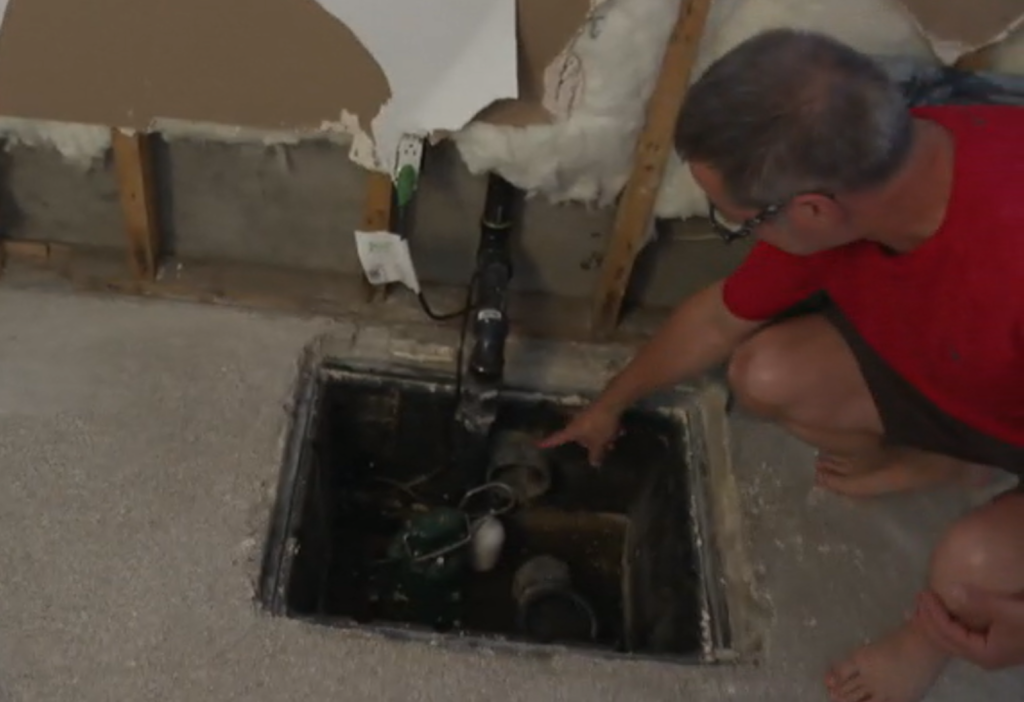
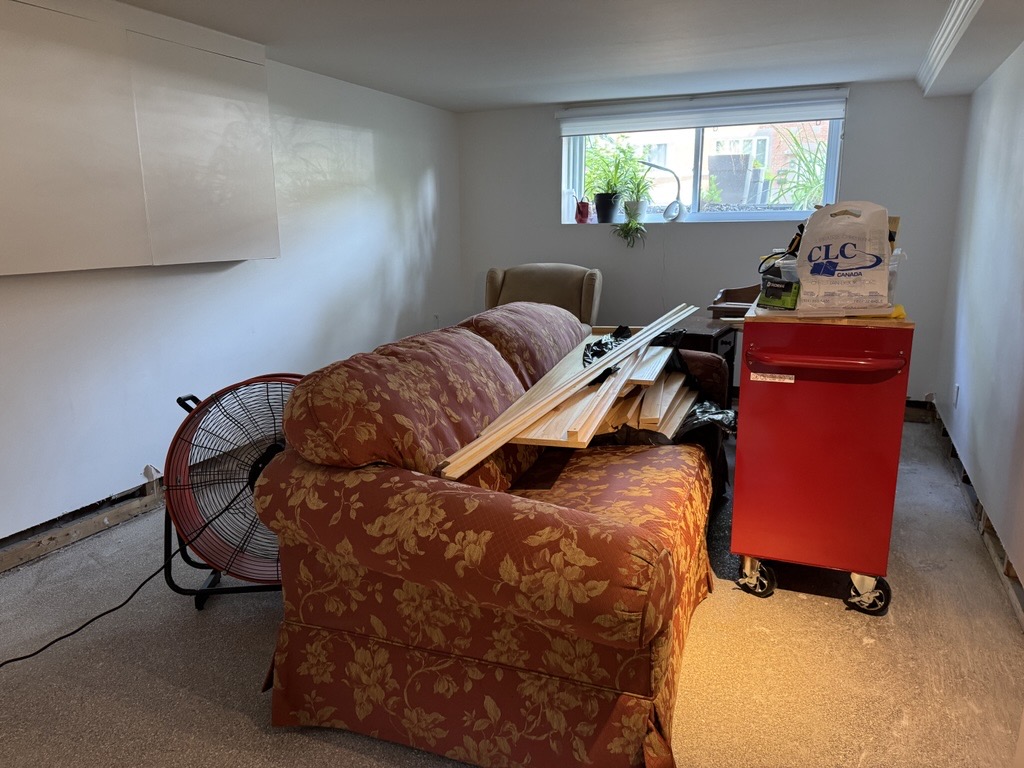
Ahuntsic resident Marc-André Veer has his basement filled with fans and ventilators to recover from the flooding he experienced over the weekend.
The flooding came about when the drainage pump he had installed failed to keep up, leading to about a foot and a half of water pooling inside.
Veer is keeping his TV and sofa, which were once mainstays of the basement, out of the space for now, uncertain when it will be safe to bring them back. He said that the city needs do its part to flood-proof the area before he feels confident returning his belongings.
“The mayor says it’s a shared responsibility. I agree,” he said. “But what responsibility has the city taken since then? I’ve seen nothing.”
According to data from Environment and Climate Change Canada (ECCC), Montreal was soaked with 70 to 100 millimeters of rain Sunday — as much as it typically receives during the entire month of July, all within just a few hours.
City officials told reporters Monday that they’re offering subsidies for renovation and flood-proofing of buildings with one to five dwelling units. They also said that the municipal government is collecting data from each borough to identify and better protect flood-prone areas.
However, with severe storms becoming increasingly frequent, experts are saying that all levels of government need to come together to improve the city’s preparedness.
“We know that we can have this kind of rain, maybe two, three, five times in a summer. So it’s not exceptional,” said UQAM professor of geography Yannick Hémond, adding that support from provincial and federal governments can tip the scales when it comes to flood-proofing a city.
Repeated flooding prompted the borough of Saint-Laurent in June to pass regulations to better protect homeowners from severe weather. The new bylaws now allow homeowners to level out their sloped garages to reduce the risk of basement flooding and guarantees that new garages are built on flat surfaces.
With the housing crisis still a concern, the borough will keep allowing residents to live in basement apartments but only if owners take precautions like installing watertight doors to keep floodwaters out. To keep vulnerable groups safe, basement living won’t be allowed in places like schools, daycares or senior homes.
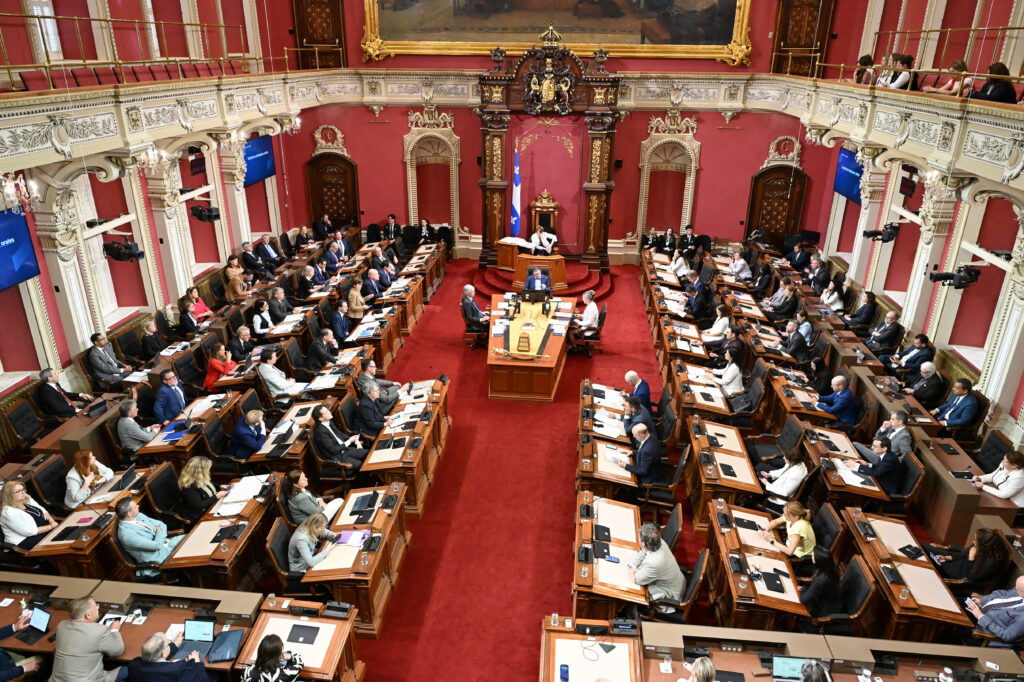
Saint-Laurent borough mayor Alan Desousa is urging other city officials to take action and put safety measures in place ahead of the next major storm.
“We were proactive, we moved and we’re off and running,” he said.
Saint-Laurent’s new anti-flooding bylaws come thanks to $7 million sent by the federal government in March. Desousa said that this type of support helps communities better prepare for and respond to flooding risks.
“We’re seeing more rain, large volumes, all falling at the same time that overwhelms our infrastructures,” Desousa said. “That’s why other levels of government have to be part of the solution. What is currently on the table is, no pun intended, just a drop in the bucket.”
For Veer, action from the city and higher levels of government will speak louder than words.
At a Monday press conference held just outside his home and hosted by Montreal Mayor Valérie Plante to address the flooding, Veer said he had made his voice heard but isn’t holding his breath for any help from the city.
“They listened to me, but I didn’t get any support,” Veer said.
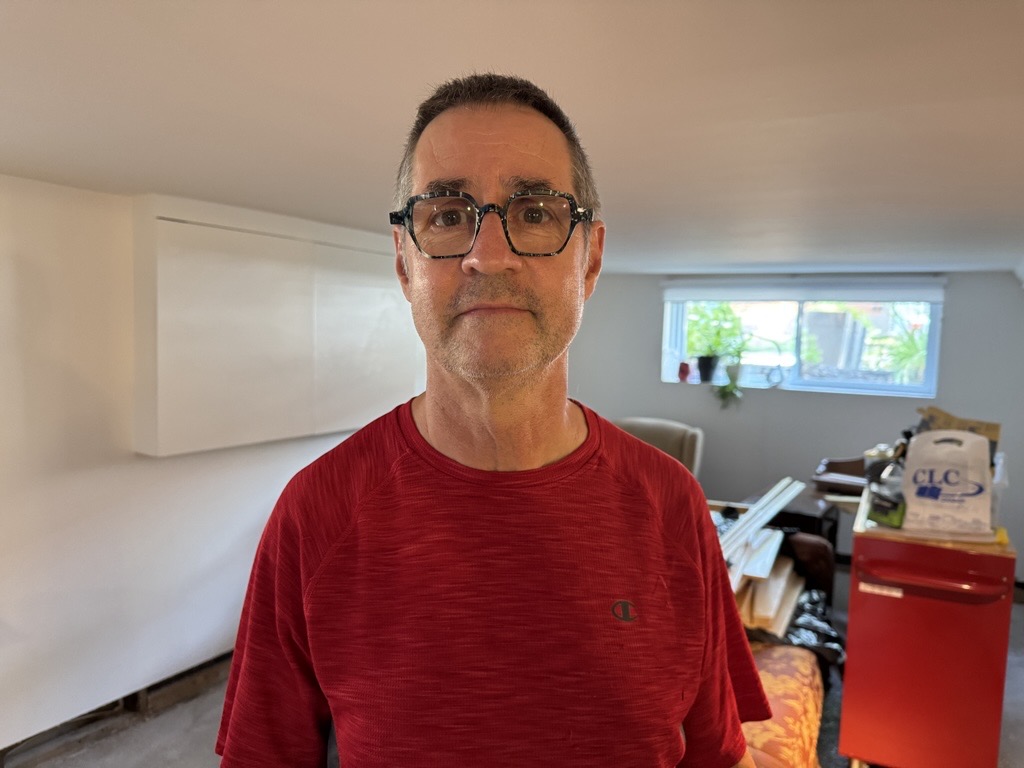
For now, Veer said that he will continue to dry out his basement, but he remains determined to push the city for action.
“But what I’m going to do is I’m going to regularly question them about when you’re going to start something on our street,” Veer said. “Because you have to start something.”