Montreal’s 2025 Black History Month calendar: honouring laureates from August to October
Posted February 27, 2025 11:00 am.
Last Updated March 1, 2025 11:30 am.
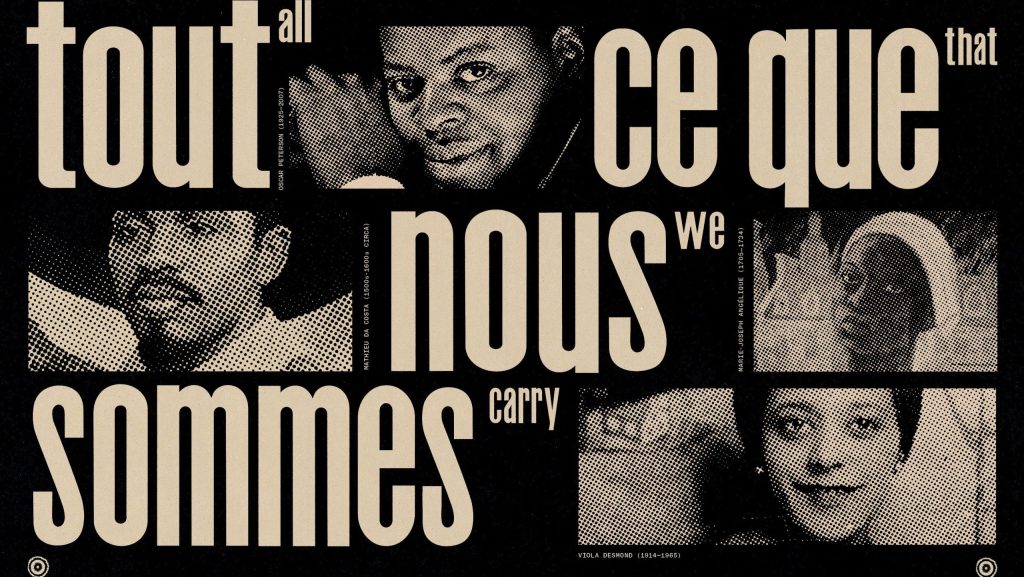
“All That We Carry” — that’s the theme of a free calendar that is released annually as part of The Round Table on Black History Month.
It features 12 Quebec laureates, each representing a month of the year.
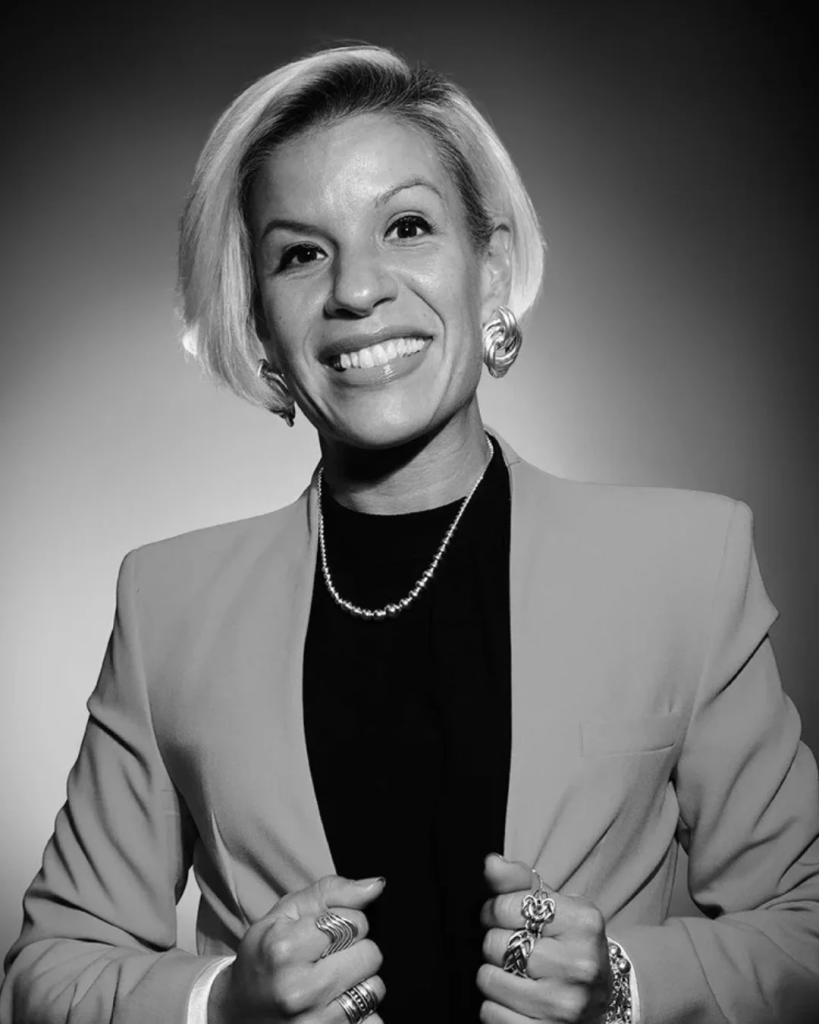
August: Désirée Rochat
For community educator and historian Désirée Rochat, being selected as a laureate is something she would describe as a “full-circle moment.”
She recalls when she received a call from Michael Farkas, president of the Round Table on Black History Month, telling her she had been nominated.
Rochat says that Farkas was the person she started doing community work with as a teenager, when she was around 14 or 15 years old, in Little Burgundy. She adds that she made her way to the city and anchored herself in Montreal through this community work.
“So to come full circle and then get this recognition 20 years on from him, more broadly from the Black History Month, was really touching because the recognition is also because of my longtime community work. So it was very touching for me,” said Rochat.
“It also shows how we’ve all kind of done this together over the years because here I am again 20 years later finding Mike Farkas at the head of the roundtable. And so I just think that it shows the kind of the networks that we all are a part of in this city to kind of build and care for our communities.”
Rochat told CityNews about the work she has done up until now.
“I started as a community educator and community worker when I was a young teen myself and evolved over the years, working in different organizations, at first in Little Burgundy, and then kind of spread out around the city from, you know, Point Saint-Charles to Saint-Michel. And through this work as a community educator, I started to be really interested in history,” said Rochat.
She says that as she did her work, she learned from her elders and came to the realization that we had such a rich history that was housed in different community organizations they had set up over the years. This launched her into a whole other set of work, which has been researching and preserving the histories of Black communities in Montreal.
“Over the years, what I’ve really been trying to do is find these histories, but also work to preserve our archives, because as long as we don’t preserve our own archives, it’s hard to tell our histories, right?”
Rochat says she doesn’t do this work alone and really stands on the shoulders of giants, with people such as Dr. Dorothy Williams and Nancy Oliver McKenzie, who is also a laureate this year. She says it’s humbling to be sharing the same year with her.
She adds that being a laureate this year marks an important moment because 10 years ago is exactly when she started to do historical work.
“To come again, 10 years later, be recognized for that historical work that I continue to do, but that really emerged from my community work, is really also an encouragement to continue doing this.”
In addition to her work in history and the community, Rochat is also the author of educational materials focused on the province’s Caribbean communities.
In order to preserve and promote Black community archives, she has also participated in several initiatives.
She was also the co-editor of the book Statesman of the Piano: Jazz, Race, and History in the Life of Lou Hooper, alongside Sean Mills and Eric Fillion, in 2023.
September: Wendell Nii Laryea Adjetey
William Dawson Associate Professor, Wendell Nii Laryea Adjetey (Nii Laryea Osabu I, Atrékor Wé Oblahii kè Oblayéé Mantsè) is September’s laureate.
He says being featured in the Black History Month calendar is a great honour.
He lived in Montreal over three decades ago — he first arrived when he was in Grade 2 — then moved to Toronto, and later lived in the United States, where he did his doctoral training, before returning to Montreal in August 2019 to start at McGill University.
While studying outside of Canada, he earned his PhD, MA, and MPhil from Yale University.
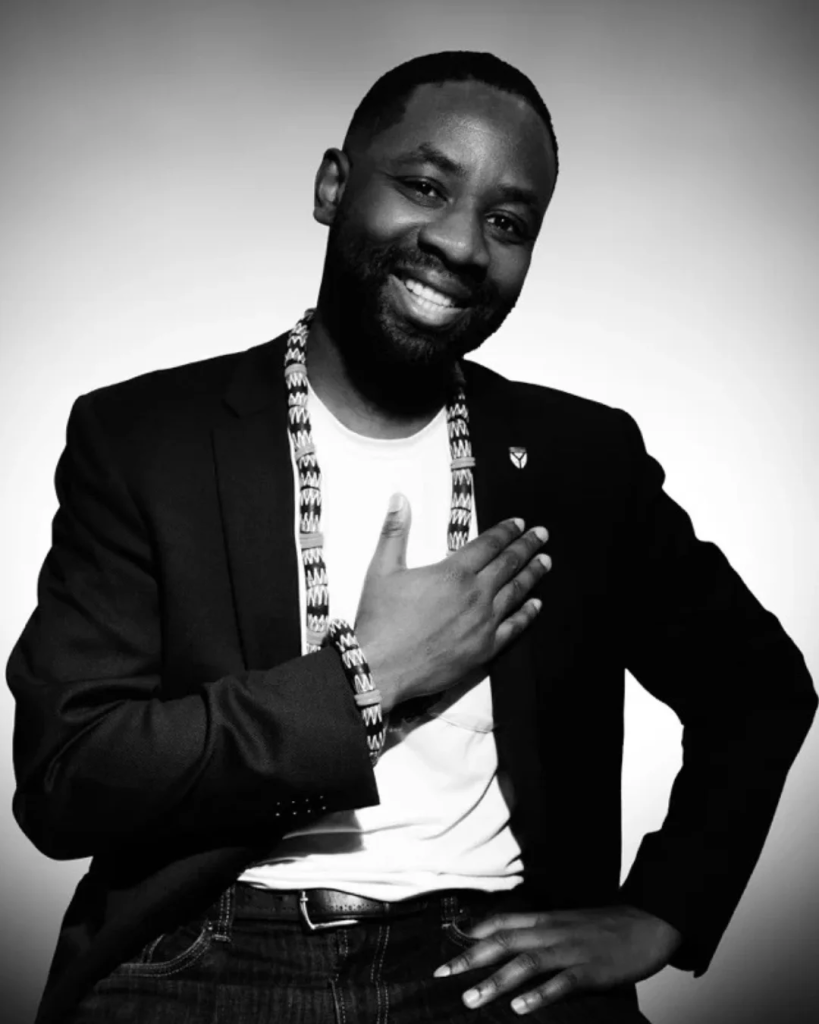
“I’m thrilled to return to the city where I spent second grade and learned French, even though it was a truncated period. But I’m super honored that part of my homecoming of sorts culminated in this recognition by both the Black, French, and English-speaking communities in Quebec,” he said.
Adjetey is also a specialist in post-reconstruction U.S. and African diaspora history.
“I trained as a historian of the United States and the historian of the African diaspora in the United States. And so I teach U.S. history at McGill and various topics related to U.S. history, as well as the history of African peoples in the Atlantic world—so Canada, the Caribbean, the African continent. And my research and my writing also focus on these particular themes or strands or threads,” he explained.
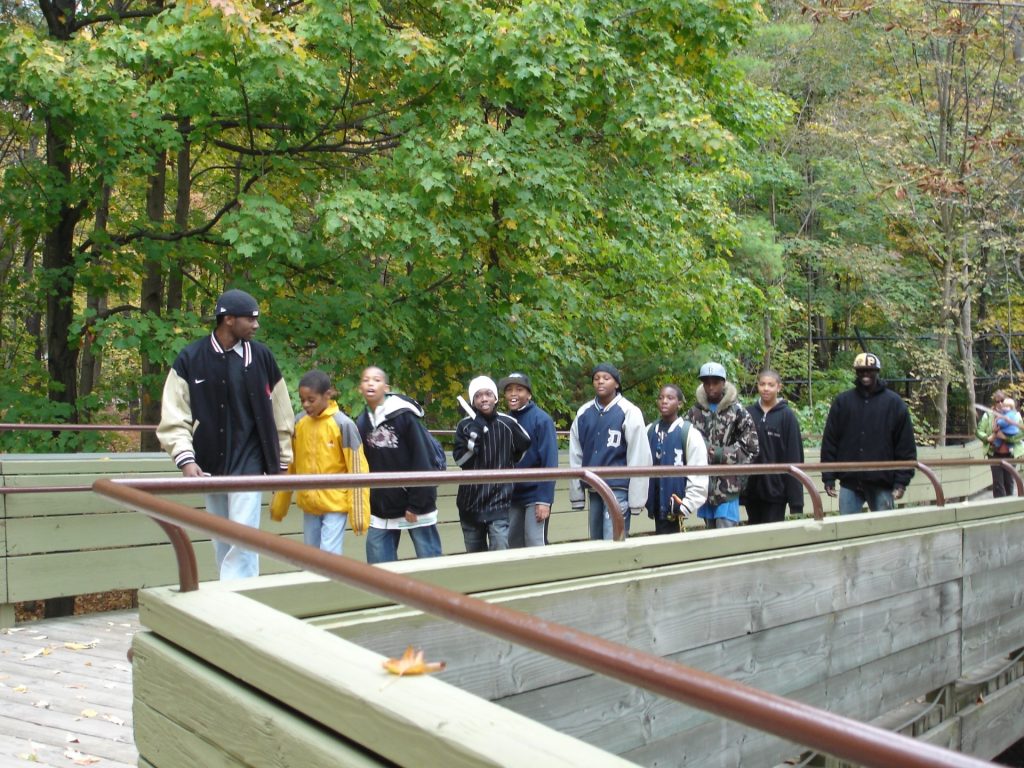
Throughout his teenage years and into his 20s, while completing his undergraduate studies at the University of Toronto and the years after, he says he’s been very much involved in community development, specifically to help youth develop a healthy sense of self.
“Using history as a tool to encourage young people to understand that they matter, that they’re worth it, that they too have very meaningful things to contribute to Canadian society. And so I’ve worked in various community organizing capacities, community mobilization. I’ve spent several years working in youth gang prevention and intervention, mostly in North Toronto. And this is work—sort of counseling work—that one never really leaves behind. So many of … the boys and then young men whom I have counseled, mentored, and on whose behalf I’ve advocated in the courts and in the school system and various institutions in Canadian society,” he said.
“I mean, these are people who still are my world, my orbit, and people who support me in many ways. And so it’s work that’s really close to my heart because I came out of that particular demographic in Ghana. I learned from my parents and elders the significance of giving back. And so it’s something that I continue to do, even though now I wear a very different hat and work in an environment that is worlds apart from parts of North Toronto, even other parts of Montreal, where young people feel forgotten, left behind.”
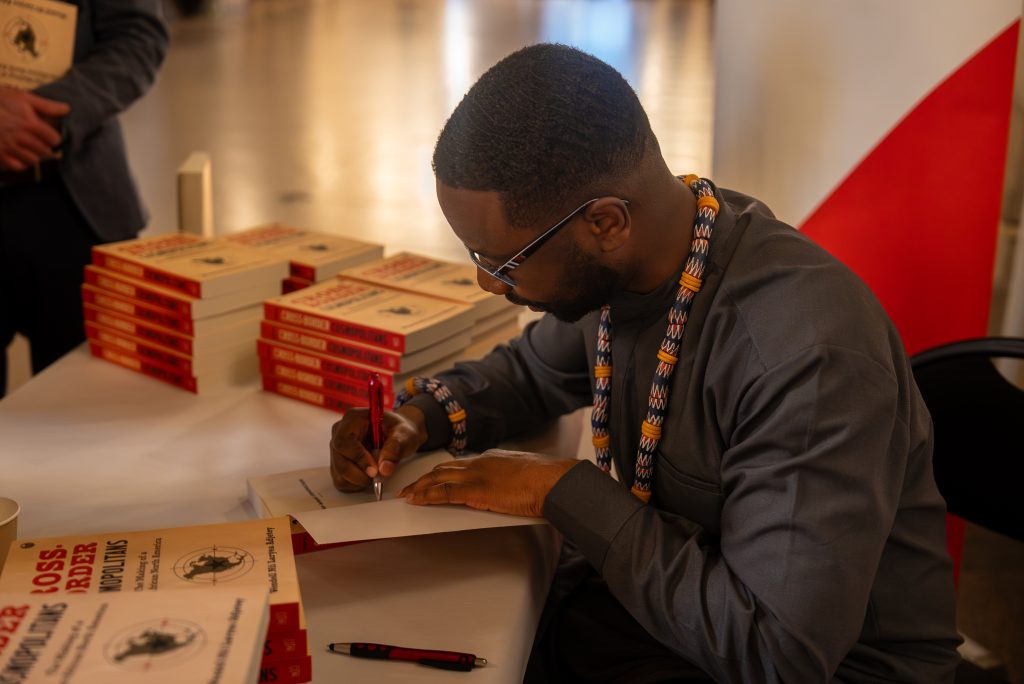
His most widely acclaimed publications include his book “Cross-Border Cosmopolitans: The Making of a Pan-African North America,” which was published in 2023. The book received some of the United States and Canada’s most prestigious awards in the historical profession.
“I’m thrilled because any time an academic writes something and it’s well received by the general public, as well as academic communities in the United States and in Canada, it’s great validation for one’s scholarship,” he said.
He adds that he recently found out he had been selected for the 2024 Governor General’s History Award for Scholarly Research, which he says is another incredible honour and something he never anticipated at all.
“I’m the first Black and visibly non-white person to have won this prize. And so it’s an honour that I share with so many of my African-Canadian community members, elders in particular. It’s a great honour that I share with my parents, who never had the opportunity to go to high school or university. And so, yeah, it’s a reminder that I always had great feelings about my journey, even as a little boy, and I’m thrilled to return and do meaningful work that is recognized and contributing to Canadian society,” he said.
Adding to his list of accomplishments, Adjetey has also been a back-to-back recipient of two of McGill’s teaching commendations: the 2023 Principal’s Prize for Excellence in Teaching and the 2022 H. Noel Fieldhouse Award for Distinguished Teaching.
Adjetey says that when he was growing up, he wasn’t really academically inclined and wasn’t motivated in school, especially in high school.
“I think I was dealing with a host of issues that boys of my particular racial background and class background often encounter in high school. So there was a lot of alienation, like, you know, gang violence, all types of things,” he said.
“I recall those moments of alienation, but I was playing varsity sports, and I was varsity captain of the baseball team and volleyball team. And so I was encouraged that way, but not in terms of my academics. I remember when I look back, like over 20 years ago, 25 years ago, teachers who really encouraged me, and guidance counselors, and sometimes teachers who were coming from completely different backgrounds than myself. But what made them special—and even … I think of my fifth-grade teacher, or my guidance counselor in high school—what made them really special was the level of empathy they showed me, without judgment. Their empathy encouraged me and reminded me, like, ‘Hey, you’re a pretty smart dude, and don’t ever sell yourself short.'”
In his new role as a member of the faculty and as a citizen in this community, he says, “It’s something that I try to impart to young people because I speak with young people all the time: never give up on yourself.”
“Don’t ever think a dream is too big. Never ever think that, like, oh, it’s impossible to change,” he said.
“The power of believing in yourself and always pushing, striving for, seeking mentors, because yeah, amazing things can happen when you show resilience,” he said.
October: Ninette Piou
October’s laureate, Ninette Piou, has a passion for promoting kindness and building skills and confidence within her community.
Since 1984, she has been working at Centre N-A Rive. At the heart of the centre’s practices are social justice and altruism.
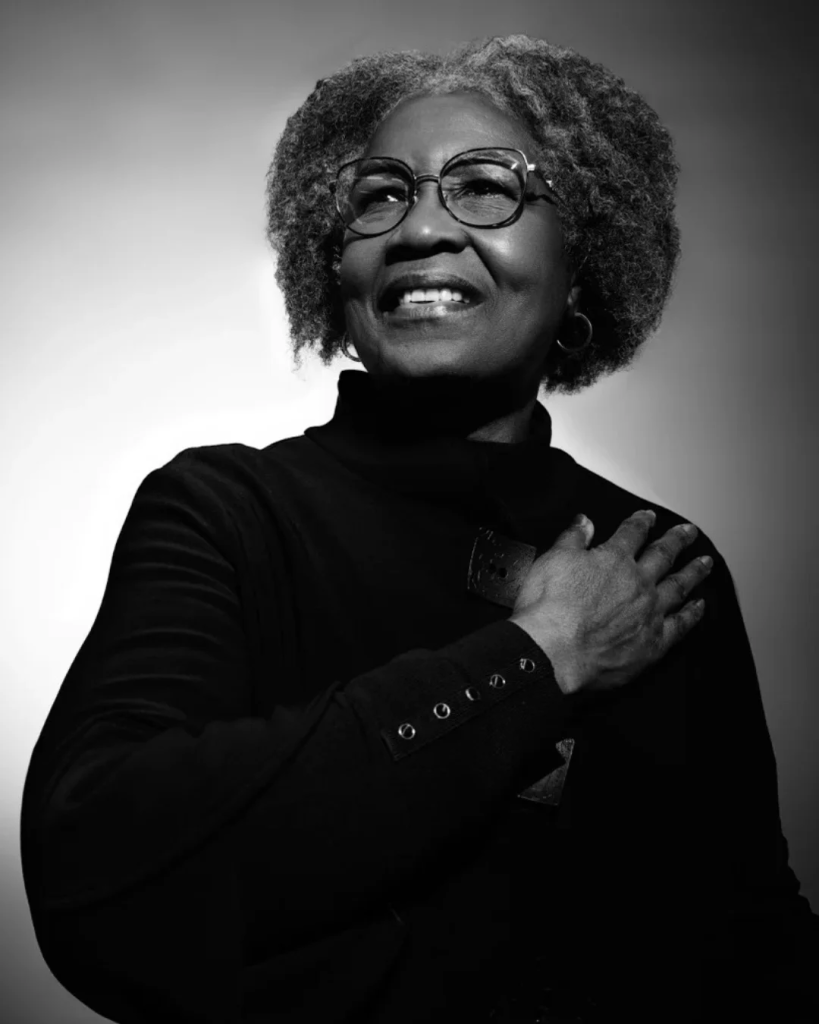
She says she was humbled and accepted being a part of the Black History Month calendar with love and pride for the centre.
“I accept for the centre and because I’m the voice of the people we support, so if it’s necessary to bring all this together and make known what’s happening at the centre,” she said.
Piou would describe herself as a passionate, committed person and says that’s why she invests herself in the centre with ardor, passion, and love, to carry it as far as possible.
“Our mission is to accompany people with low schooling, offering them activities that enable them to strengthen their capacity so that they can take their place. They have rights, but often, due to low schooling, they are not always well informed and are not in a position to defend their rights or their points of view. We aim to strengthen their ability to take their place, because they have rights, but often, due to a lack of education, they’re not well informed and are not able to exercise their full citizenship. So, that’s what I do every day,” she explained.
She explained that she makes sure the people they welcome are respected and supported so that they can get the services they need, whether it’s literacy training, because some cannot read or write, or francization. Some individuals live in Quebec, but their mother tongue isn’t French or they haven’t had the chance to learn French.
Others are mothers who want to regain their financial independence by entering the job market, so they are offered job preparation workshops.
“In Montreal, we have a lot of young people who drop out of school. So, these young people have been integrated into jobs that are successor jobs. We take them on as part of the program for all young people and reinforce the educational success of those in the regular sector who are still in school, to prevent them from dropping out and enable them to get a high school diploma. We offer them Creole-credited courses, language and culture,” she said.
Piou explained that the centre’s services are aimed at all people, regardless of the community to which they belong. “We are an open centre; we’re here to welcome people,” she said.
“We’re in Montreal, we’re all Montrealers, so let’s make this person a Montrealer, and that’s what I’m committed to doing—making sure that, operationally, things run smoothly here,” she said.
She adds that she takes an active part in the life of the district at the local level because there’s a lot of time for consultation. She follows up, and the members of the team also take part.
“Our primary mission is literacy training, so I’m on the board of directors of the Réseau des groupes populaires en alphabétisation du Québec, where we can speak out on behalf of the educationally and socio-economically underprivileged. So, I’m here to do just that. You could say it’s my daily routine,” she said.