SAAQclic fiasco: Last day of public inquiry into $500M in cost overruns
Posted October 24, 2025 3:41 pm.
Last Updated October 24, 2025 5:39 pm.
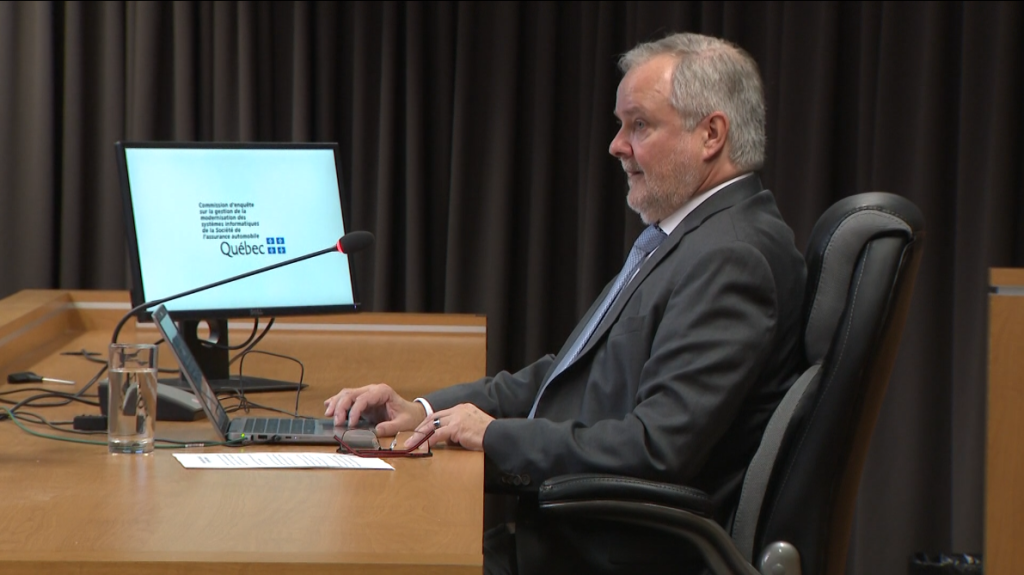
After six months and over a 100 witnesses, Friday saw the final hearing for the public inquiry into the SAAQclic fiasco.
Commissioner Denis Gallant is calling the responsibility a “heavy burden,” adding that the commission has everything it needs to deliver a slate of recommendations to the government in February.
“The commission exists so that the public can be informed about the issues that have been presented. As they are often created in the wake of a scandal or exceptional circumstances, its purpose is to reassure the public,” said Gallant.
“Despite the infernal pace to which they were subjected, I know that no stone has been left unturned, as I promised you.”
Gallant said the inquiry examined more than 200,000 documents, with over 2,500 entered into evidence.
On Thursday, the Legault government granted him a final two-month extension, giving him until February 13 to deliver his report. Gallant said the delay would allow the commission to “take a step back and carefully weigh the evidence” to make recommendations that meet public expectations.
He added those recommendations will aim to prevent another debacle like the SAAQclic modernization.
Even with the extension, Gallant noted the inquiry has moved at record speed, calling it “one of the fastest commissions of inquiry in Quebec’s recent history.”
He also highlighted the wide range of issues explored, from the origins of the CASA IT project to contracting, invoicing, accountability and the rollout of the SAAQclic platform.
The Friday session also brought in experts who urged Quebec to stop relying on private tech firms – which they say cost more – and instead invest in stronger in-house digital expertise.
“That short-term or medium-term investment can lead to significant reductions in expenditures for the state. It reduces reliance on expensive vendors, and it prevents these kinds of costly failures, which add to the cost of government,” said Amanda Clarke, an associate professor of public policy and administration at Carleton University.
They also recommend the province invest in smaller, lower-cost contracts to give the government a way out if they underperform.
“Versus what you saw in the case of the saaq’s digital transformation, where a lot of upfront planning was done, long-term kind of back-end development, and then one big-bang delivery. And we hope it works, and almost always it doesn’t,” said Clarke.
The public inquiry sought to understand what happened during the costly digital transformation of the province’s auto insurance board –— an overhaul that ballooned nearly $500 million over budget.
It even saw Premier François Legault take the stand last month, saying he only learned of the inflated price tag in February and that: “Quebecers expect there to be consequences.”
But with the commission over and an election just a year away, analysts say SAAQclic has become a lightning rod of criticism for what they call Legault’s other missteps.
“What’s coming out of this government, inefficiency, corruption, no hold on any system. Administratively they’re doing very badly in the healthcare system, in the homelessness issue,” said Eleni Bakopanos, a political analyst.
The big question now — will the fiasco stick to Legault come election time?
“He should resign because its his government. He was there when this happened,” said one Montrealer CityNews spoke to.
Another saying, “At the top when you hear ‘I dont know,’ ‘somebody else did that,’ etc. — its hard to stomach.”
While a third said, “Oh yes, it’s done. Public opinion is set in stone, there wont be any changes.”
Botched rollout in 2023
Premier Legault launched the inquiry in March after a February report by the province’s auditor general revealed cost overruns of at least half a billion dollars in the creation of the online platform known as SAAQclic.
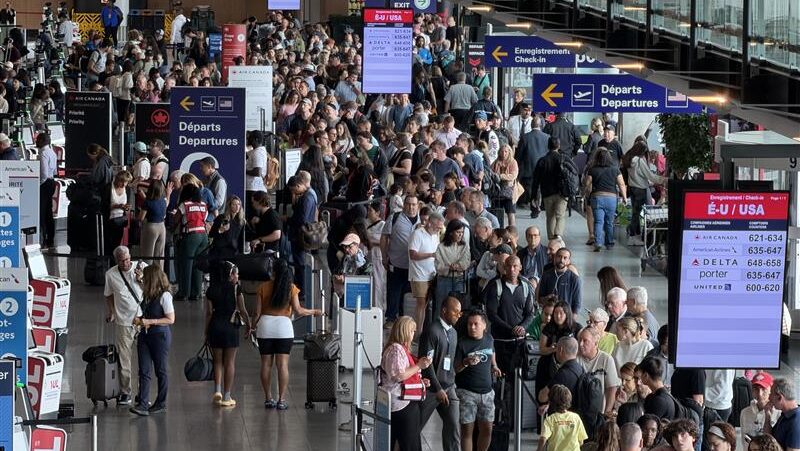
The botched 2023 rollout of the platform led to major delays and long lineups at insurance board branches, where Quebecers take road tests, register vehicles and access other services.
Éric Caire was forced to step down as cybersecurity minister following the explosive auditor report, and Quebec’s anticorruption unit has opened an investigation into possible wrongdoing.
-With files from The Canadian Press