Young Montrealer managing chronic illness with hospital support program
Posted October 29, 2025 8:58 am.
Last Updated October 29, 2025 10:39 am.
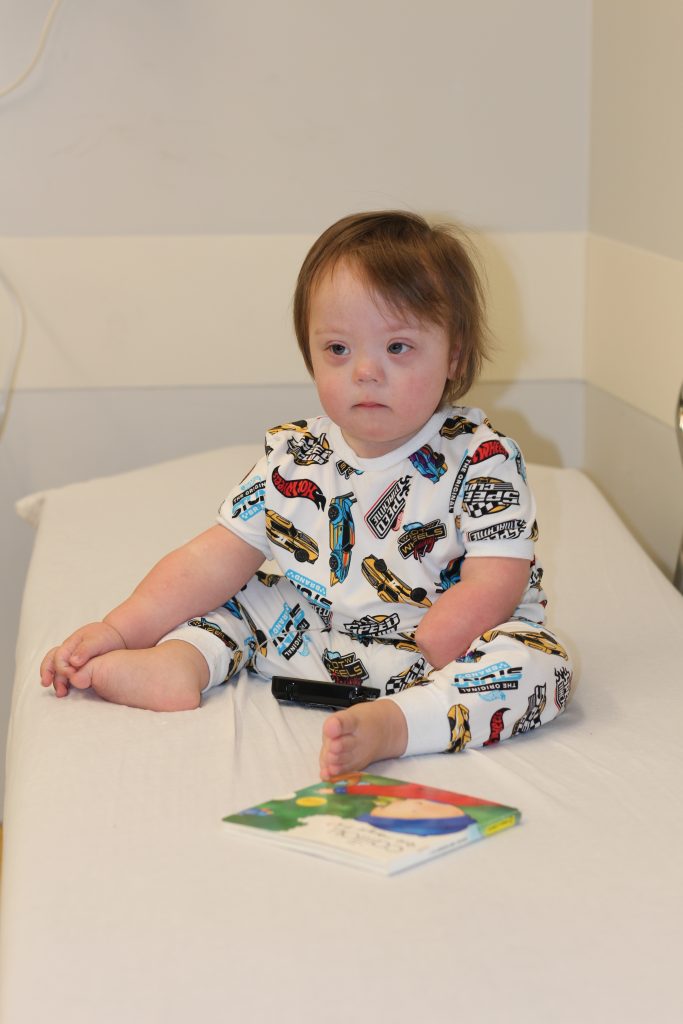
At just 13 months old, Montrealer Jérémy faced a medical crisis that changed his life forever.
Born prematurely and living with Down syndrome, he had been developing well — until one day he got a fever and began having trouble breathing. At his local hospital, doctors quickly realized that his blood sugar levels were dangerously high and his blood had become acidic — a clear sign of type 1 diabetes.
“Type 1 diabetes is one of the most common chronic conditions in childhood, and it affects about one in 300 kids. It’s an autoimmune condition that means the body’s defense system turns against our own organ instead of just fighting against bacteria, viruses, and parasites,” explained Dr. Julia von Oettingen, pediatric endocrinologist and director for the diabetes clinic at the Montreal Children’s Hospital (MCH).
“In this particular case, it attacks the beta cells of the pancreas, which are responsible for producing insulin, ” she said.
For Jérémy’s family, the diagnosis was devastating.
“It was very difficult,” said his mother, Julie Lefebvre. “We truly prayed for the miracle that our child is still with us today.”

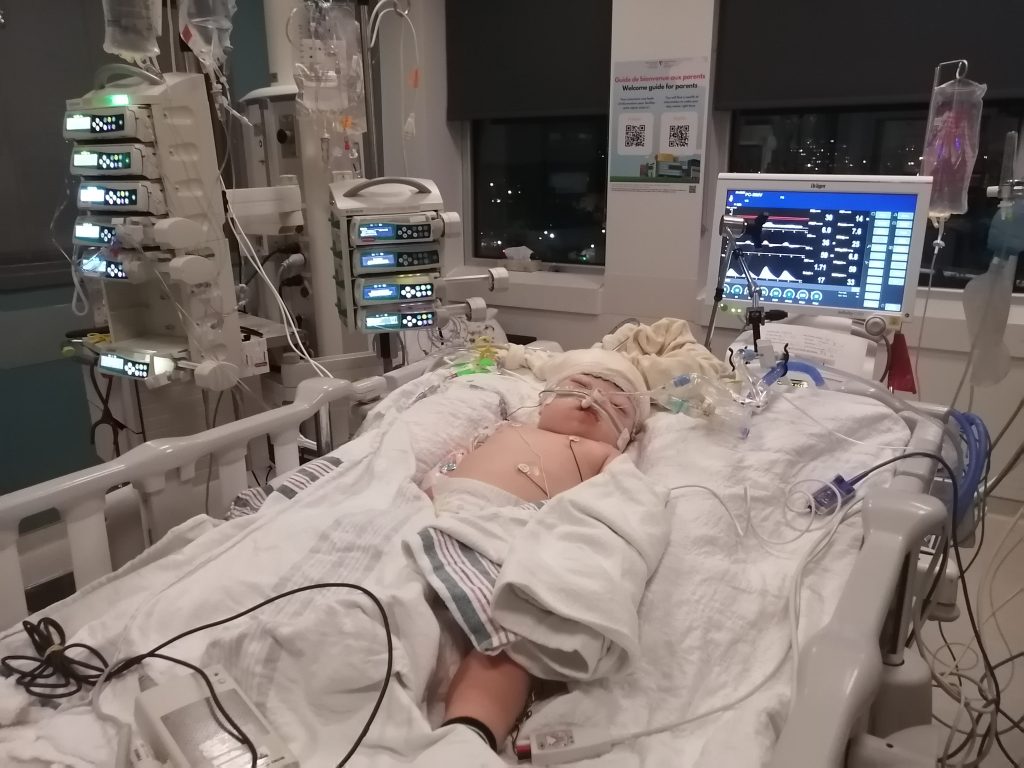
Jérémy’s condition deteriorated rapidly. He had to be resuscitated and was transferred in critical condition to the Pediatric Intensive Care Unit at the MCH, where he was placed in a coma as doctors fought to stabilize him.
Six days after his arrival, his parents faced another devastating blow: a blood clot had formed in the artery of his left hand, and his forearm had to be amputated to save his life.
“He lost his arm due to internal complications with diabetes. It was very difficult, but today he is improving with physiotherapy and hospital support,” Lefebvre said.
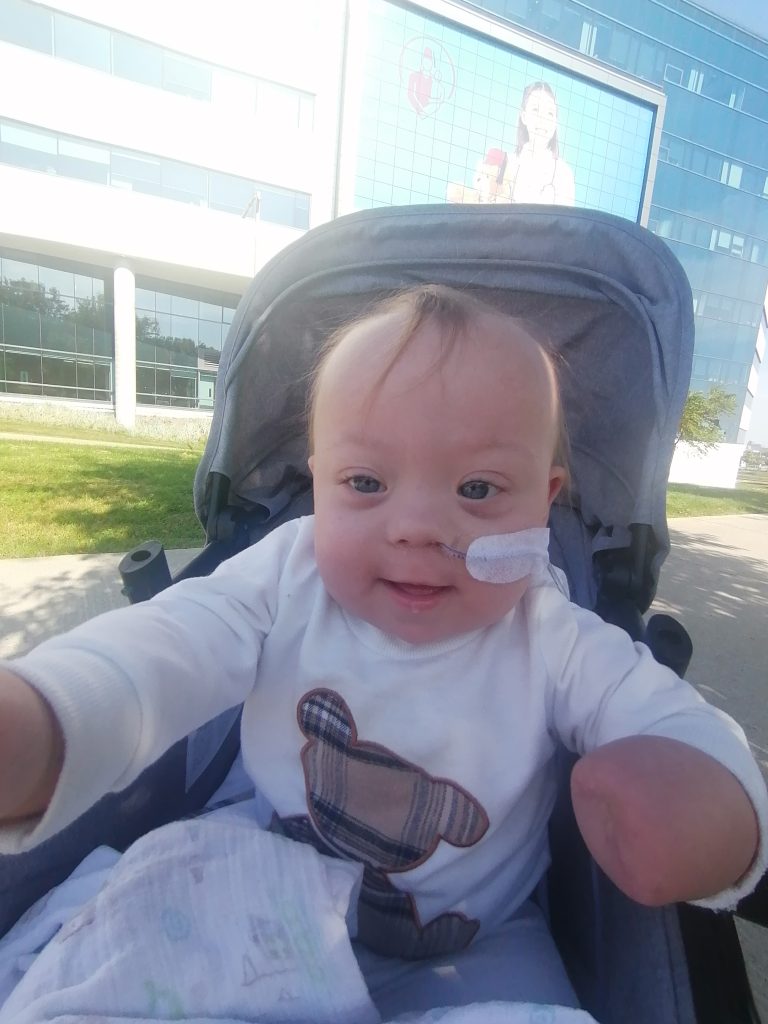
Despite the trauma and long recovery that followed, Jérémy slowly began to improve, but the journey was far from over. His family now had to learn how to manage a complex and demanding chronic illness.
Specialized support makes the difference
Managing type 1 diabetes requires constant monitoring of blood sugar and regular insulin doses. For young children, this can be particularly challenging, as their insulin needs fluctuate with growth and diet changes.
An insulin pump delivers insulin continuously through a small catheter under the skin, reducing daily injections, stabilizing blood sugar, and improving quality of life. But accessing one through Quebec’s Insulin Pump Access Program can take months.
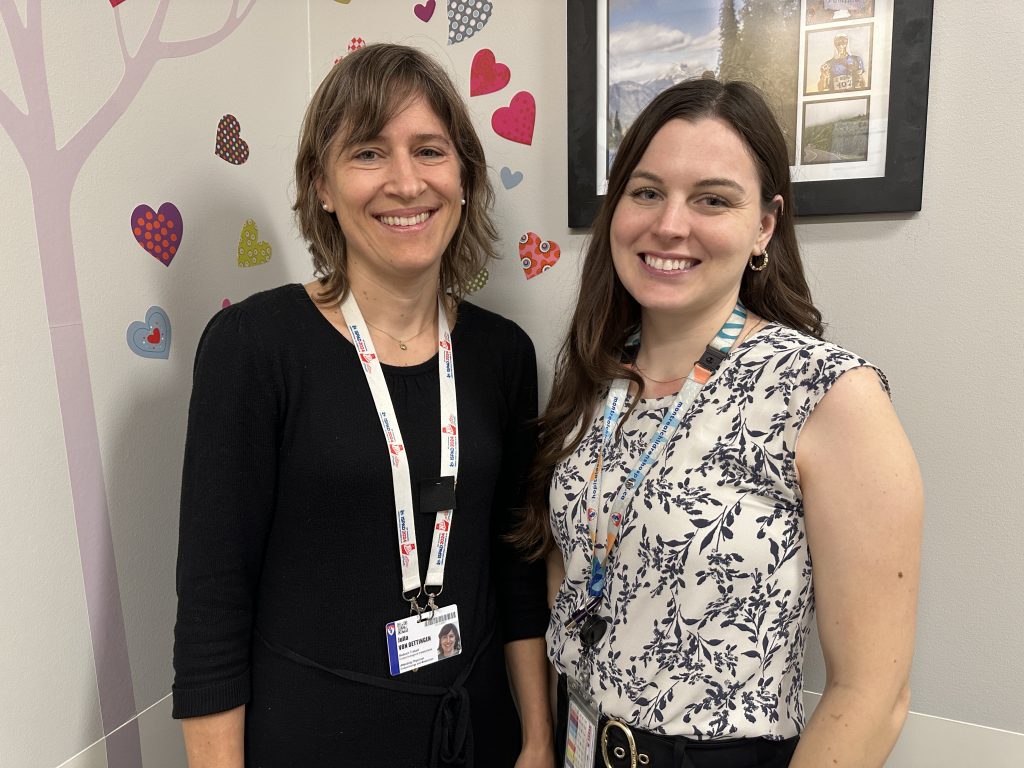
To help families, the MCH created a specialized insulin pump support program, led by pediatric nurse practitioner Sarah Tremblay-Rouleau. Tremblay-Rouleau first met Jérémy after his stay in intensive care.
“I was contacted by my team to work with this patient in order to get him on the insulin pump,” she said. “It was a really challenging thing to do because his insulin doses were so, so small. He was so sensitive to insulin that he didn’t fit the criteria that an older kid would going on the insulin pump. So I had to work in collaboration with the pump clinician at the pump company to put him on diluted insulin on the insulin pump so that he would receive small doses enough to meet his needs and not to cause low blood sugar or high blood sugar events.”
The adaptation was rare — and lifesaving.
“The insulin pump has many advantages, not only medically but also psychosocially for families. It has been proven to ease diabetes management because you have less restrictions in food intake,” Tremblay-Rouleau explained.
“When you’re on injections, you have all these limitations — you can’t take another snack like 30 minutes after you can’t take another snack like 30 minutes after your meal because then you have to take another insulin shot and that could easily go up to like six to eight insulin shots per day. On the insulin pump, you have more flexibility about when and how much you can eat. You can only imagine that a 13-month-old, which was the age of Jérémy when he was diagnosed, it’s super difficult to know when and how much they’re going to eat. So that makes it that much easier to manage on the pump,” she added.
For Lefebvre, the support from Tremblay-Rouleau made all the difference.
“I can call the hospital at any time, 24 hours a day. We have exceptional service,” she said. “It’s immense. It’s like a second family. They are experts and incredibly gentle. They guide us and support our children and us. Without them, we couldn’t do it.”
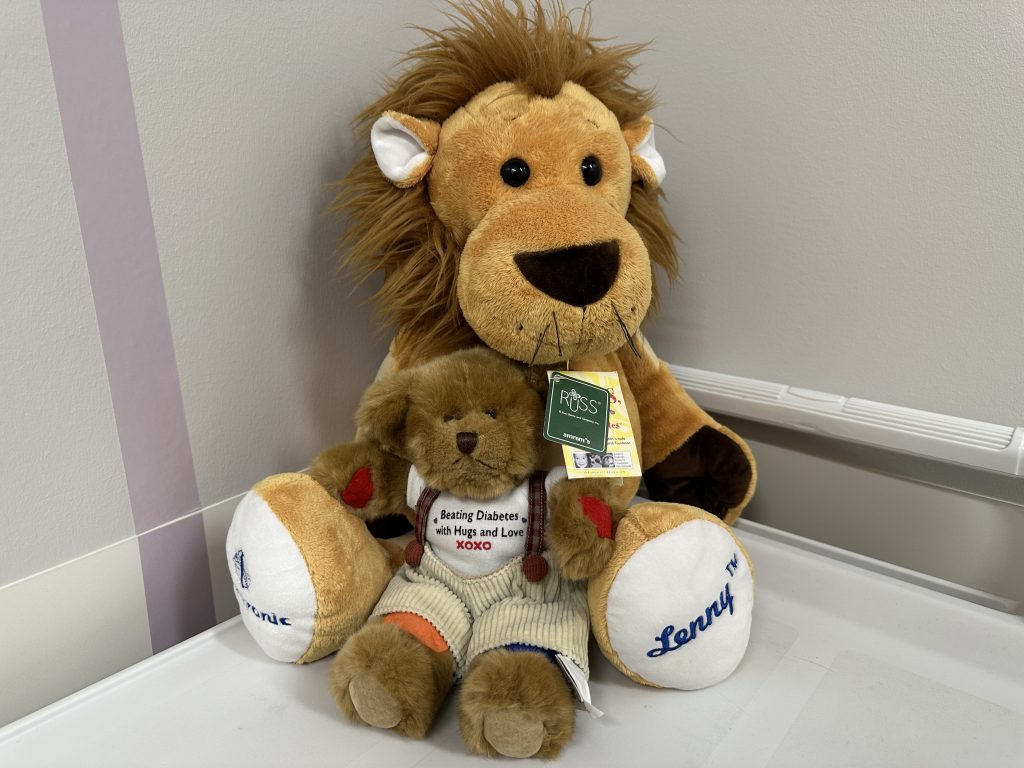
After 52 days in hospital, Jérémy was finally strong enough to go home.
Learning to live differently
Now two years old, Jérémy continues to be closely monitored by his care team. His mother carefully tracks his meals and enters carbohydrate counts into the pump to calculate insulin doses. Daycare staff can’t manage that process, so she remains deeply involved in his daily care.
“Diabetes is difficult; nothing about it is easy. It’s a daily struggle, a daily learning process,” Lefebvre said.

Tremblay-Rouleau said her team continues to provide remote follow-up, monitoring Jérémy’s insulin data several times a week.
“His HBA1C, which is follows, looks at the, I’ll say looks at the blood sugar in contact with the red blood cells over the last three months. So it’s a marker that helps us determine the control in type 1 diabetes. We’re always aiming at least below 7.5, ideally for 7 per cent. And he was always below 7.5. And for a kid that’s 13 months old, that’s absolutely amazing. So that prevents long-term complications, kidney damage, neuropathies, eye problems, nerve problems, everything like that,” she said.
Jérémy’s older sister, Maxym Rhéaume, said the diagnosis was hard on the whole family.
“It was very difficult at first because it was new for us,” she said. “We didn’t know very much about diabetes, and it was special because everything happened ans we don’t see it coming.”
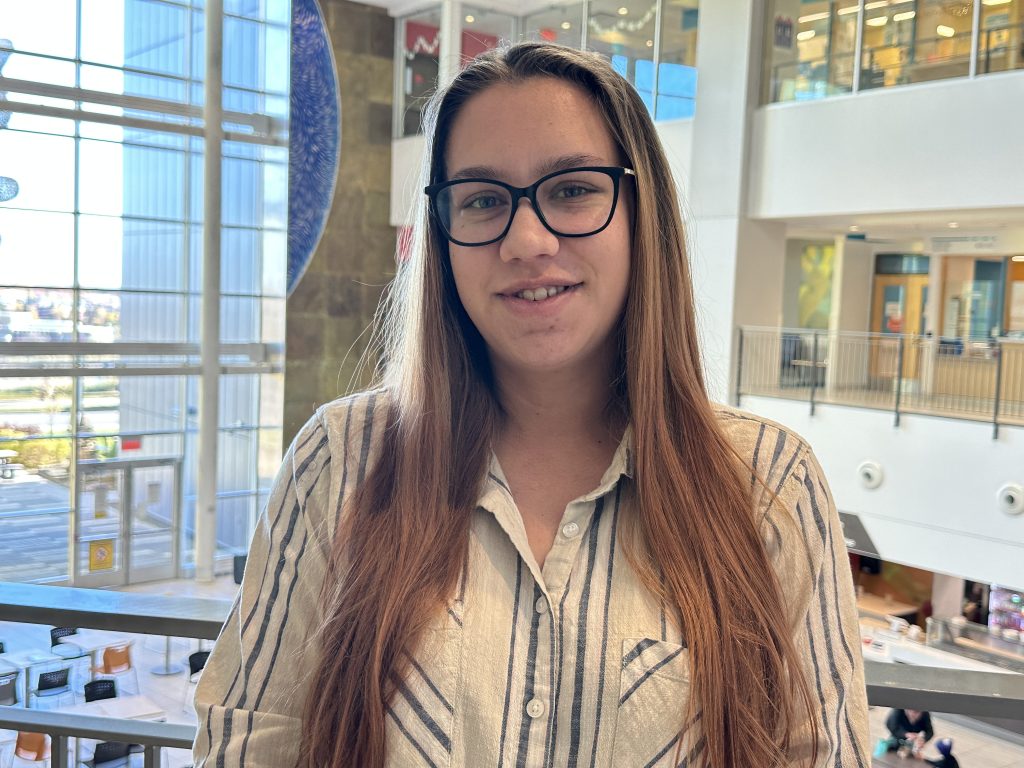
While her mother stayed at the hospital, Rhéaume cared for her younger siblings at home.
“I was in charge of my other brother at home because we were four kids at home. It was very rough at first, but the Children’s Hospital helped a lot,” she said. “We were all stressed about everything that happened, and they helped us calm down and understand that everything is going to be okay with him. They do a lot for him, and it was very nice to feel like a family with them.”
A model of compassionate care
Oettingen said the hospital’s program aims to make advanced diabetes technology accessible to every family — not just those with resources or experience.
“We’ve been fortunate to have a nurse practitioner join us a couple of years ago who’s been in charge of putting patients who are not able to go through the usual process of going onto a pump or who need to go on a pump quicker, who’s able to take on these patients and provide an individualized approach. That’s something that’s really difficult to do, but it has allowed us to make this whole process more equitable,” she said.

She explained that the program helps not only families who are familiar with technology, but also those with psychosocial challenges, language barriers, or very young children who need a pump quickly.
Families like Jérémy’s, she noted, demonstrate the importance of staffing and ongoing support.
“A patient like Jérémy, he was able to get a pump at diagnosis because we have a nurse practitioner who was able to put them on a pump, but we only have one nurse practitioner for 1,000 patients. If we were to offer this to every family, we would need at least three, four nurse practitioners or at least increase our numbers from two to seven nurses, for example,” Oettingen added.
Jérémy’s story is one of resilience — not only his own, but also that of his family and the medical professionals who helped them through one of the most difficult experiences imaginable.
“There are no words powerful enough to express our gratitude. Everyone at the hospital, from the maintenance staff to the nurses, every single person here plays an important role. It’s incredible,” Lefebvre said.
Today, thanks to their combined efforts and the resources of the insulin pump program, Jérémy is adapting to life with his condition — one step at a time.