Pee to power: McGill researchers convert human urine into electricity
Posted February 18, 2026 8:44 am.
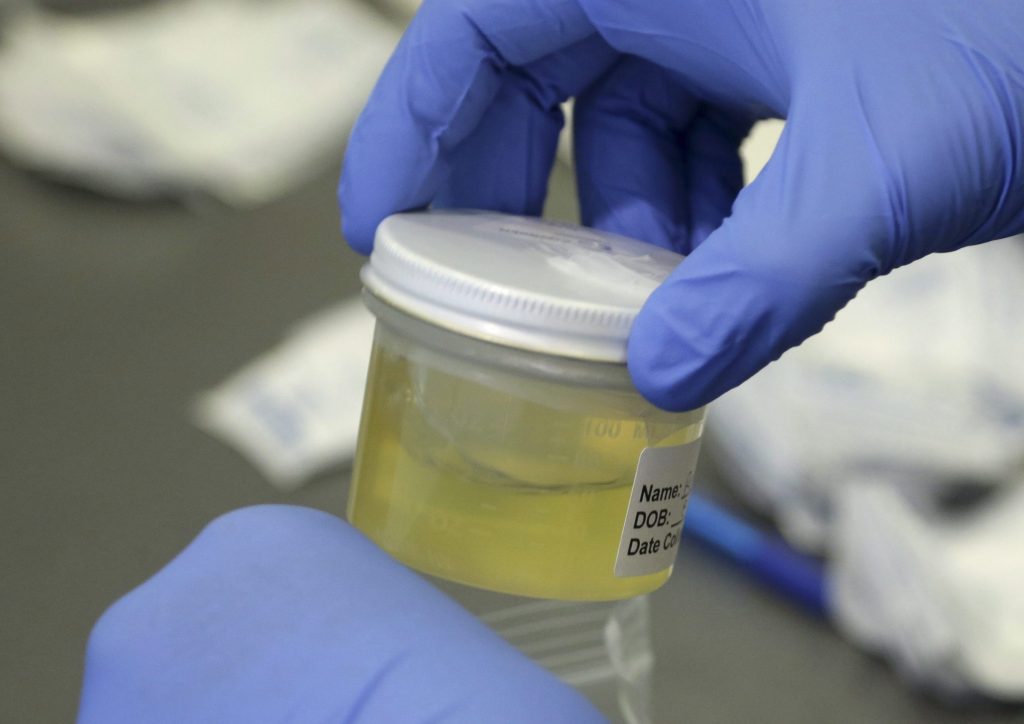
Researchers at McGill University have found a way to improve the efficiency of a method for converting human urine into electricity.
Adults produce approximately 1.5 liters of urine per day.
This abundant and inexpensive material could be used to generate energy from wastewater.
To convert urine into electricity, researchers at McGill University have been working on a method that uses microbial fuel cells, which use bacteria to convert organic waste into electricity.
“We know that microbial fuel cells clean wastewater and produce electricity, but the precise effects of different urine concentrations on their electrochemical function, their effectiveness in removing pollutants, and the behavior of microbial communities are still unknown,” explained Vijaya Raghavan, co-author of the study and professor of bioresource engineering, in a press release.
High urine concentration associated with better production
To try to answer these questions, Raghavan’s team designed four different “dual-chamber microbial fuel cells” which they fed with mixtures of synthetic wastewater and human urine at concentrations of 20 per cent, 50 per cent, and 75 per cent.
The team then tested the batteries for two weeks, checking energy production, pollutant removal, and water treatment, and conducting electrochemical tests.
It turned out that batteries containing the highest concentrations of urine, from 50 to 75 percent, were associated with better electricity production.
“Urine contains essential ions and organic compounds that enable rapid microbial activation, which improves energy production and pollutant degradation,” Raghavan explained in a statement.
The batteries designed by the scientists during the experiment contained a mixture of bacteria, but the researchers “found that the genera Sediminibacterium and Comamonas were dominant.”
These bacteria were present “in greater quantities when urine accounted for 50 per cent of the mixture, while bacteria of the genus Comamonas were more prevalent at higher urine concentrations (75 per cent).”
The amount of urine added to the batteries would influence the types of microorganisms that grow and the efficiency of the system, according to the researchers.
“Using urine as a resource promotes sustainable sanitation and nutrient recovery, thereby reducing pressure on freshwater systems,” according to Raghavan, who sees these results as a milestone toward “an improved circular economy.”
According to a press release issued by the Montreal university, the method “could be used for clean energy production in contexts such as rural sanitation, disaster relief camps, and off-grid communities.”
Microbial fuel cells could also be used as low-cost biosensors to monitor wastewater quality.
–This report by La Presse Canadienne was translated by CityNews