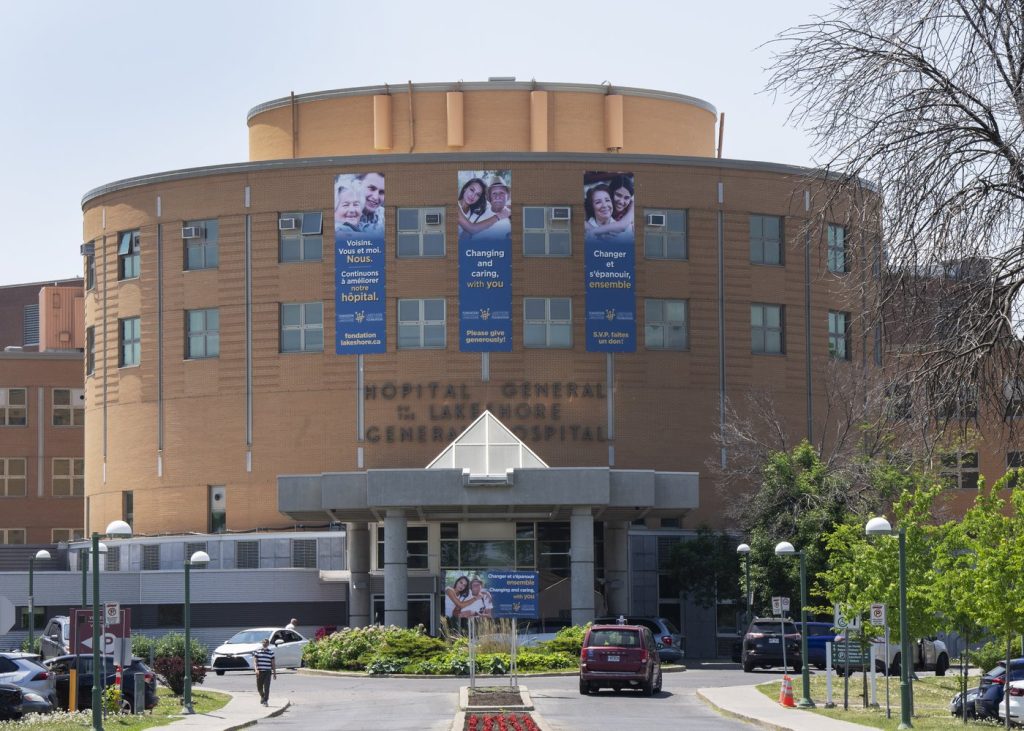
Lakeshore General ER tops Quebec for ER wait times
Posted April 20, 2026 11:40 am.
Last Updated April 20, 2026 5:40 pm.
New figures released by Santé Québec highlight significant strain on emergency departments across the province, with Lakeshore General Hospital’s emergency room showing some of the longest average wait times in Quebec for 2025–26.
Emergency patients at the Lakeshore wait more than 60 per cent longer than the average time in Quebec.
“The wait lines are very long. There’s so many people and not enough staff,” one patient told CityNews.
According to the data, patients at Lakeshore General spent an average of approximately 26.5 hours on a stretcher before being admitted or discharged. That’s compared to the 16 hours and 46 minutes recorded on average across the province.
While the numbers place Lakeshore among the highest in wait-time averages, hospital activity data and regional health conditions help explain the pressures behind the figures rather than pointing to a single cause.
One major factor is the hospital’s patient demographic. Roughly 46 per cent of emergency room visits involve patients aged 75 and older — 14 per cent higher than the provincial average. Elders typically require more complex assessments, longer treatment times, and a higher likelihood of hospital admission, which increases stretcher occupancy and slows patient flow through the emergency department.
In a statement to CityNews, CIUSSS de l’Ouest-de-l’Île-de-Montréal said: “In a context of significant pressure in the emergency department of the Lakeshore General Hospital, our teams are fully mobilized and improvements are underway to reduce delays for patients.
“In concrete terms, we deploy contingency plans in times of overcapacity, ensure daily medical reassessment of patients on long waits and optimize specialized consultations. We have also strengthened home care and added the presence of a geriatric team dedicated to emergencies. These measures help to better orient patients, reduce avoidable admissions, and improve overall flow.”
Health officials also point to broader system-wide challenges. Limited availability of home care and community support services for seniors means many older patients arrive at emergency rooms when their needs might otherwise be managed outside of hospital settings. Improving these services, officials suggest, could ease pressure not only on Lakeshore General but on emergency departments across Quebec.
In a statement to CityNews, Santé Québec said: “Overall, Santé Québec is satisfied with the performance of its emergency rooms. Thanks to the commitment and sustained efforts of the teams, we have achieved – or are very close to achieving – the targets for emergency performance.”
Santé Québec says ER visits dipped around three per cent last year across the province. That’s an effort the government has been trying to make ever since announcing last month that it wants more people turning to CLSCs first — instead of ERs.
“We will ensure that CLSCs once again serve as a physical point of entry for primary care for everyone who needs it,” said Quebec Health Minister Sonia Bélanger on March 27.
But there was a five-year high in the amount of elderly patients – just over one-third of all visits.
“It was very hard to see people there just waiting, older people there for a long time,” one person at the Lakeshore told CityNews.
Patient advocate Paul Brunet says better care at home could ease that pressure.
“We could cut, diminish the number of elders being admitted if we followed them better at home,” Brunet said.
“If you lower by hundreds of thousands the number of patients who still end up at emergency ward, including Lakeshore, you will diminish the pressure.”
Staffing shortages and increased demand for emergency care have also contributed to longer wait times. Like many hospitals across the province, Lakeshore has had to manage fluctuating resources while continuing to serve a high volume of patients with increasingly complex needs.