Online therapy proving effective in reducing insomnia in Montreal seniors
Posted June 8, 2026 7:12 am.
Last Updated June 8, 2026 7:13 am.
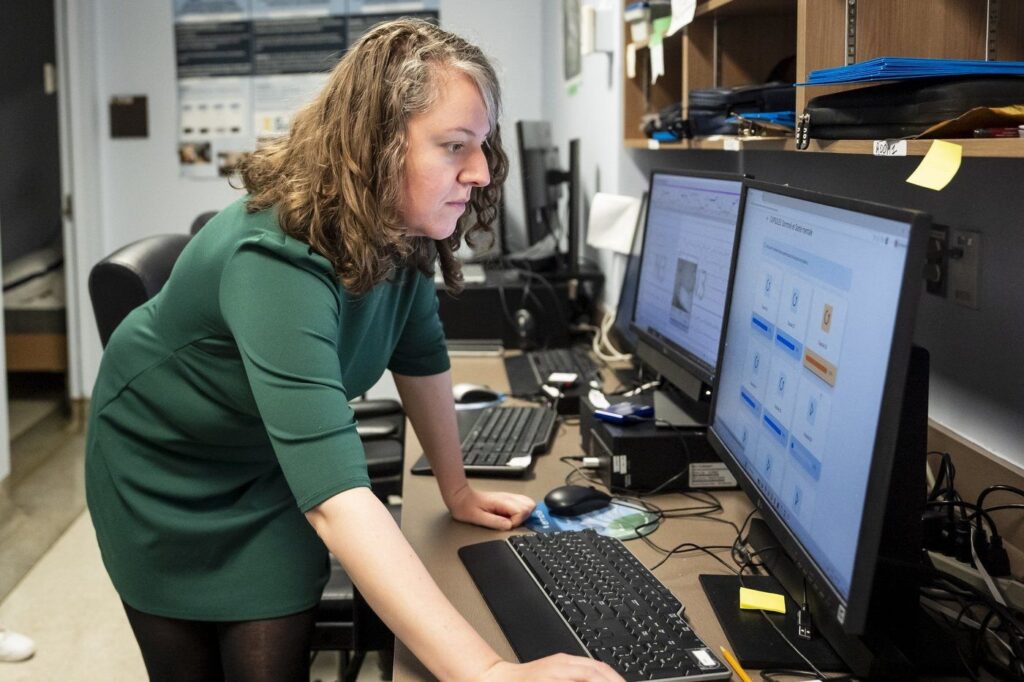
Seniors tend to experience more sleep problems, as sleep naturally becomes more fragile with age. The Research Centre of the Montreal Geriatric University Institute (CRIUGM) has developed an online therapy to manage both sleep problems and anxiety in older adults.
The results of the study, which were published in the scientific journal Age and Ageing, show a decrease in insomnia, more specifically an 11.46 per cent improvement in sleep efficiency.
The results are based on the self-reported sleep quality of the 80 study participants. Half of them showed a clinically significant improvement, defined as a decrease of at least seven points in their insomnia severity score. Furthermore, five participants were considered to be in remission, meaning they no longer suffer from insomnia.
The patients in the study underwent online therapy modeled on cognitive behavioral therapy (CBT), a first-line treatment that blends psychoeducation and behavioral strategies.
The online therapy lasts approximately two months, similar to traditional CBT. However, patients can progress at their own pace. “We’ve had quite positive feedback from participants about this, about being able to do it at their own pace and having the option to go directly back and review the necessary information,” says Mathilde Reyt, lead author of the study and researcher at CRIUGM.
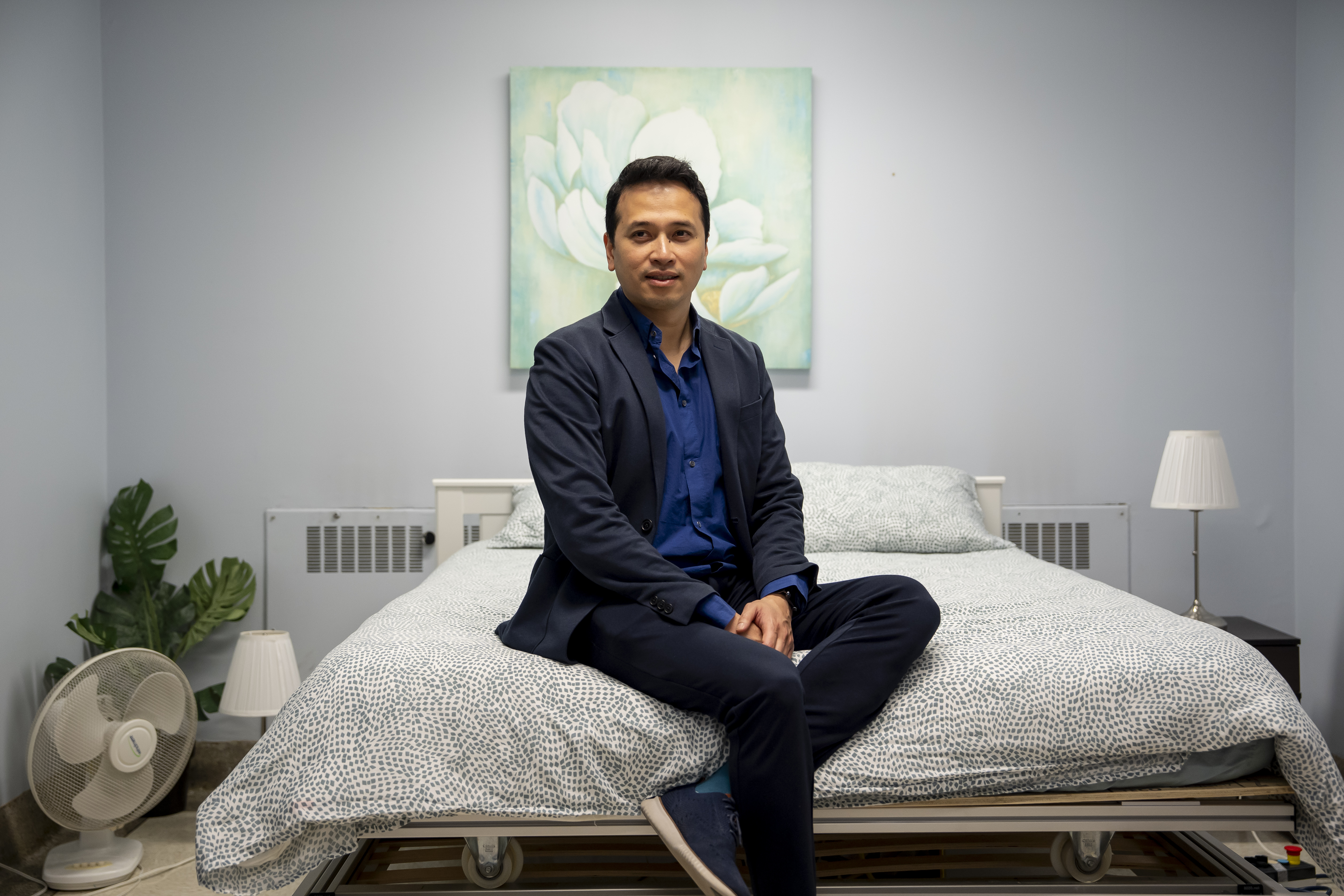
To participate in the online therapy, people log on, watch short videos, and at the end of the sessions, they have small homework assignments to complete. For example, reducing their sleep time, which may seem paradoxical for someone suffering from insomnia. “This is what works best,” says Dr. Thien Thanh Dang-Vu, a neurologist specializing in sleep medicine and a clinical researcher at CRIUGM.
“We know that people who suffer from insomnia often tend to spend long hours in bed without sleeping,” he explains. “This contributes to perpetuating insomnia because when you’re unable to sleep in bed for a long time, you toss and turn, then you get frustrated. A negative pattern really takes hold. So the advice is to try getting out of bed when you can’t fall asleep and to limit your sleep window to a duration close to the amount of time you expect to sleep.”
He explains that the therapy is personalized based on a calculation module that will suggest a sleep window according to the questionnaires they have filled out.
Sleep is linked to maintaining autonomy
Dr. Thanh Dang-Vu emphasizes the importance of sleep for the health of the elderly. “We know that people who have insomnia have an increased risk of depression, anxiety, but also of having heart problems, high blood pressure, diabetes, and even an increased risk of developing cognitive problems with age,” he explains.
“That’s why we now know that insomnia is a target for intervention that is particularly important to aim for because if we don’t, there is an increased risk of developing these diseases,” adds the neurologist.
He explains that older people who suffer from insomnia often complain of a lack of concentration and energy. They then tend to become more sedentary and isolated. Sleep is therefore linked to quality of life and maintaining the independence of seniors.
Dr. Thanh Dang-Vu acknowledges that online therapy does not replace the need for a psychologist or doctor, but it does allow people to access scientifically validated solutions. “It’s really about trying to make this accessible to as many people as possible, as a complement to the healthcare system, which is unfortunately deficient in terms of mental health, psychological health, and medical health in general,” he says.
On the other hand, Reyt says she is pleased with the improvement in sleep among the study participants. “We compared it with other online therapies that have also been published in other countries. Until now, there was only one that focused on older adults. And when we compare our results with the results of other therapies, we are also seeing similar effect sizes. So, our therapy seems to have the same effect as other online therapies that are offered, except that we are the only ones so far to have truly linked sleep and anxiety,” she explains.
The second phase of the study will assess whether online therapy also improves memory. Phase three involves deploying this digital tool on a large scale, but its feasibility will depend on funding. “If we receive support, whether philanthropic or public, that allows us to maintain this platform, we will be very happy to deploy it free of charge to all seniors in Quebec or Canada,” concludes Dr. Thanh Dang-Vu.
—The Canadian Press’s health coverage is supported by a partnership with the Canadian Medical Association. The Canadian Press is solely responsible for this journalistic content.
–This report by La Presse Canadienne was translated by CityNews