Quebec National Assembly adjourns for summer, parties gear up for October election
Posted June 12, 2026 4:17 pm.
Last Updated June 12, 2026 5:53 pm.
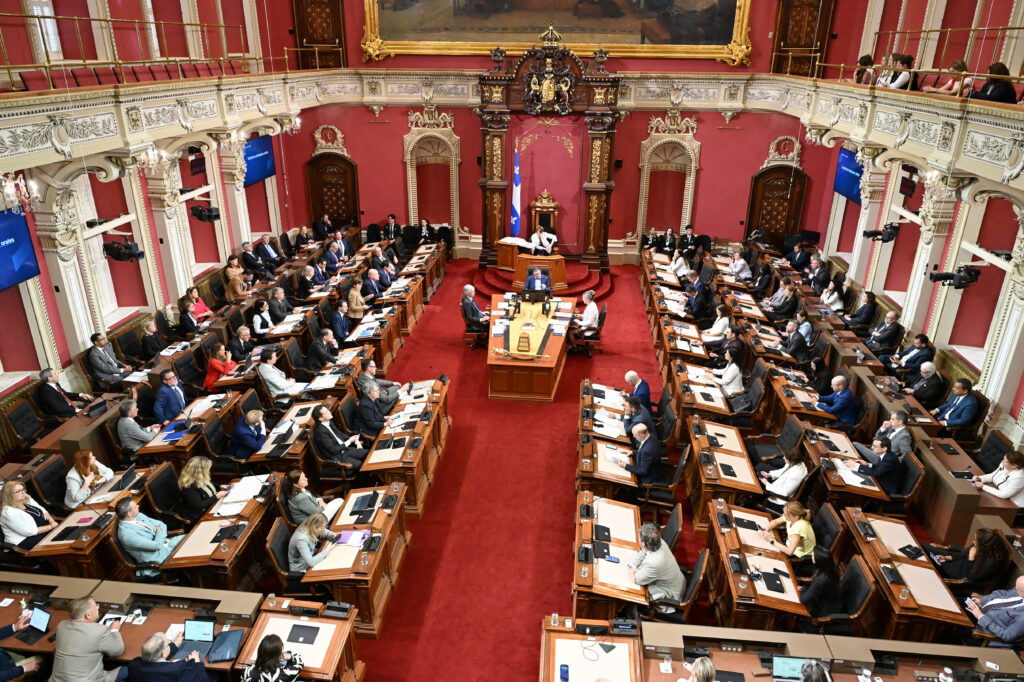
Quebec’s National Assembly adjourned Friday for its summer break, bringing an end to a turbulent legislative session and clearing the way for political parties to focus on the Oct. 5 provincial election campaign – set to launch at the end of August.
Party leaders used the final sitting day to reflect on the spring session and outline their priorities as Quebecers prepare to head to the polls in less than four months.
Premier Christine Fréchette, who was sworn into office 58 days ago following François Legault’s departure, said her government had focused on delivering results for Quebecers during a period of uncertainty.
“Fifty-eight days ago, I was officially sworn in as premier of Quebec,” Fréchette told the legislature. “During my swearing-in ceremony, I made a clear commitment to all Quebecers faced with uncertainty, I decided to focus on their priorities and deliver results.”
The adjournment came after a final legislative push in which lawmakers raced to deal with a backlog of bills before the summer break. At the start of the week, 19 pieces of legislation were still awaiting approval.
Among the most significant measures adopted was the Gabie Renaud Law, which will allow individuals to request information about a current or former partner’s history of violent behaviour when there are safety concerns.
Lawmakers also passed Bill 9, making Quebec the first jurisdiction in Canada to prohibit the sale of energy drinks to anyone under the age of 16.
Other legislation approved in the final days of the session included measures aimed at regulating ticket resale, reducing regulatory burdens for businesses and expanding the criteria for involuntary hospitalization during mental health crises through Bill 23.
Not all government priorities crossed the finish line. The CAQ government’s proposed Quebec Constitution failed to complete the parliamentary process before the legislature adjourned.
Daniel Tran, director of communications and governmental relations at Casacom and political analyst, described the session as a “big roller coaster.”
“There are bills that need acceleration, but there are also bills that need time to make sure that we turn every stone to ensure there is no impact on the population,” Tran said.
In her closing remarks, Fréchette thanked members of all parties and paid tribute to departing legislators, including former premier François Legault, who is leaving politics after 28 years, and former cabinet minister Éric Caire, who is stepping down after 19 years.
“This is the moment to express all our pride in living in our beautiful Francophone nation,” Fréchette said.
Opposition leaders used the final sitting day to position themselves ahead of the election campaign.
Parti Québécois Leader Paul St-Pierre Plamondon said he hopes anglophone voters will assess his party based on its policies rather than old perceptions about sovereignty.
Quebec Liberal Party Leader Charles Milliard acknowledged there is room for improvement as he seeks to build support among voters, while Québec solidaire co-spokesperson Ruba Ghazal said she believes her party’s proposals will resonate with Quebecers.
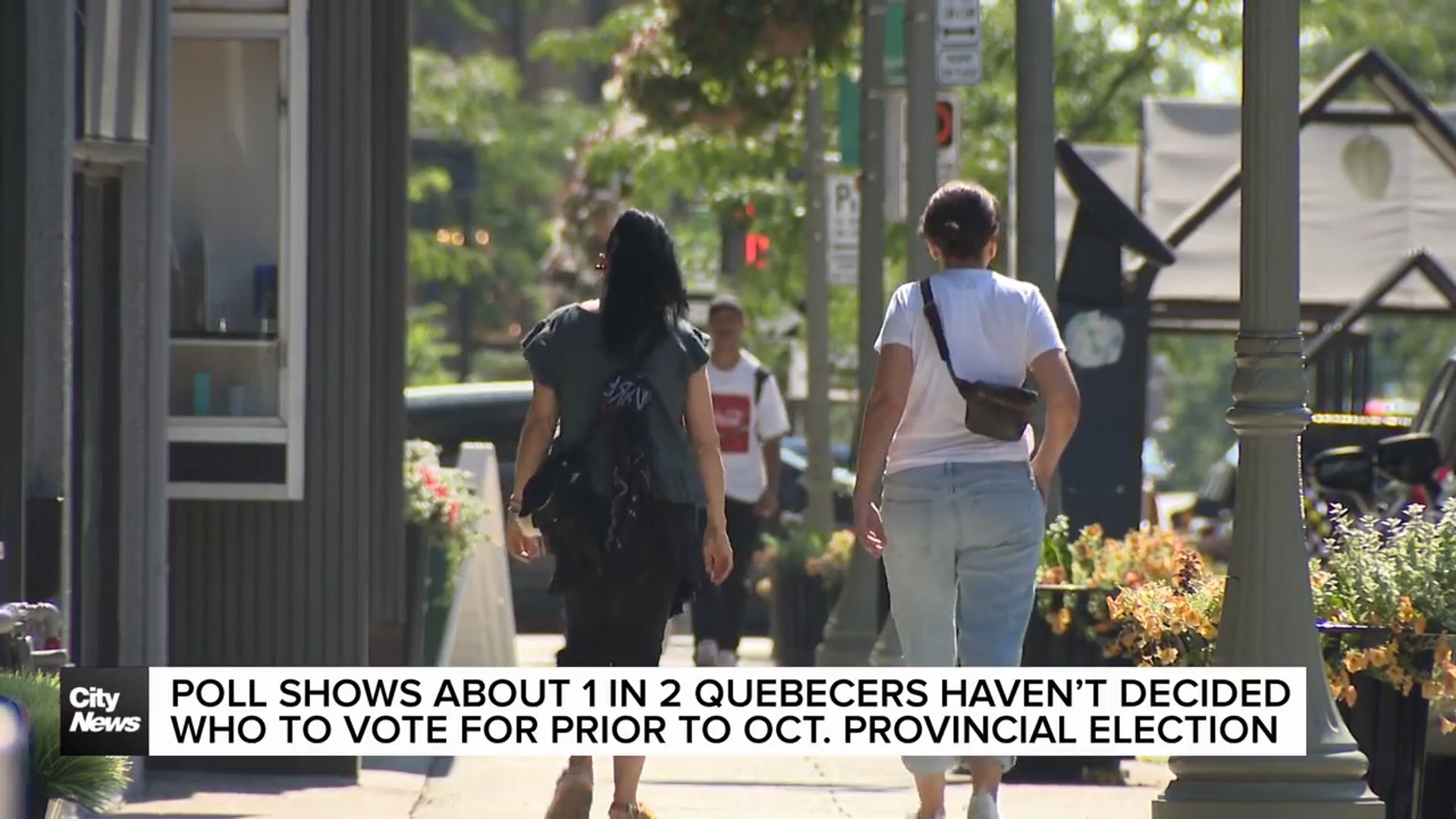
Outside the National Assembly, some Quebecers expressed a mix of optimism and uncertainty about the coming election.
Cédric Leveille said he was encouraged that lawmakers managed to pass some legislation before the end of the session.
“At least they were able to pass some laws and do some things before the end of the session,” he said. “Better than nothing.”
Others were already looking ahead to the election outcome.
Tamir Ben-Eli said he believes the Parti Québécois could emerge victorious, though he is uneasy about that possibility and disappointed with the Liberals’ relationship with anglophone voters.
“I feel they betrayed Anglophones, I mean, I’d probably vote liberal but not so enthusiastically” said Ben-Eli.
Shalani Bel said she hopes to see a change in government, arguing the current administration has not adequately represented English-speaking Quebecers. “I feel that they attack English-speaking Quebecers and so I hope that they will not be in power anymore.”
Gabriel Safdie described his feelings heading into the campaign as a combination of anticipation and anxiety.
Recent polling suggests the race remains competitive among the CAQ, Parti Québécois and Quebec Liberals, though analysts note voter intentions remain far from settled.
“The vote for the PQ is not necessarily crystallized, so a lot of things can happen,” Tran said.
With the National Assembly now empty for the summer, Quebec’s political parties are expected to spend the coming months campaigning across the province before voters head to the polls on Oct. 5.