Construction holiday begins with deadly toll on Quebec roads and waterways
Posted July 20, 2026 10:20 am.
Last Updated July 20, 2026 5:39 pm.
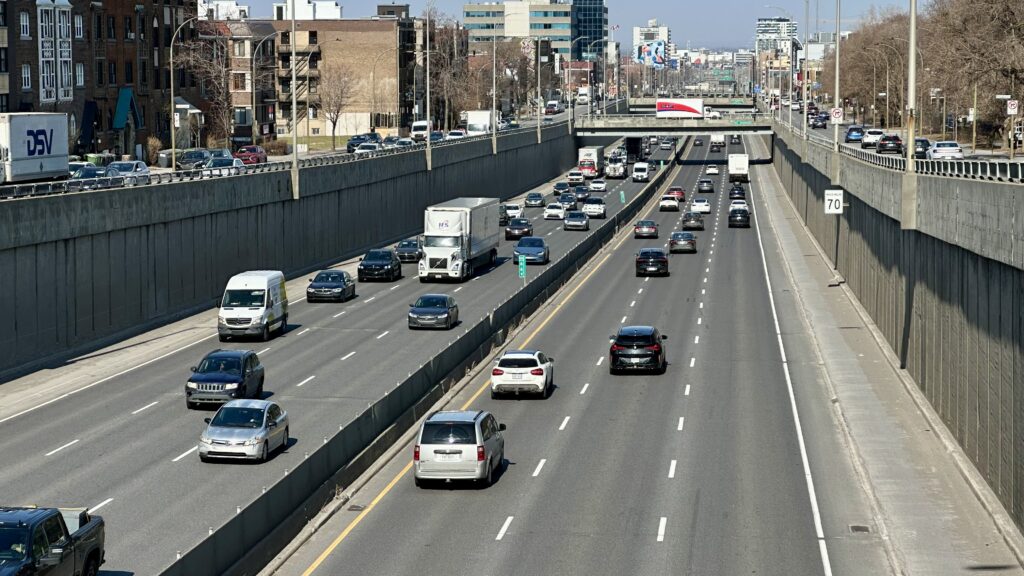
Quebec’s construction holiday is off to a deadly start, with fatal crashes and drownings already claiming lives in the opening days of what safety officials warn is one of the most dangerous periods of the year.
Provincial police say at least six people were killed in three separate road crashes between Friday and Sunday, while additional fatal collisions investigated by municipal and Sherbrooke police have pushed the overall death toll to at least eight.
Road safety advocates say the troubling start mirrors last year’s historically deadly construction holiday, underscoring the devastating consequences that can stem from a single decision behind the wheel.
“The only thing that is urgent to do on vacation is to take your time,” said André Durocher, director of the CAA-Quebec Foundation for Road Safety.
A weekend of tragedy
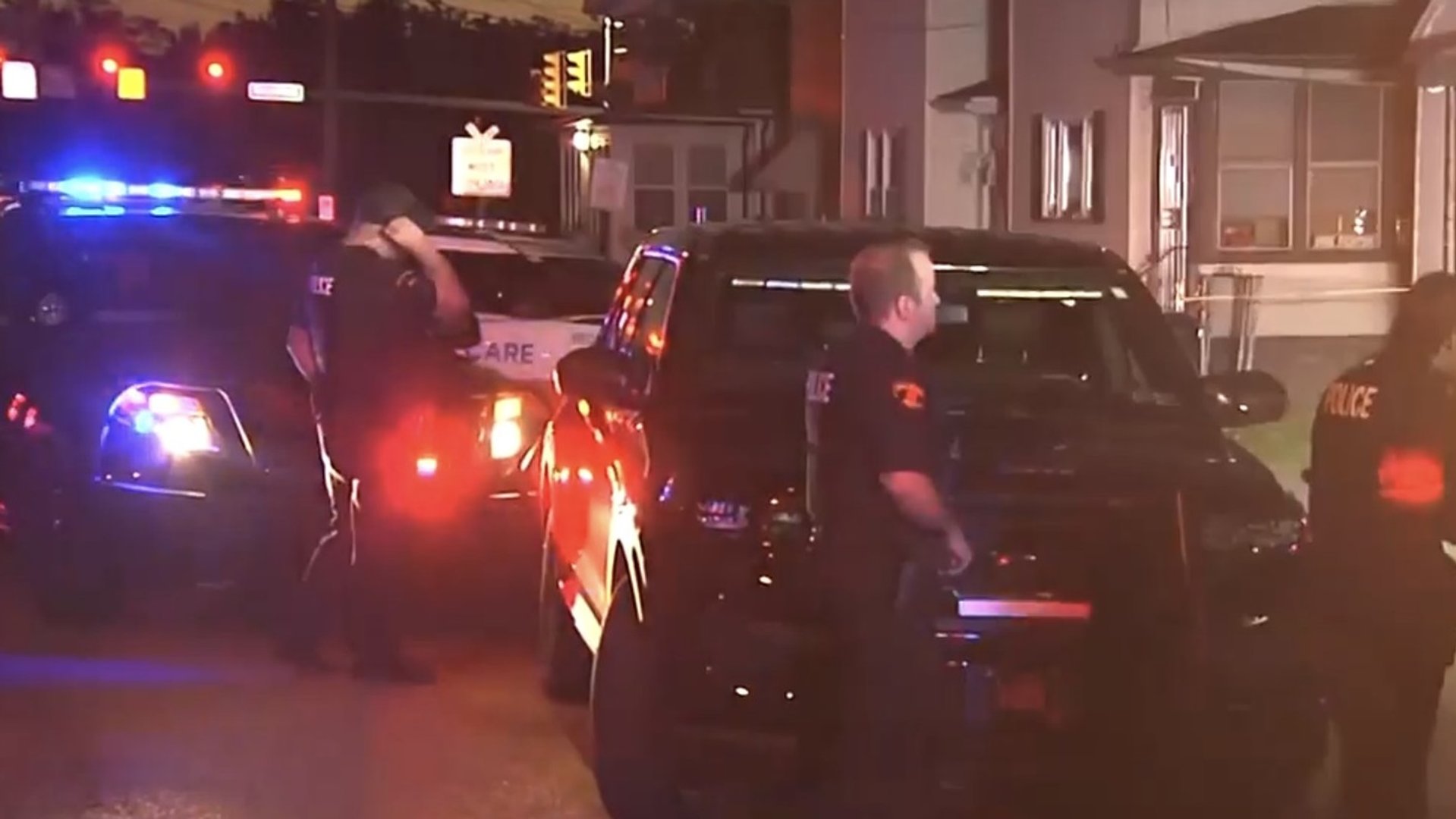
The deadliest crash occurred Friday afternoon in Lantier, in the Laurentians, where three people — two adults and a child — were killed in a head-on collision.
According to the Sûreté du Québec (SQ), a northbound vehicle allegedly attempted to pass another vehicle that was turning right before colliding head-on with an oncoming vehicle.
The victims were the occupants of the southbound vehicle.
The driver who allegedly attempted the pass was injured but is expected to survive. A collision reconstruction specialist continues to investigate what happened.
The victims have since been identified by family members as Marc Deslauriers, Sandra Simard and their young son, Mavrick.
In an emotional Facebook post, Deslauriers’ mother, Suzanne Paiement, wrote: “I am completely devastated… My son Marc Deslauriers, my little girl Saandra Siimard, and my little boy Mavrick lost their lives yesterday in a serious car accident on Route 329, very close to their home.”
The family says the crash happened only a short distance from the couple’s home.
An online fundraiser has also been launched to support the couple’s 13-year-old son, who was not involved in the collision.
Just one day later, two men in their 20s were killed after a vehicle travelling west on Route 138 in Sacré-Coeur lost control, crossed into oncoming traffic and struck three eastbound vehicles.
A third passenger from the same vehicle remains in critical condition, while six other people suffered injuries that are not believed to be life-threatening.
Police continue to investigate what caused the vehicle to leave its lane.
Sunday brought another fatal collision when a motorcyclist in his 60s died after veering off the Charest East Expressway in Quebec City while attempting to reach an exit ramp. The SQ says speed and alcohol may have contributed to the crash.
Elsewhere Sunday, a man in his 50s was struck and killed while crossing Sherbrooke Street East in Montreal. Police say the driver was unable to avoid the collision, adding the victim was crossing outside a designated crosswalk. Investigators say nothing currently suggests criminal negligence or a traffic offence.
In Sherbrooke, a 68-year-old man also died after his vehicle left the roadway, rolled several times and came to rest in a ditch. Police are investigating the circumstances.
Human decisions behind the wheel
Although investigators continue examining the circumstances surrounding each collision, police say one theme repeatedly emerges.
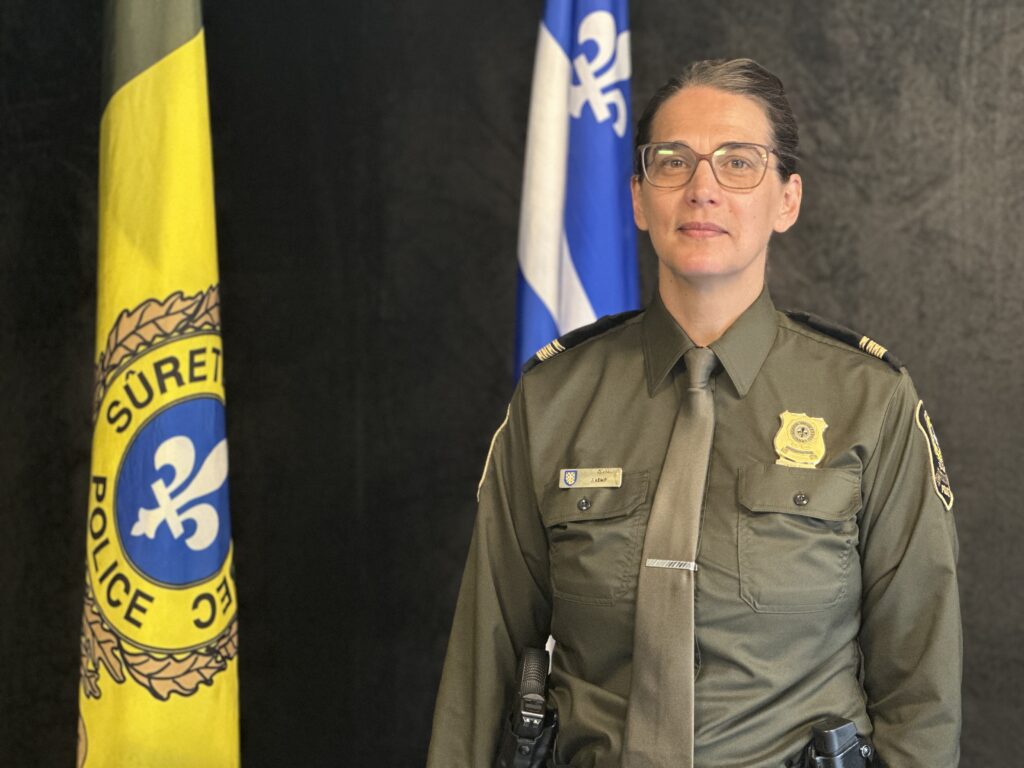
“Although we don’t know exactly what the causes are, we can say that in all three cases it is a human decision that is behind the collision that happened,” said SQ Lieutenant Coordinator Joyce Kemp.
“That means that we can avoid them.”
Kemp said speeding, distraction and failing to plan trips remain among the biggest contributors to fatal crashes during Quebec’s construction holiday, when highways become significantly busier.
“We want people to really be responsible in the way that they drive,” she said. “Slow down, avoid distractions and plan your trips to make sure you have enough time to get to destination.”
The SQ says 38 people died on Quebec roads and off-road trails during last year’s construction holiday.
For Durocher, the early numbers are especially concerning because they resemble the beginning of last year’s tragic period.
“Last year was the worst year in many, many years,” he said.
“We’re seeing basically the same thing.”
Drawing on nearly four decades as a police officer, including five years in Montreal’s road safety division, Durocher said investigations may ultimately identify different immediate causes, but they almost always trace back to driver behaviour.
“Human behaviour is always at the heart of the problem, 99.999 per cent of the time.”
He said the period between Saint-Jean-Baptiste Day and Labour Day is commonly referred to as Quebec’s “75 deadliest days” because drivers often pack too many activities into a short period while dealing with heavier traffic, fatigue and distractions.
“Our minds must not be on vacation until we’ve actually arrived at our destination,” he said.
“If we just reduce speeding, alcohol and distraction, you’ve eliminated the majority of causes involving collisions.”
Every fatality leaves families behind
Police say the statistics represent far more than numbers.
Kemp said every fatal collision leaves families, friends and entire communities facing irreversible loss.
“We’re talking about numbers but every time there is one or more deaths, it’s a whole community, family, friends, colleagues that are impacted and some people, their lives will change forever,” she said.
“Sometimes it happens so quickly with one decision or one infraction.”
The tragedy in Lantier has become one example of those lasting consequences, leaving behind grieving relatives and a teenage son now without his parents.
Drownings also rising
The dangers have not been confined to Quebec’s highways.
A man in his 20s drowned Sunday afternoon in the Lake of Two Mountains at Oka National Park. SQ divers recovered his body around 1:30 a.m. Monday before he was transported to hospital, where he was pronounced dead.
His death comes during National Drowning Prevention Week and amid what the Lifesaving Society says is already a troubling summer.
The organization estimates Quebec has recorded 43 drownings so far this year, compared with 40 at the same point last year. About 60 drownings occur annually across the province.
Quebec Lifesaving Society executive director Raynald Hawkins said the construction holiday consistently ranks among the most dangerous periods because more people flock to beaches, lakes and rivers.
“Just for this weekend, our evaluation is five,” Hawkins said of suspected drowning fatalities.
“So can you imagine where we’re going?”

Over the past five years, the organization estimates an average of nine drowning deaths occur during the two-week construction holiday.
Hot weather, vacation schedules and increased recreational boating all contribute to the risk.
Hawkins said more than half of drowning victims are alone when they enter the water.
“My best recommendation, when you want to be near or in or underwater, please do with other people,” he said.
He also urged boaters to wear life-jackets at all times and encouraged swimmers to choose supervised beaches whenever possible.
For parents, he stressed one simple rule: “If your kid is not at arm’s reach, that means they’re too far.”
Drivers urged to slow down
Many Quebecers say they recognize the heightened risks.
Montreal driver Erwin, a former driving instructor, said he makes defensive driving a priority.
“I’m always alert, always watching for the other guy,” he said.
He also believes complacency during pleasant summer weather can be dangerous.
“Usually happens when it’s a really nice day and you’re not taking precautions.
“The big problem is even though it’s supposed to be quieter, there’s a lot of accidents.”
Another Montreal driver said avoiding stress is part of staying safe.
“I try to drive slowly, try to respect all the limits,” he said. “I try to avoid traffic as well, because traffic will get you more stress.”
Whether you’re hitting the road or heading to the water, officials say slowing down, avoiding distractions, planning ahead and following basic safety precautions can make all the difference this construction holiday.