Montreal quadruple amputee speaks out for better sepsis screening
Posted July 31, 2026 4:01 pm.
Last Updated July 31, 2026 5:53 pm.
What began as severe back pain after recovering from the flu quickly became a medical emergency for the 43-year-old Montrealer.
“I would never leave you guys. I’m sorry you have to go through this,” those were the first words that came out of Cameillia Ramdass mouth after waking up from an induced coma to her children.
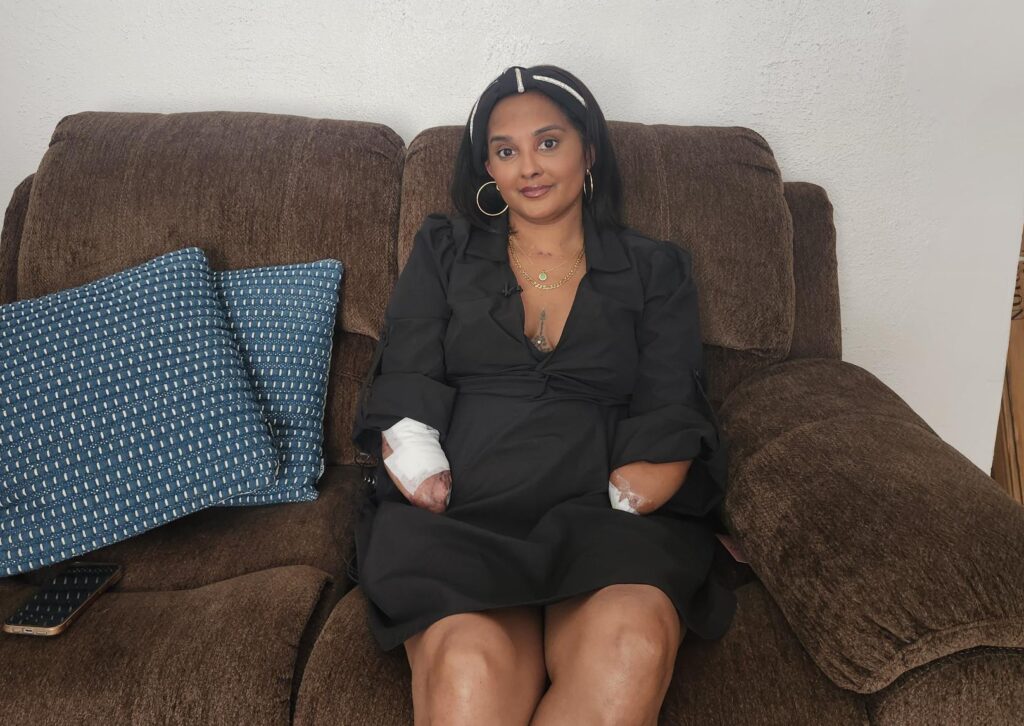
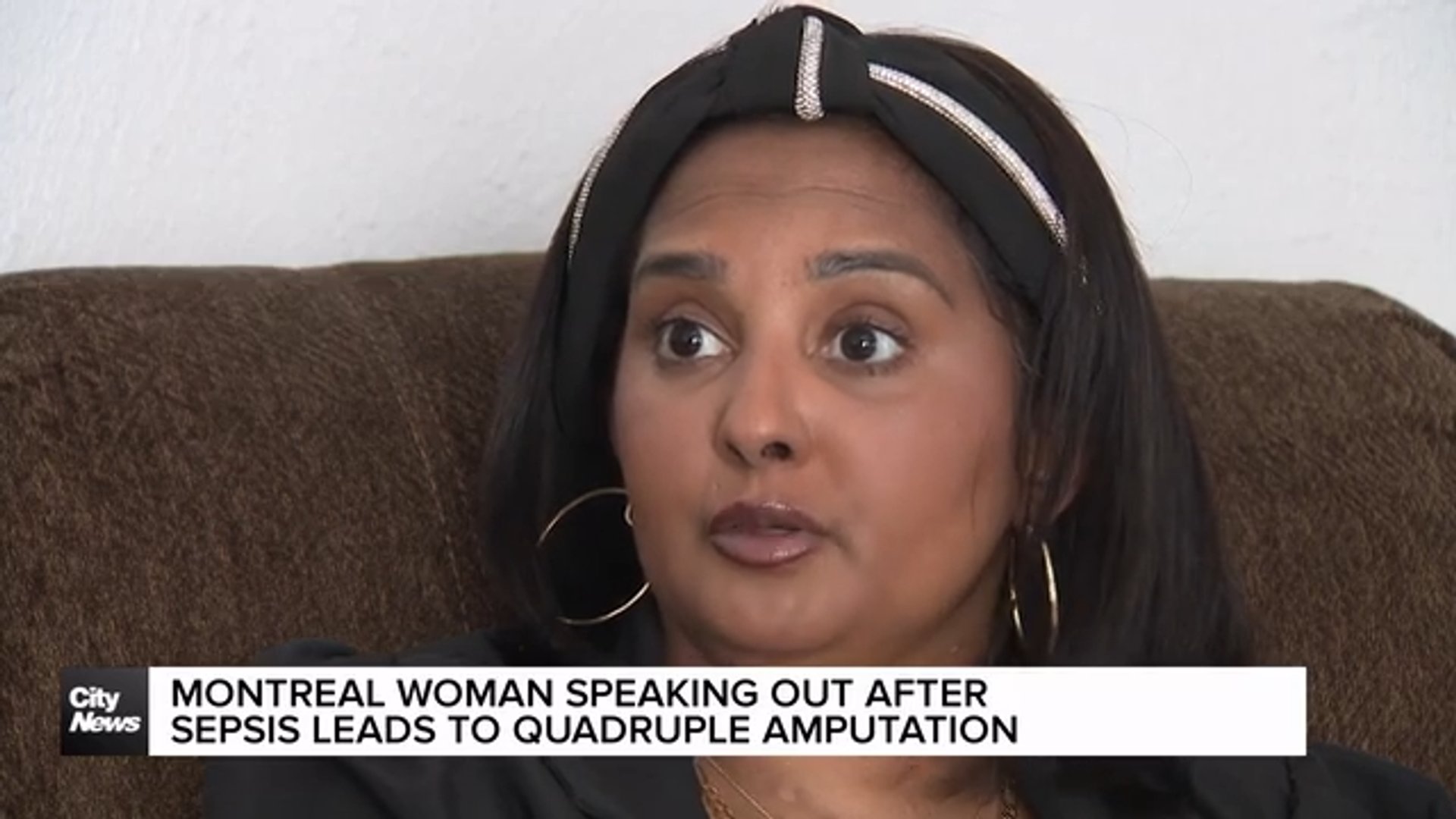
Now recovering from multiple amputations, she’s speaking publicly to raise awareness of sepsis and the importance of early diagnosis.

Everything changed for Ramdass in January.
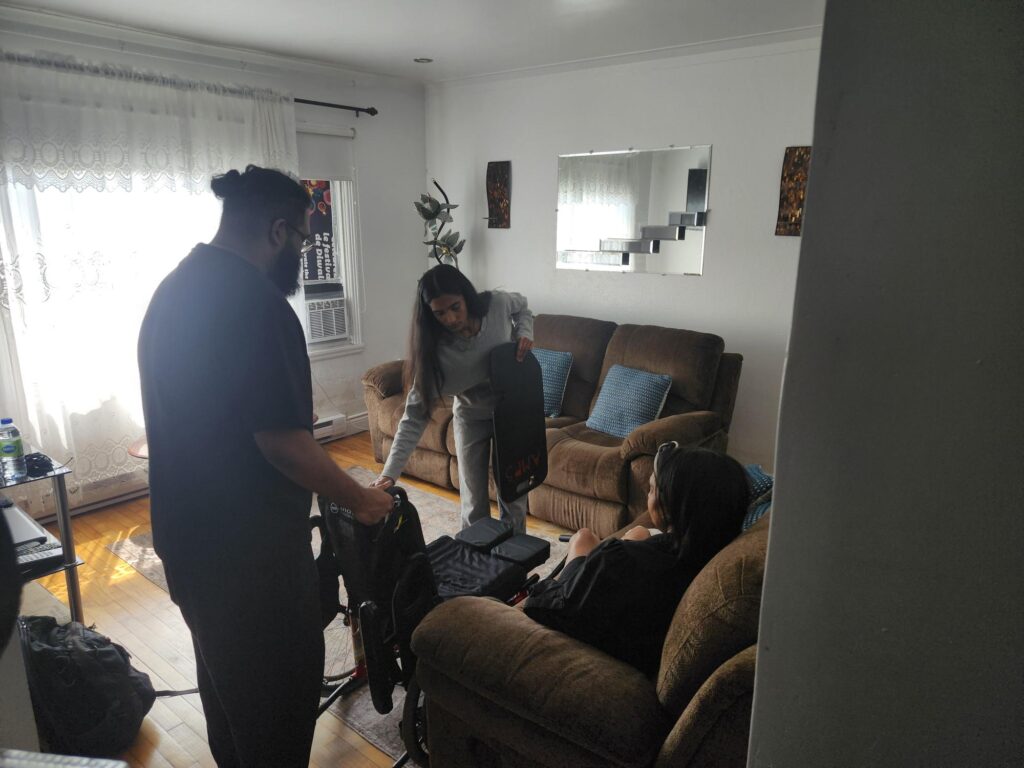
Her 23-year-old daughter Seraiyah was by her side during this ordeal. She had to make difficult decisions for her incapacitated mother who received vasopressors, a lifesaving medication, but which also constricted the blood flow in her limbs, eventually resulting in the quadruple amputation.
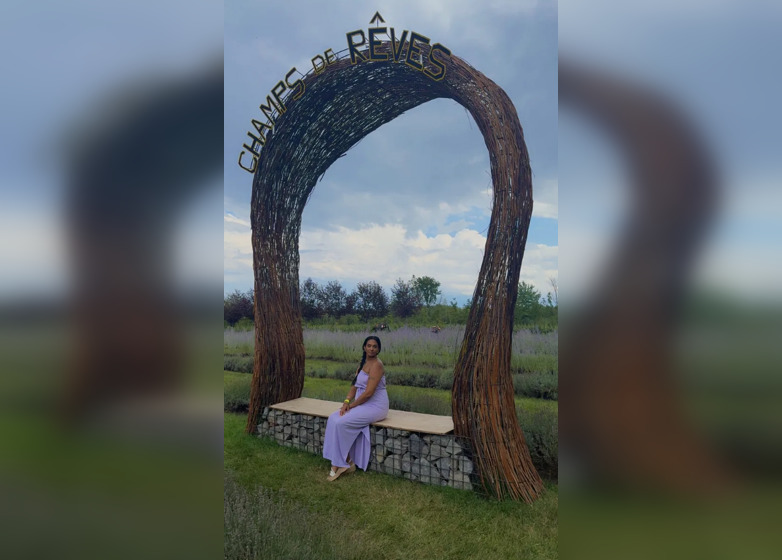
“I think this could’ve been totally avoidable because the doctor did not listen to my concerns. It was just a simple urine test and a simple blood test he could have taken to determine if I had a kidney infection when I got to the hospital,” said Ramdass.
One in five people who develop sepsis will not survive, according to Dr. Alison Fox-Robichaud, the scientific director of Sepsis Canada and professor of medicine at McMaster University.
“Sepsis is the the body’s life-threatening response to an infection. It’s when the body’s immune and clotting system and systems that are designed to fight that infection kind of go into overdrive in an attempt to control that infection … everybody’s a little different in terms of how they present. And that’s part of the challenge of recognizing somebody’s becoming septic.” said Dr. Fox-Robichaud.
While she agrees that Capnocytophaga–the bacteria that was found to have caused Ramdass’ sepsis is rare–she estimates that sepsis is the fourth leading cause of death in Canada and that it is the only G7 country without a national sepsis action plan.
“If you present yourself to hospital and you’re just feel like I feel like I’m going to die feel horrid. I’m pretty sure I’ve got an infection. Ask the question, could it be sepsis? Because that may actually trigger the health care workers to do additional blood work to to think about that,” said Dr. Fox-Robichaud.
Those at higher risk include young children, older adults and people with chronic health conditions who are taking immunosuppressive drugs.
Ramdass, who has lived with lupus (a chronic autoimmune disease where the immune system attack the body’s own tissues) since she was twenty two, was in shock after waking up from her coma and missing three limbs.
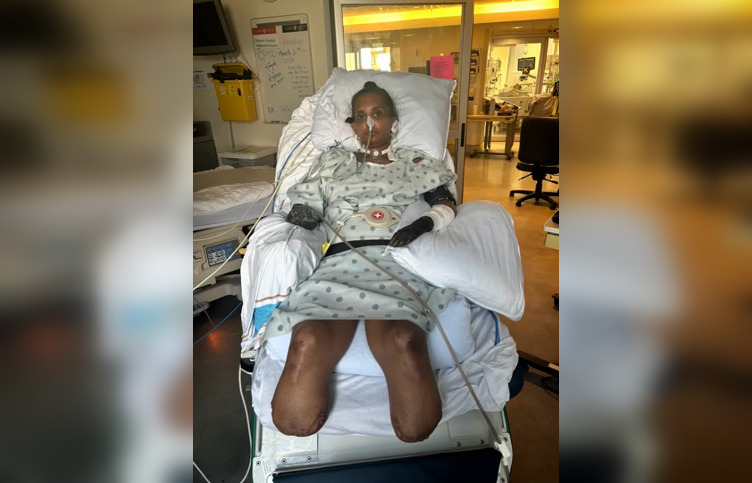
“I thought to myself well my job is gone. My livelihood is gone. My social life is gone. It’s devastating for me. You know I have two kids,” said Ramdass.
Seraiyah says that she’s “proud” of her mom. For mother day she wrote a Medium post to document her mom’s journey with Sepsis and to help raise awareness. She has also started an online fundraiser to help raise the money needed for her mother medical needs.
Ramdass is focused on what lies ahead now. She has come a long way–unable to even turn over in bed at first–she’s now doing 5 hours of rehabilitation daily learning how to write, feed herself and was fitted with her leg prostheses just this week.
“I’m hopeful for the best for the long-term because I will get my legs,” she said. “I will be able to walk. I will get my arms. I will be able to do makeup again and because I was a makeup artist and cook again and bake again like I used to and that’s what’s most important to me. I live for my kids.”