‘We have to be doing something about it’: Canadian men dying prematurely from preventable causes, report shows
Posted June 11, 2025 4:23 pm.
Last Updated June 11, 2025 4:57 pm.
The Movember Institute of Men’s Health has released its national report on the state of men’s health in Canada. It reveals that more than 44 per cent of men living in Canada will die prematurely from largely preventable causes.
The “Real Face of Men’s Health” report explores a variety of barriers men face within healthcare, as experts shed light on an alarming issue.
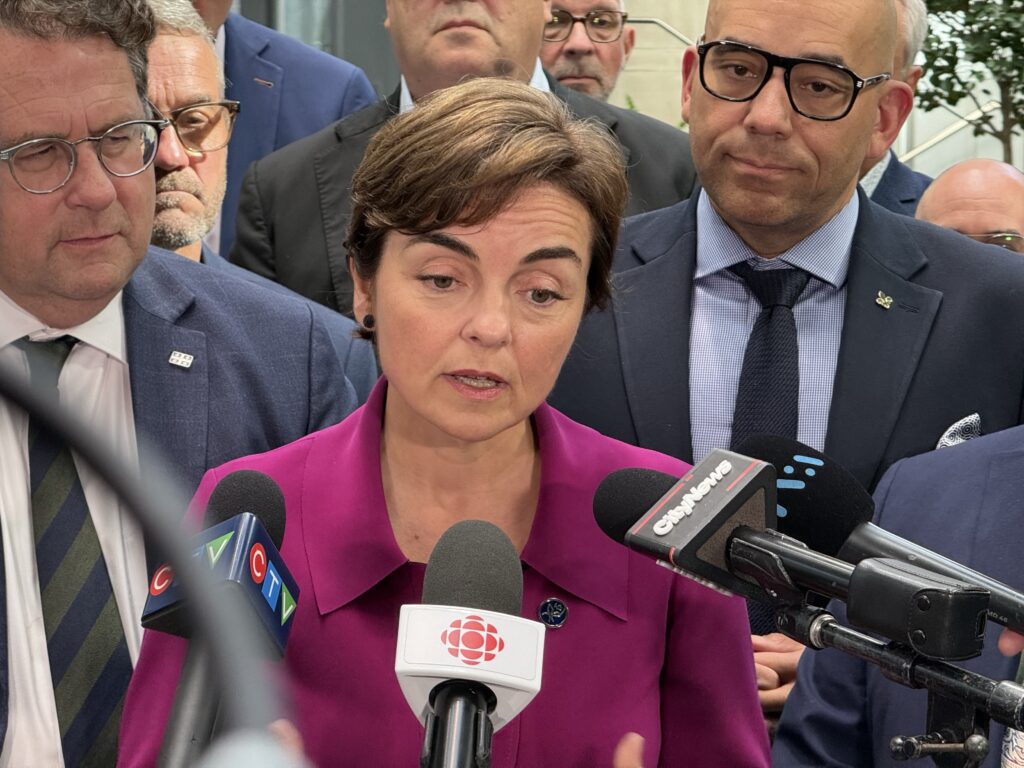
“I think we all sort of know what’s happening, we all have a brother, a father, a friend, a community member who we know who might be impacted,” said Catherine Corriveau, director of policy and advocacy at Movember Canada. “Too many men are dying too young, by largely preventable causes in Canada and we have to be doing something about it.”
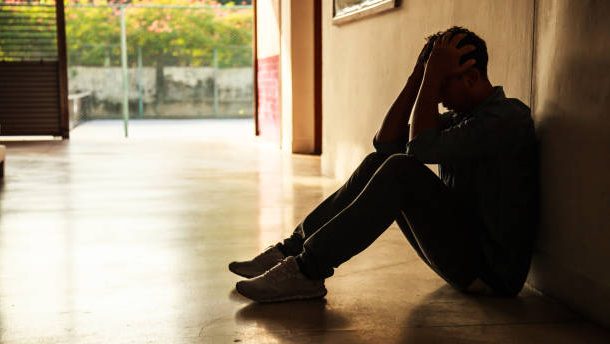
Among many factors contributing to this crisis, the report highlights how men are “disproportionately impacted” by suicide. In 2023, suicide was the fourth leading cause of premature death among Canadian men — with men accounting for every three in four suicides.
“Specifically around suicide, part of the issue is that men don’t necessarily know where to go and they’re not as likely as women, for example, to seek that preventative care,” Corriveau said.

“Sometimes they do seek it and they do go and get it. A very sort of jarring statistic that we found is that 50 per cent of men who completed suicide actually went and and sought care and it just wasn’t responsive to their needs.”
Co-author of the report Dr. John Oliffe says additional contributing barriers include stigma, gender bias, and low health literacy.
“We know also that when guys go and seek help from healthcare providers, that initial contact with the healthcare provider is so important,” Dr. Oliffe explained.
“If they don’t feel like they’re being heard or they’re not really being taken seriously, we lose them.”
The report is said to be one of the first to explore the impact of men’s health on women, families, communities, and the economy.
The report also notes continued struggles among overlooked populations, such as Indigenous men. Corriveau explained that within these populations there continues to be poor mental health and extremely high rates of suicide.
Other impacts to men include the opioid crisis — where within the first half of 2024, there were 72 per cent of accidental opioid toxicity deaths and 63 per cent of accidental opioid-related poisoning hospitalizations in Canada among men.
“We want to help healthcare providers work more effectively with men and we want an empirical base so we can monitor the outcomes of guys,” Dr. Oliffe explained.
Corriveau says the ongoing stigma and harmful societal masculinity norms pose a challenge to this conversation.
“We’ve all heard the term, ‘men don’t cry, tough it out,’ and so that’s kind of that cultural barrier that’s preventing men from seeking support when they need it and those delays are causing those consequences in terms of their health,” she explained.
Corriveau and Dr. Oliffe say the aim is to call on the Government of Canada to commit to developing a national men’s health strategy. They explained there are already boots on the ground in Ottawa, as politicians note this subject is top of mind.
“There’s a real appetite on the Hill at the moment for engaging conversations about men, certainly social determinants of health with men,” Dr. Oliffe said.
“We want to build a health care system that feels equipped and knowledgeable to have that exchange and be able to not only respond to men’s needs, but retain them in care and advance that research so that eventually we can build a bit of that national centre that has those provincial sort of hubs,” Corriveau explained.
If you’re worried that someone’s life is in immediate danger, call 911 or go directly to emergency services. You can also visit Movember online for support.
“We’ll continue the conversation to drive this forward,” Dr. Oliffe said. “It’s a framework that we want. It’s something we need.”