Ricochet shelter secures permanent future in Montreal’s West Island with building acquisition
Posted July 20, 2026 3:43 pm.
Last Updated July 29, 2026 8:42 pm.
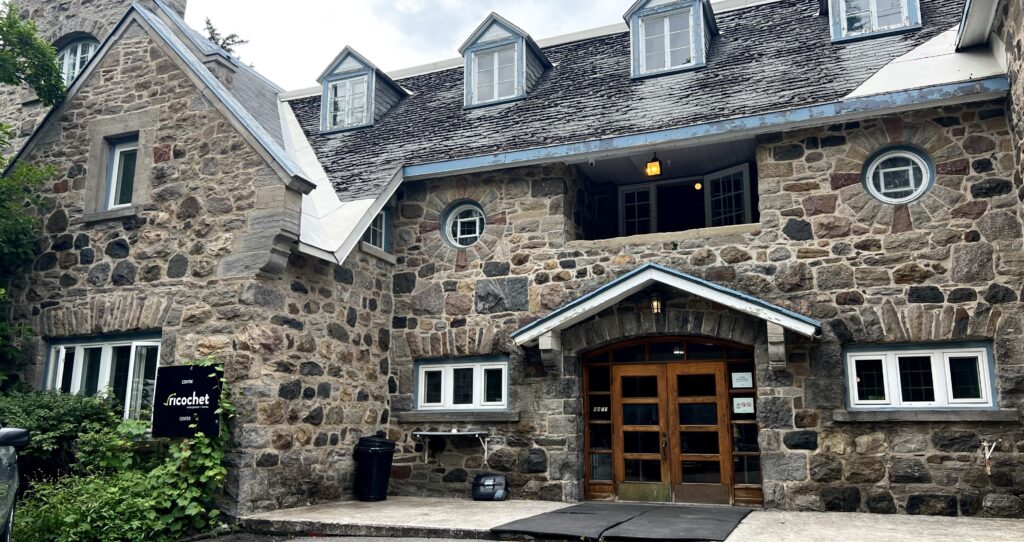
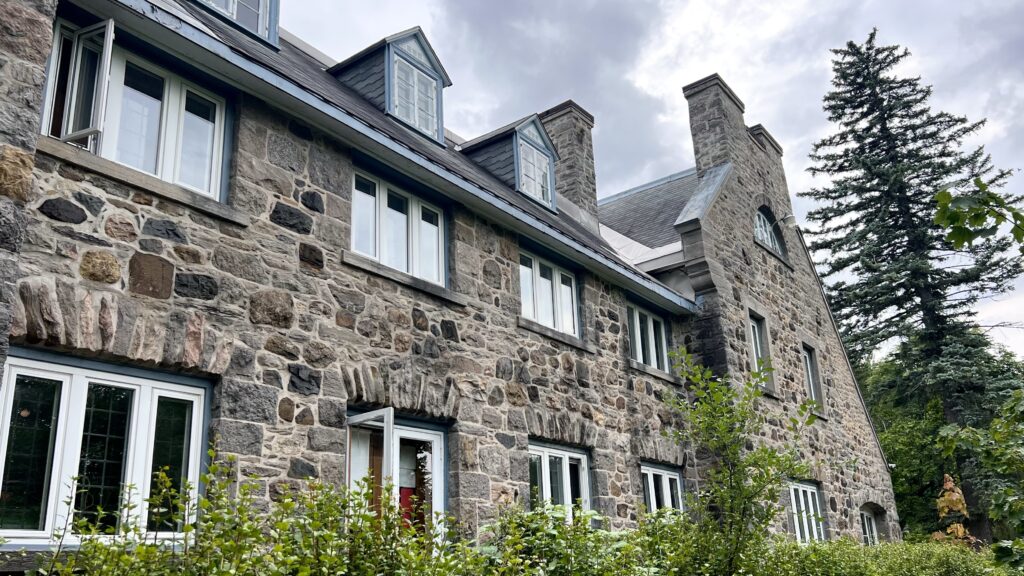
The Ricochet shelter in Montreal’s West Island has officially secured its future after acquiring the building where it operates on Gouin Blvd. W. in Pierrefonds.
The organization announced the acquisition of the Ricochet Centre on July 18, 2026, calling it a historic milestone in its efforts to address homelessness and housing instability in the region.
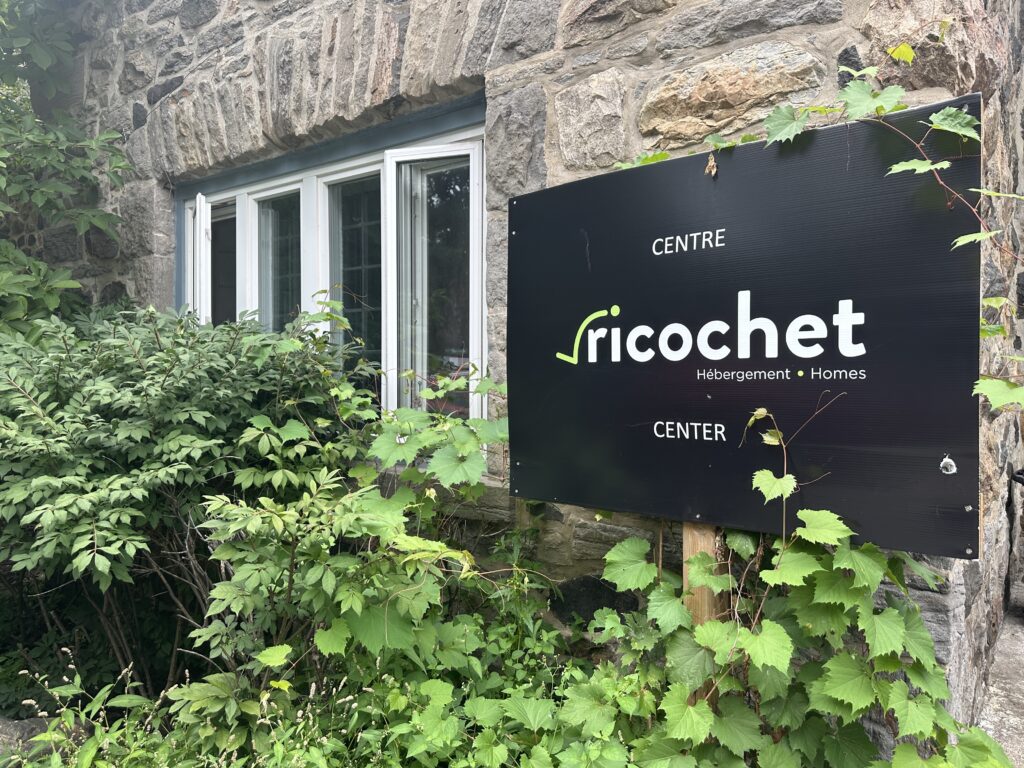
Ricochet says owning the building puts an end to years of uncertainty for vulnerable people and ensures the organization can continue providing services without the risk of eviction or forced relocation.
“Becoming owners isn’t just about acquiring a building; it’s about ensuring our permanent presence where the needs are most urgent,” said Tania Charron, executive director of Ricochet.
“We will never again be at the mercy of eviction or forced relocation, which further destabilizes the people we support. This building finally gives us the stability we need to deliver our services and offer a real path to social reintegration.”
The acquisition comes after a difficult period for the organization. In May 2024, Ricochet was forced to leave its previous location after being evicted when its lease ended. The building was returned to the regional health authority that owned the property, and about 50 clients were forced to leave, leaving the West Island without a shelter for roughly five weeks.
Caterina Modica-Amore, Ricochet’s projects and programs coordinator, called the experience “gut wrenching,” especially as Ricochet is the only shelter serving unhoused people in the West Island.
“I’ll never forget that. We had to give survival kits, tents, food, bus tickets, and we had a question mark every time anybody would ask us, ‘Well, when are you going to reopen?’”
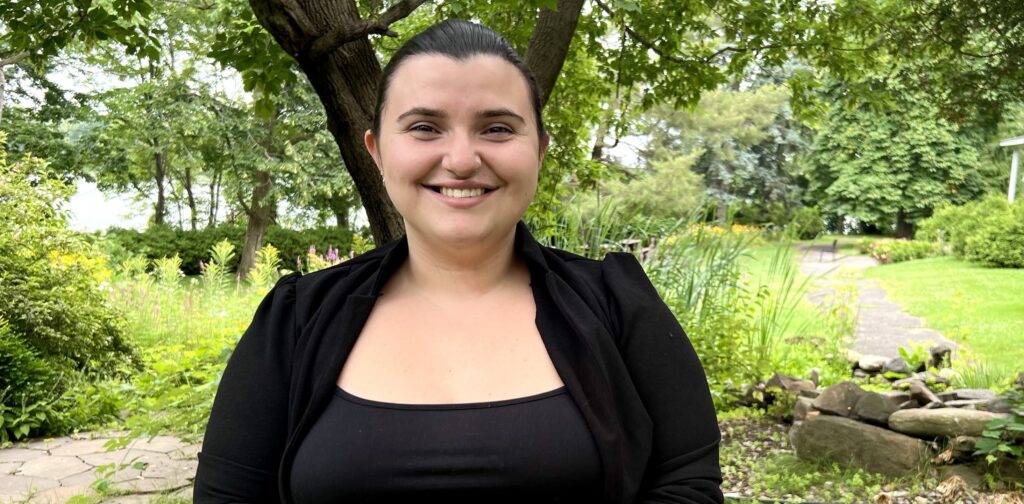
Ricochet reopened at its current location on Gouin Blvd. W. about five weeks later. It serves individuals including women, couples, veterans, LGBTQ2S+ community members, First Nations people, people with pets, and those living with mental health or substance use challenges.
The organization says that without the acquisition of its current building, 80 people could have ended up on the streets.
Modica-Amore added that the impact would extend far beyond those 80 beds, as hundreds of people rely on Ricochet’s services each year.
A shift from emergency shelter to long-term housing
With ownership secured, Ricochet says it is moving forward with plans to expand its housing services.
The organization plans to renovate the currently vacant second floor of the building to create approximately 60 affordable housing units. Construction is expected to take between six and 12 months, depending on the project.
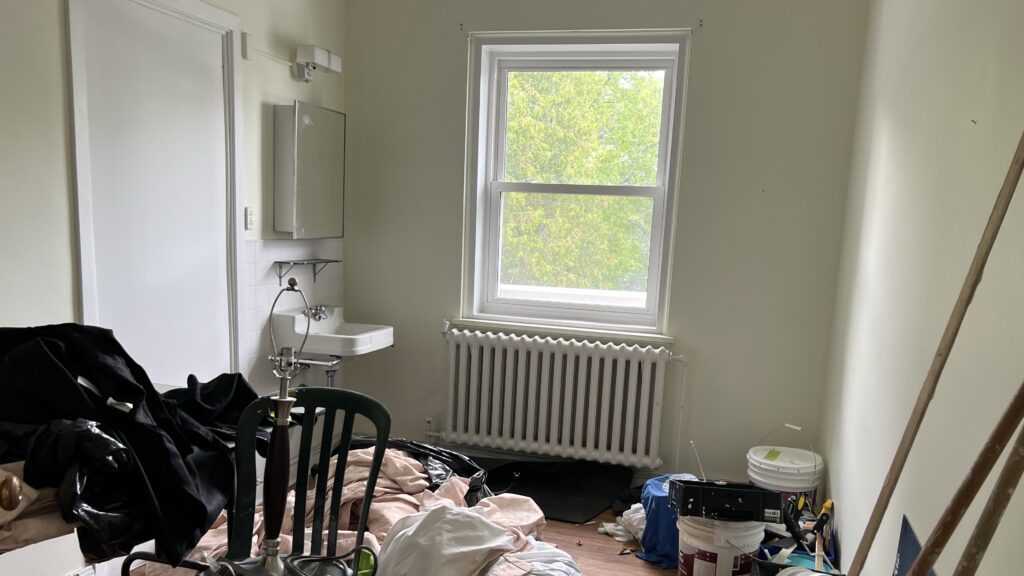
Once completed, Ricochet expects to reduce its emergency shelter capacity from 80 beds to 48 permanent emergency beds, available 24 hours a day, while creating a pathway into long-term housing.
“Even if we’ll have the 60 affordable units, there’s still going to be individuals that are going to be struggling with homelessness,” Modica-Amore explained. “If you look at our statistics in the previous years, you’ll see that there’s over 400 beneficiaries who’ve used our services.”
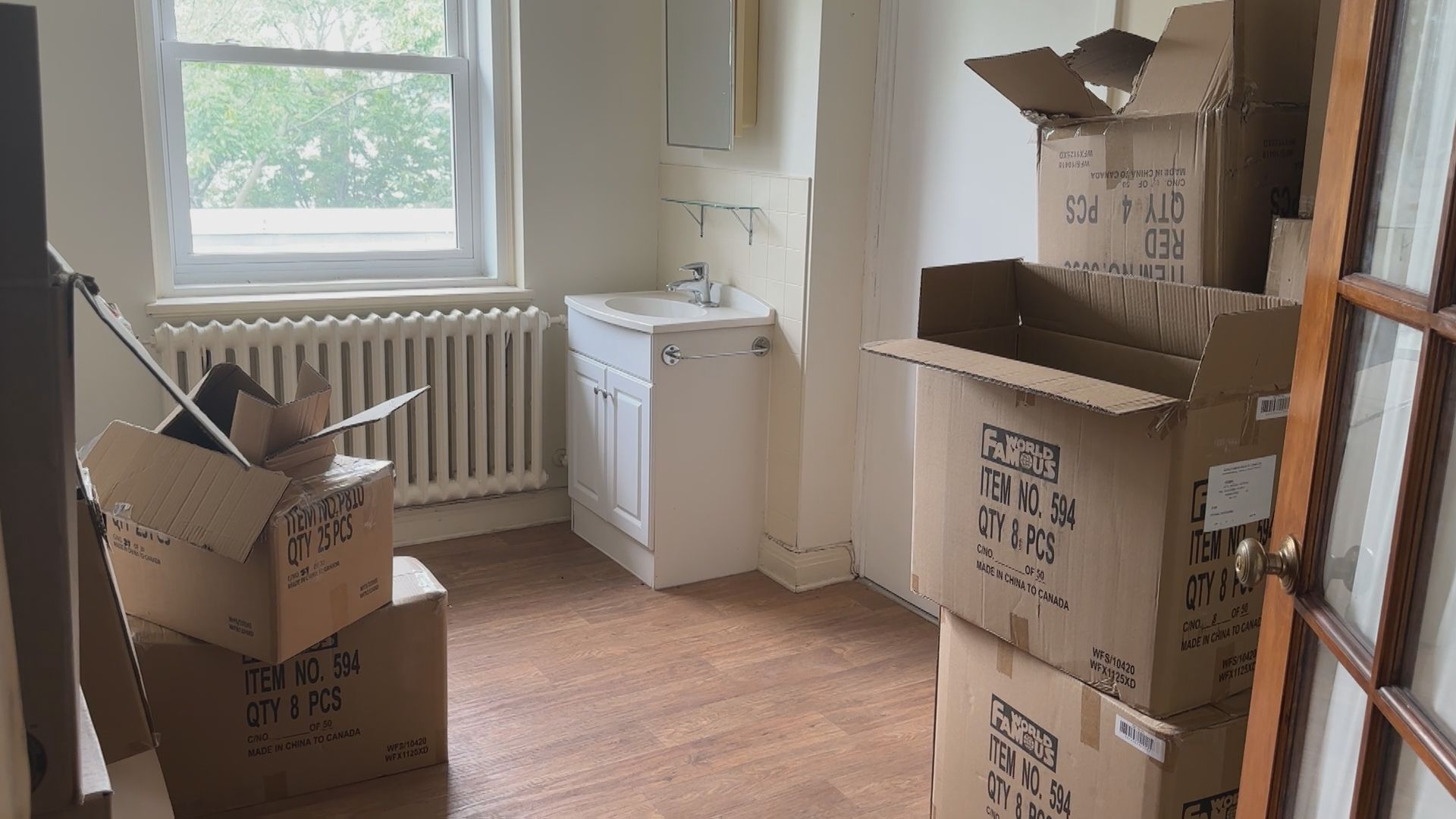
She said many people arriving at the shelter are in “survivor mode,” making it difficult to focus on finding housing or employment during a 30-day emergency stay. She said that the affordable housing units will provide the stability needed for beneficiaries to work toward long-term goals and reintegrate into society.
The organization says the change will allow it to strengthen its support services and help more people transition from emergency situations into stable housing.
“We are finally offering a structural solution to the housing crisis. We are proving that with political and community determination, it is possible to integrate a comprehensive approach — including affordable housing — into the heart of our neighbourhoods in a dignified and harmonious way,” said Charron.
Building stability in the community
Ricochet says the acquisition will also allow it to continue working toward stronger relationships between people experiencing homelessness and the broader West Island community.
The organization says it remains committed to inclusion, solidarity and social mediation programs aimed at supporting coexistence between housed residents and people accessing its services.
The acquisition has brought a newfound sense of stability to beneficiaries at the centre, especially those who experienced the previous eviction.
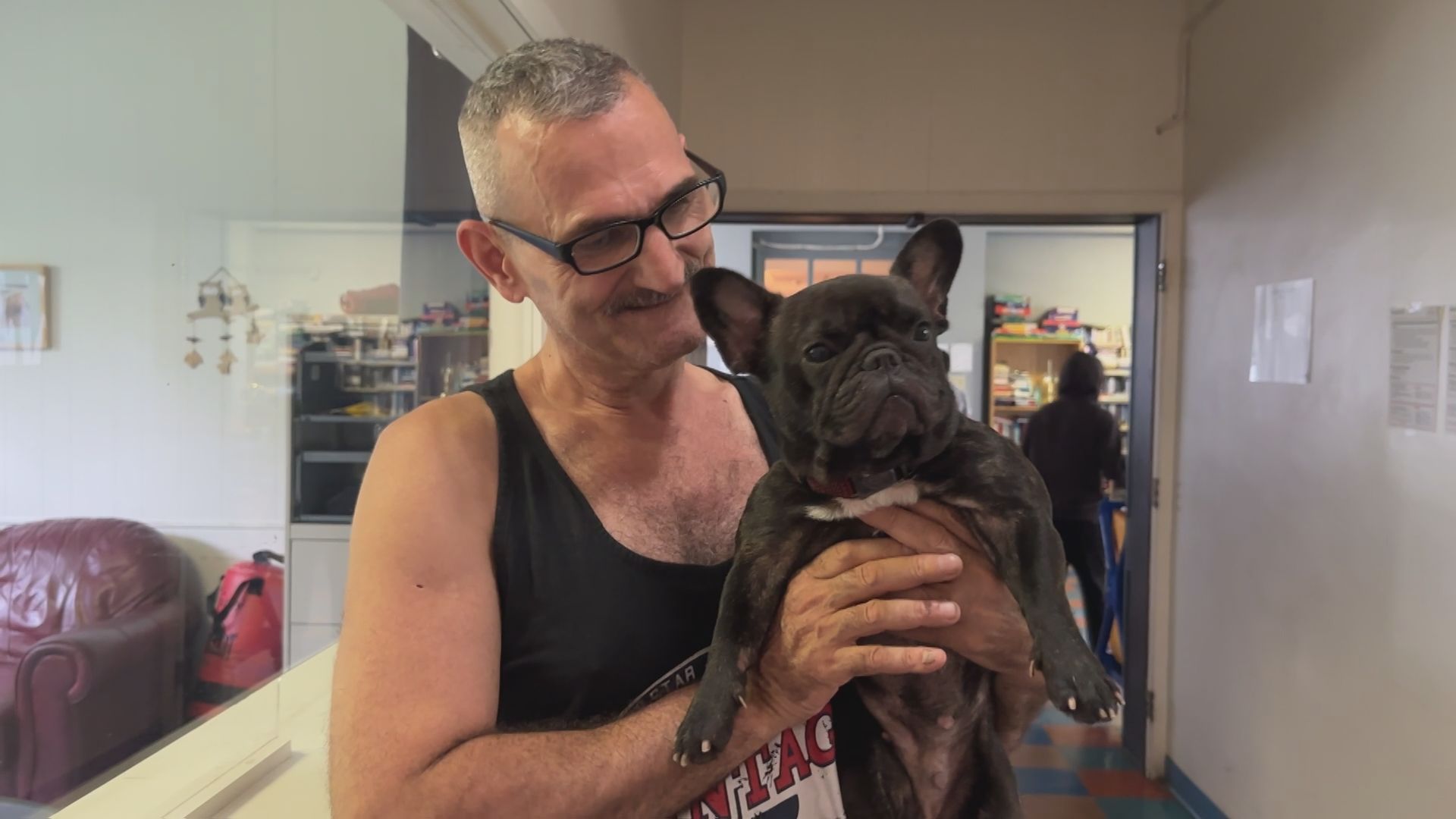
For Daniel Monette, who has been staying at Ricochet for about three months, the shelter has been life-changing. He says being able to stay with his dog, Betty, has made an enormous difference.
“They’ve offered me a lot of support, not just for trying to find housing. I’ve even looked into going back to school, even at my age, but they’ve offered me a lot of support in every way. Even though I have a small dog, they’ve offered great care for my dog too,” he said.
“This place saved my life actually. I was so depressed before I came here. It was ridiculous.”
Support behind the acquisition
Ricochet says the purchase was made possible through a financial plan supported by several partners.
The project received selection and preliminary approval through the Société d’habitation du Québec’s PHAQ program, with the participation of Build Canada Homes. Development financing was provided by the National Bank of Canada, allowing the acquisition to move forward.
The organization also recognized support from Hockey Helps the Homeless, West Island Community Shares and the Desjardins GoodSpark Fund.
Ricochet says the acquisition represents more than the purchase of a building — it provides a permanent foundation for helping people move from housing instability toward long-term solutions.
“We’re the only shelter in the West Island and this type of shelter is not offered anywhere else. If it’s not us, it’s no one. So at least now that’s not even an option. It will be us and we will be here and we’re not going anywhere,” said Modica-Amore.