‘Don’t put us on the sidelines’: Indigenous groups in Quebec concerned by potential pipeline project
Posted June 2, 2025 4:13 pm.
Last Updated June 2, 2025 5:59 pm.
Indigenous groups are voicing their concerns about a potential pipeline project through Quebec after Premier François Legault’s most recent comments.
The possibility of building an oil pipeline in the name of “national unity” was a major talking point during the premiers’ meeting Monday in Saskatoon.
Quebec is promising to study a possible pipeline project that would cross its territory, to examine its impacts before any commitments are made. Legault says he’s sensing an openness to the idea among Quebecers.
“We need to see what’s the economic impact for Quebec, what is the impact on the environment,” Legault said. “So what I say is that if there’s a project going through Quebec, we’ll study it. That’s all what I said.”

That’s raising some eyebrows among representatives of the Indigenous community in Quebec, who remain cautious and are speaking out about the potential ramifications of a pipeline.
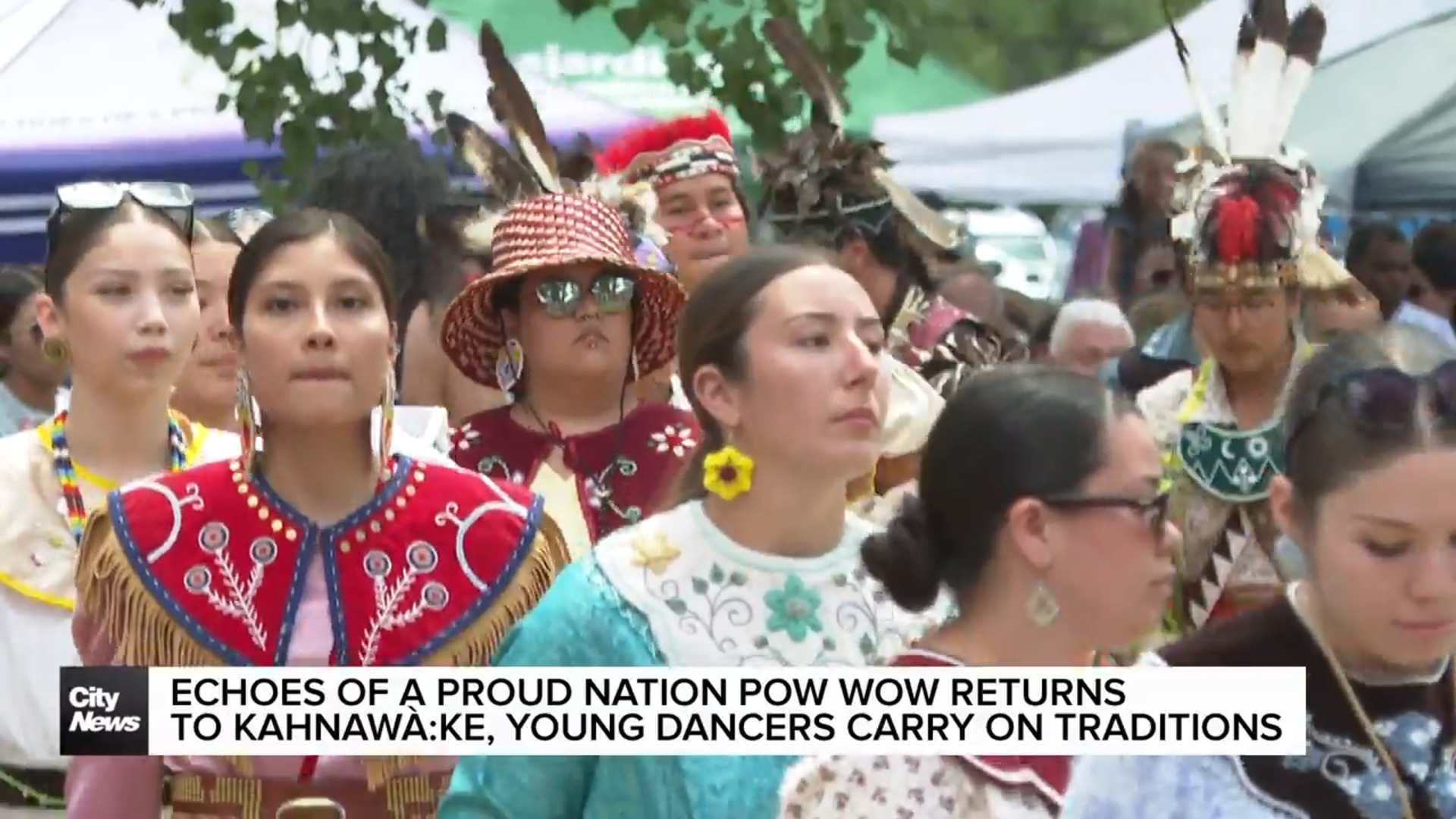
“Pipelines in general have always been that, it’s always been a trigger word for Onkwehonwe people or First Nations people, because where do all the pipelines end up going? Always through our territories,” said Grand Chief Cody Diabo of the Mohawk nation of Kahnawà:ke.
“We’re talking all this pipelines, pipelines, pipelines, but yet you’ll spend billions of dollars on oil infrastructure, yet there’s also communities who are still on boil water advisory. So why aren’t you fixing that problem as well?”
RELATED: Legault’s Quebec-NL power line proposal not in national interest: federal source
All governments, with the exception of Quebec and British Columbia, agreed with the principle of an oil pipeline to allow oil exports, particularly to Asia.
The regional chief of the Assembly of First Nations Quebec-Labrador (AFNQL) says despite the subject remaining hypothetical, input from First Nations is crucial nonetheless.
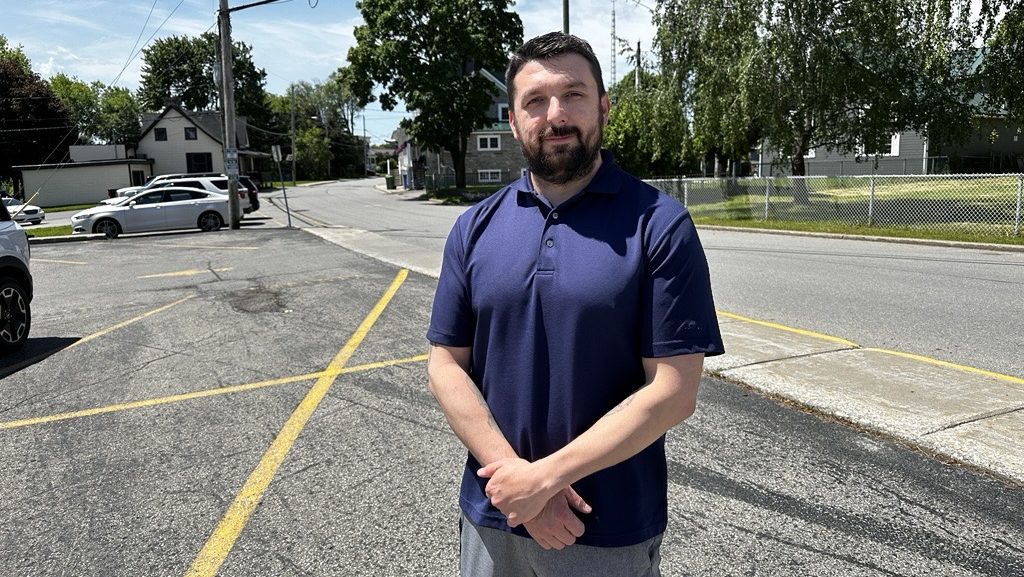
“We still need to protect the environment, the biodiversity, we need to protect our lands, and I think this is very important,” said Francis Verreault-Paul.
“It is crucial to make sure that they do take into account the voice of First Nation in on any projects.”
Diabo adds that support is always there from nation to nation if something were to arise. In 2020 Kahnawà:ke blocked a section of a Canadian Pacific railway in solidarity with those preventing access to a pipeline construction site on traditional Wet’suwet’en land in northern British Columbia.

Quebec has opposed pipelines in the past. At a press briefing Monday morning, Legault didn’t make any promises and said he did not intend to make any particular effort to attract a private developer who could propose an oil pipeline project.
“Mr. Legault has said on several occasions that Quebec is open to studying a pipeline project, but a project still needs to be submitted, which is not the case at this time,” a spokesperson for Legault’s office told CityNews in a statement. “Mr. Legault also made it clear that Quebec would have to benefit if such a project were to move forward.
“There is no question of any project affecting Quebec going forward without our agreement. We would need also to see concrete benefits. All of this remains hypothetical for now.”
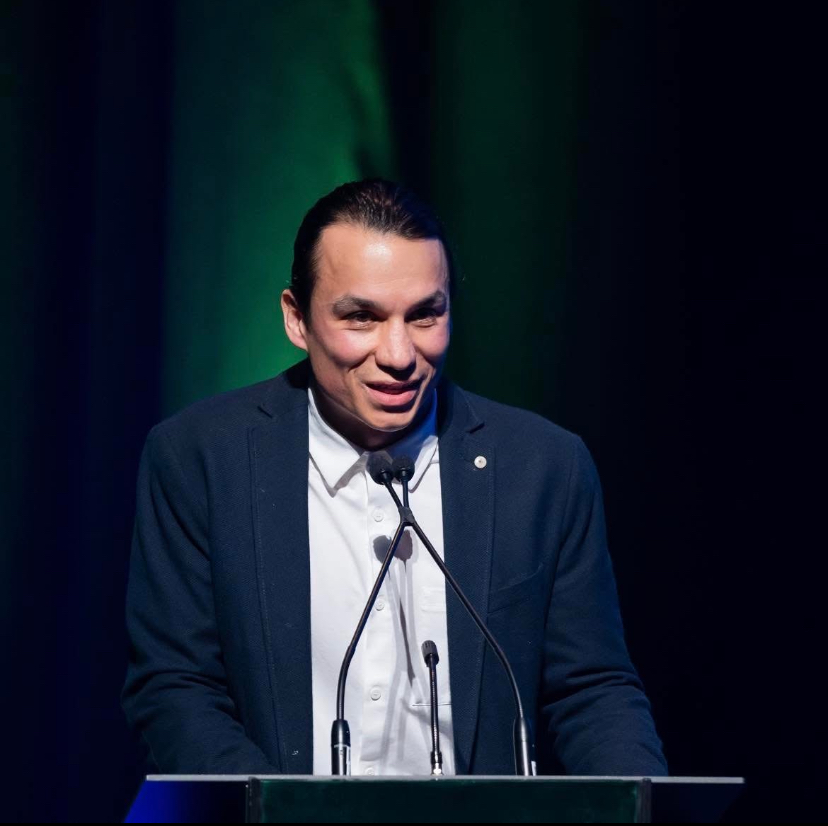
Discussions on pipelines ran rampant in recent months following threats from U.S. president Donald Trump. Chief Verrault-Paul says with these treats, the environment could face a real impact.
Chiefs Diabo and Verreault-Paul remind all forms of government that dialogue is key to this subject
READ MORE: Blanchet opposed to ‘turning Quebec into a motorway for dirty oil’
“Onkwehonwe people need to be at the forefront and need to be included in the conversations at the forefront, not through duty to consult later on because we’re an afterthought,” said Chief Diabo.
“If these are conversations that happen, you know our number at the MCK, invite me to those conversations as well, and I’ll explain that in person.”
Added Verreault-Paul: “We’ll see how this goes. I think this is a pretty, as of now, subjective conversation, but still we know there might be a possibility that might be coming.”
“Don’t put us on the sidelines and expect us just to fall in line afterwards. Because if we get treated like that, the results are going to be the same as you’ve tried numerous times to ram pipelines through.”