System failed to protect Granby girl, coroner concludes of 2019 death
Posted September 3, 2025 8:59 am.
Last Updated September 3, 2025 6:20 pm.
The protective mechanisms in place in Quebec “did not ensure a sufficiently coordinated response” to prevent the tragic death of the seven-year-old Granby girl, Quebec coroner Géhane Kamel concluded.
“The doctor missed it, the educational system missed it, the DPJ missed it—everyone in the system missed this child,” she said.
In her 26-page report released Wednesday morning, the coroner points out that “warning signs foreshadowed this tragedy” and asserts that the Granby girl “should have been heard.”
She says she is “convinced that no one acted in bad faith” within the system, but notes that “everyone was working in their own silo, unfortunately forgetting the essentials.”
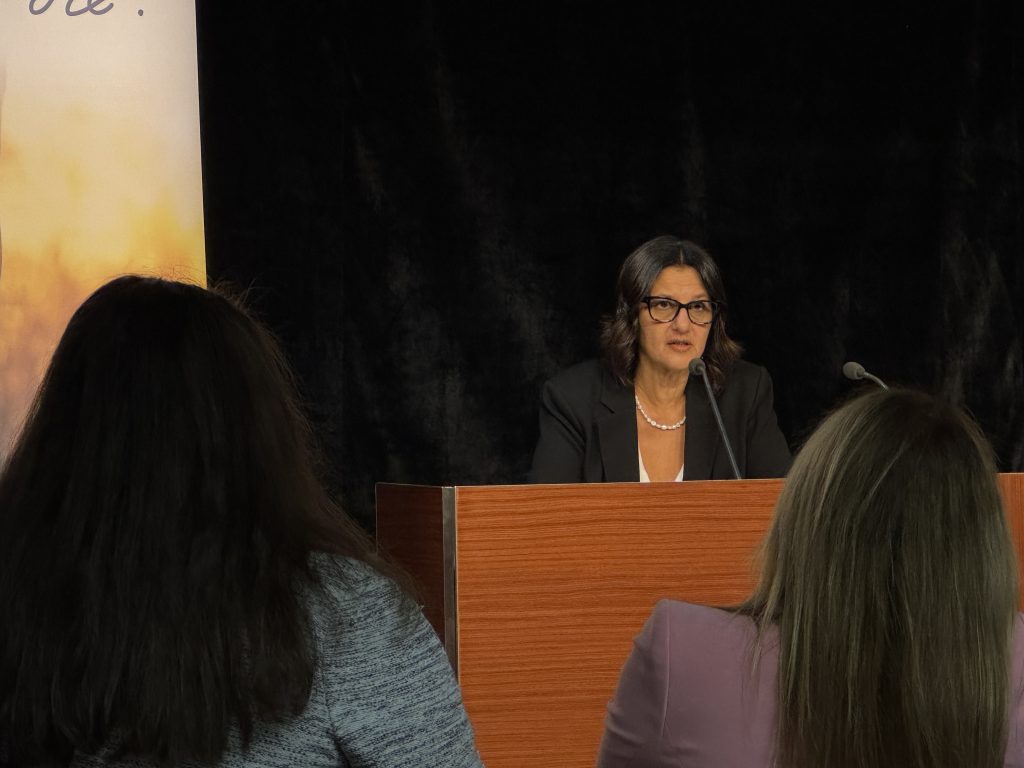
The coroner makes 12 recommendations, in addition to supporting those of the Commission of Inquiry on the Rights of Children and Youth Protection, chaired by Régine Laurent.
In particular, she believes that Youth Protection (DPJ) should have the means to maintain communication with all key players involved with the children with whom it works.
“Everyone has blood on their hands,” said the Granby girl’s grandmother, who cannot be identified out of risk of identifying the young victim. “What happened is unacceptable, and it can’t be allowed to happen again.”
Kamel is also calling on the government to boost funding for frontline psychosocial services, while specifically urging the Ministry of Education to ensure more social workers are present in schools.
“When a child has problems, the only safe place is at school,” the girl’s grandmother said. “But the little girl would say at school, ‘I’m going to die if I go home,’ but then she would go home anyway. It’s completely illogical.”
The coroner does not blame the DPJ’s work in the Granby girl’s case, ruling that it cannot “be solely responsible for the well-being of children or be blamed when a failure occurs.”
“We talk about the famous expression ‘it takes a village to raise a child’ — it’s everyone around the child who needs to take charge,” she said.
However, she maintains that it is “urgent to adjust practices if we want the DPJ to be a real safety net,” since needs are only growing.
According to Valérie Assouline, the family lawyer for the mother of the Granby girl, the coroner’s recommendations must be followed up with immediate action from government officials.
“You need to invest,” she said. “This is lacking. Still today in 2025 (as was in) 2019, we said that DPJ services should be an exception. It’s not.”
Quebec Social Services Minister Lionel Carmant says he welcomes the report and will implement its recommendations.
But Carmant also touted changes that have already been made to youth protection over the years, including the creation of programs like “Agir tôt” or the “programme d’intervention en négligence.”
“Many things continue to improve,” the minister said. “What we’re talking about here is consultation. That’s what needs to be improved. People need to communicate with each other. Everyone needs to feel concerned about the well-being of our children. We appointed the national director, we appointed the commissioner. We’ve done a lot, but we have to keep working.
“The working conditions of the DPJ have changed completely. When we receive a report now, 90 per cent of the time, the workers will do a field check before making their decisions. We work in pairs. Things have clearly improved. So I think that’s what we need to continue to improve the situation.”
Quebec’s Director of Youth Protection Lesley Hill also weighed in shortly after the coroner released her report, adding that the province must go beyond what was recommended four years ago in the commission launched in response to the case.
“Kamel’s report reminds us that we must go further, particularly by strengthening interdisciplinary and intersectoral work around families in vulnerable situations,” Hill said in a public statement. “These recommendations are a call to action, and a reminder of collective responsibility and the importance of working together to protect children, while ensuring close monitoring of risky situations and the utmost rigor of youth protection services. This is our mission and our duty.”
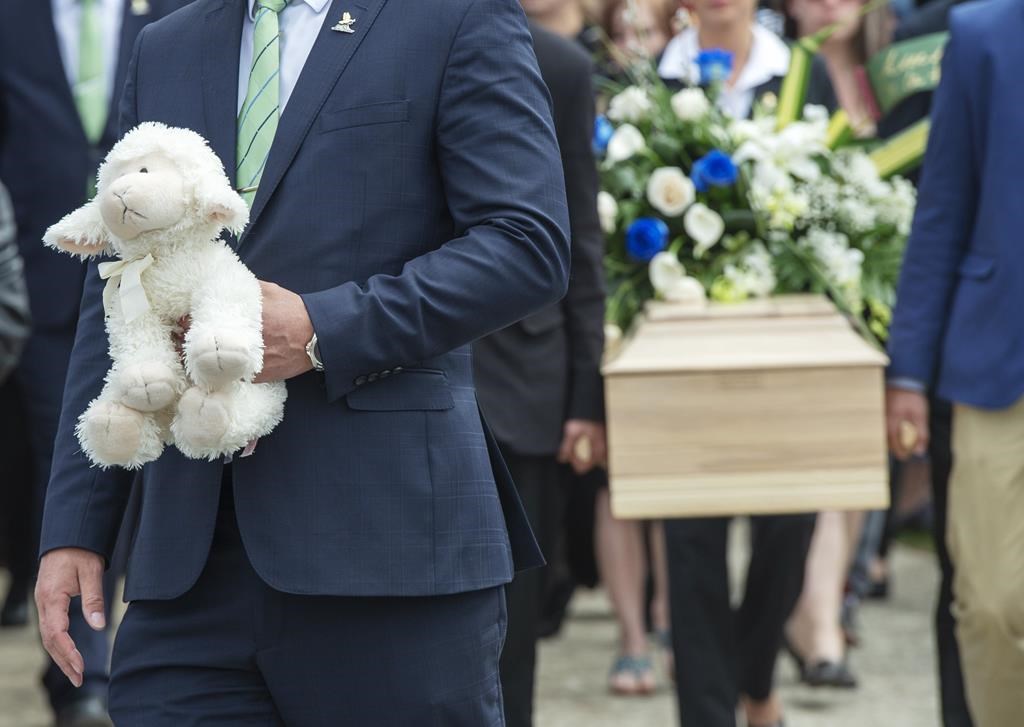
The girl from Granby, who died in April 2019, suffocated after being wrapped in duct tape.
The child’s father was sentenced to four years in prison in January 2022 after pleading guilty to a reduced charge of confinement.
His partner, her stepmother, was found guilty of the child’s unpremeditated murder and confinement and sentenced to life in prison without the possibility of parole for 13 years.
A month after the girl’s death, Quebec’s Ministry of Social Services launched the Commission spéciale sur les droits des enfants et la protection de la jeunesse — also known as the Laurent Commission. The public inquiry sought to examine the shortcomings of the province’s youth protection services.
Released in May 2021, the commission’s final report made 65 recommendations and 251 sub-recommendations, placing particular emphasis on prevention and the need for increased support and psychosocial services for young people and families.
The Laurent Commission’s recommendations were taken up by the province’s National Assembly under Bill 15, which reformed DPJs to stipulate that the best interests of the child must always take precedence over all other considerations, including the interests of the parents. That meant that keeping a child in their biological family at all costs, even if they are abused or neglected, ceased to be authorities’ top priority.
–With files from La Presse Canadienne