Quebec government touts progress on conjugal violence prevention despite 6 femicides in 2026
Posted February 4, 2026 4:46 pm.
Last Updated February 4, 2026 6:00 pm.
The Quebec government says nearly all the recommendations in a 2020 conjugal violence report have been fulfilled.
Quebec says 96 per cent of the 190 recommendations have been put into practice.
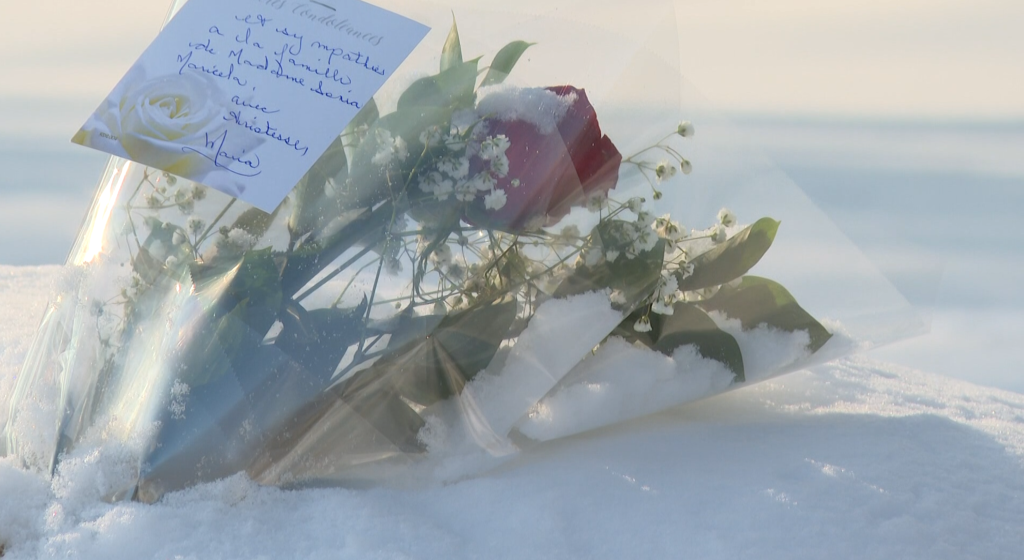
It comes a day after Longueuil police confirmed the Monday deaths of a woman and man in Brossard were a femicide-suicide – the sixth possible femicide in Quebec this year.
“That’s still six women too many. And the fact that it’s happening so quickly right now is concerning and needs to be addressed,” said Kaitlin Geiger-Bardswich, the director of communications for Women’s Shelters Canada.
Officers were called to a home on Bienvenue Avenue on Montreal’s South Shore after receiving a 911 call Monday about an alleged armed assault.
They found the bodies of Sonia Maricela Gonzalez Vasquez, 54, and her partner Marcos Amilcar Diaz Lopez, 56.
“It’s not acceptable if we continue at this rate,” said Nathalie Trottier, the former spokesperson for Transit Secours. “So yes, it’s alarming. We have to take it into account, we have to take action, and things have to change, absolutely.
“It’s not a loss of control that leads to domestic violence, it’s a means of controlling the other person. So, it’s important to understand that you need to seek help if you’re not feeling well.”
On Wednesday, the province pointed to what it called progress made since the release of the 2020 “Rebâtir la confiance” report, including the adoption of 14 new laws tied to its recommendations.
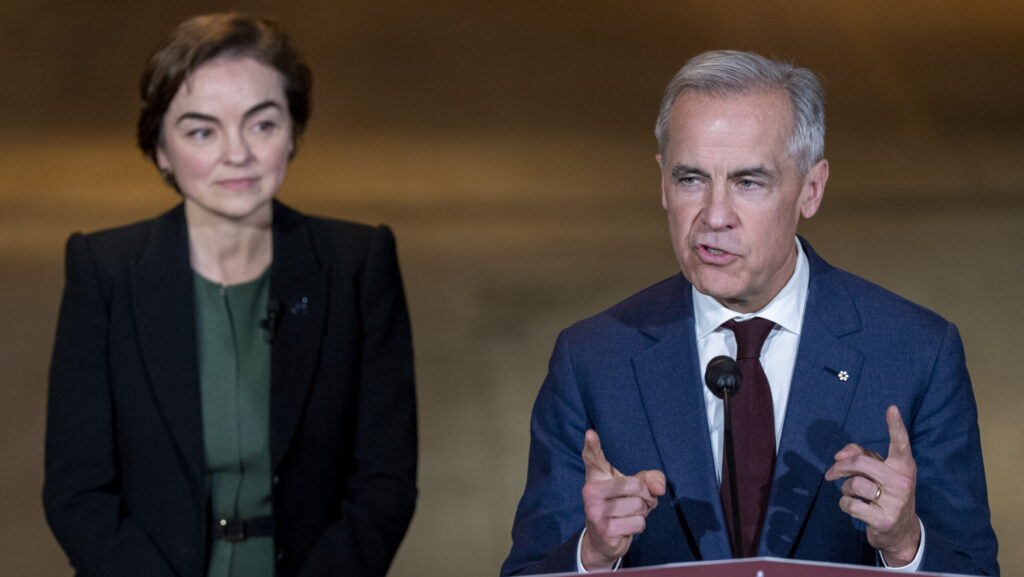
“After five years, the bottom line is that our government has responded, either fully or partially, to 96 per cent of the report’s recommendations!” Caroline Proulx, Quebec’s minister responsible for the status of women, told CityNews in a statement.
“This is not a report that has been shelved; on the contrary, we always come back to it.”
But it’s simply “not enough,” according to Trottier. “We need to do more.”
According to data from the Canadian Femicide Observatory for Justice and Accountability, Quebec’s annual total femicides since 2021 only dropped below 20 last year, when 15 possible femicides were recorded.
That means Monday’s suspected femicide brings the death toll to nearly half of last year’s total – five weeks into the new year.
Trotter says shelters across the province are increasingly turning women away due to a lack of space.
“Because there’s a lack of space, when someone experiences this and summons up all their courage to call a resource, only to be told that there is no room for them at the moment, it’s demoralizing,” she said.
Femicides on the rise across Canada
Advocates warn that femicides are rising on a national scale.
Women’s Shelters Canada says before the pandemic, a woman in Canada was killed by their partner roughly every six days. Today, that pace has accelerated to one every five days.
“The statistics are changing and we’re seeing it everywhere,” said Geiger-Bardswich.
Women’s Shelters Canada adds the fight against intimate partner violence also extends beyond funding shelters and into addressing the housing crisis.
Experts there say women are staying longer and longer at shelters because they’re unable to find affordable housing. And a longer turnover rate means shelters are less capable of accommodating as many women.
“Women are staying in shelters longer and longer, because there’s no housing to move out of,” Geiger-Bardswich explained.
“There’s a bottleneck effect happening in shelters.”
Legal experts say victims of abuse are able to file a complaint with police. In cases where victims don’t want to contact authorities, they can request legal help to file a special court order – known as an 810 – if they fear they may experience violence.
“Domestic violence is something that can happen at any time during a relationship,” said Émilie Dubois, a lawyer with Éducaloi.
“The key thing to do is to inform themselves and to ask questions and not to be afraid to seek out help as well.”
If you need help, reach out. Call SOS violence conjugale 24/7 at 1-800-363-9010.
If you fear you may become violent towards your partner, call PRO-GAM for an appointment at 514-270-8462.