Indigenous tribunal weighs ‘historic declaration’ of genocide in Canadian residential schools
Posted May 29, 2026 11:52 am.
Last Updated May 29, 2026 7:18 pm.
The Permanent Peoples’ Tribunal (PPT) on Missing Children and Unmarked Graves in Canada came to an end Friday afternoon in Montreal with a preliminary declaration that Canada had committed genocide against Indigenous peoples in residential schools and other institutions.
The decision is being called a “historic declaration.” It concluded a week-long deliberation, announcing a preliminary statement of findings today. The final report will be delivered on Sept. 30, the National Day for Truth and Reconciliation.
There’s no difficulty for us to accept that that composite path constituted genocide,” said panel judge Frances Webber in the PPT’s statement.

The findings of the truth and reconciliation commission is not only historic, but contemporary and continuing.
“The declaration would actually list all of the crimes that are alleged affirmatively that Canada has indeed committed these crimes and the declaration would note that the state has international obligations,” said Christa Big Canoe, lead prosecutor and legal director at Aboriginal Legal Services.
“To conclude in the pattern of state actions and omissions we see continuing disdain for Indigenous lives, denial of their sovereignty over their data, their land, and their bodies and other violations of Indigenous peoples’ rights,” said panel judge Deanna Howard.
Today, the distinction was made from ‘cultural genocide’ to ‘genocide’ against Indigenous peoples. Both describe the historical and ongoing colonial policies against Indigenous peoples, but differ in their legal standing and focus. Genocide targets a group’s physical and biological survival, while cultural genocide targets a group’s social, spiritual and cultural existence.
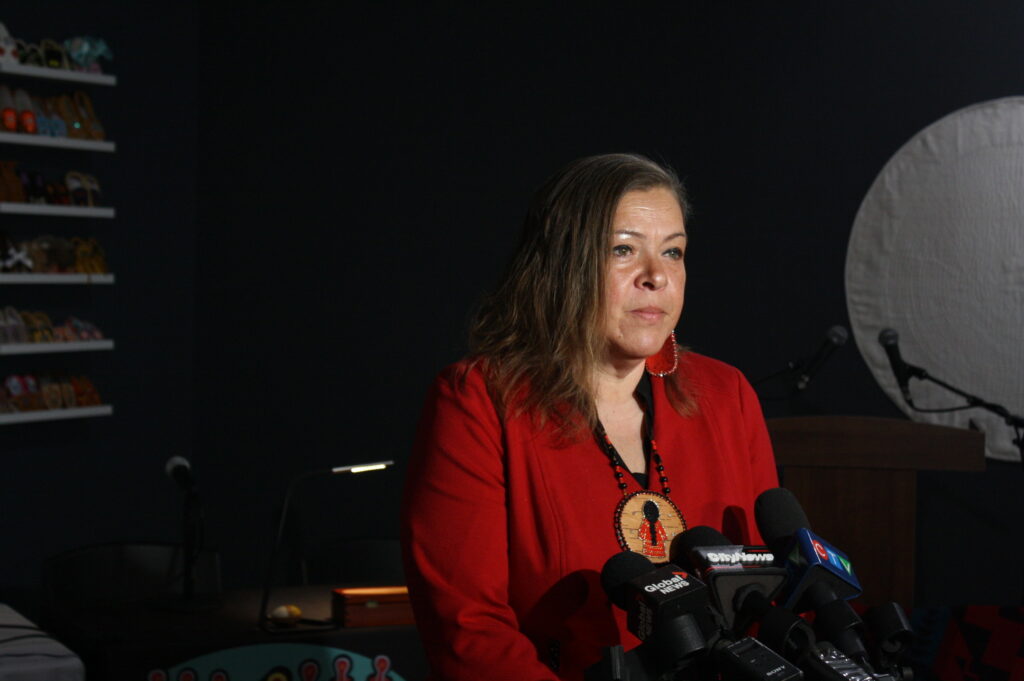
“I wholeheartedly —and have always taken the position— believe that we put an adequate amount of evidence before them for them to make a finding of genocide and crimes against humanity,” Big Canoe added.
The PPT is an independent, international opinion tribunal that investigates human rights violations on a global stage.
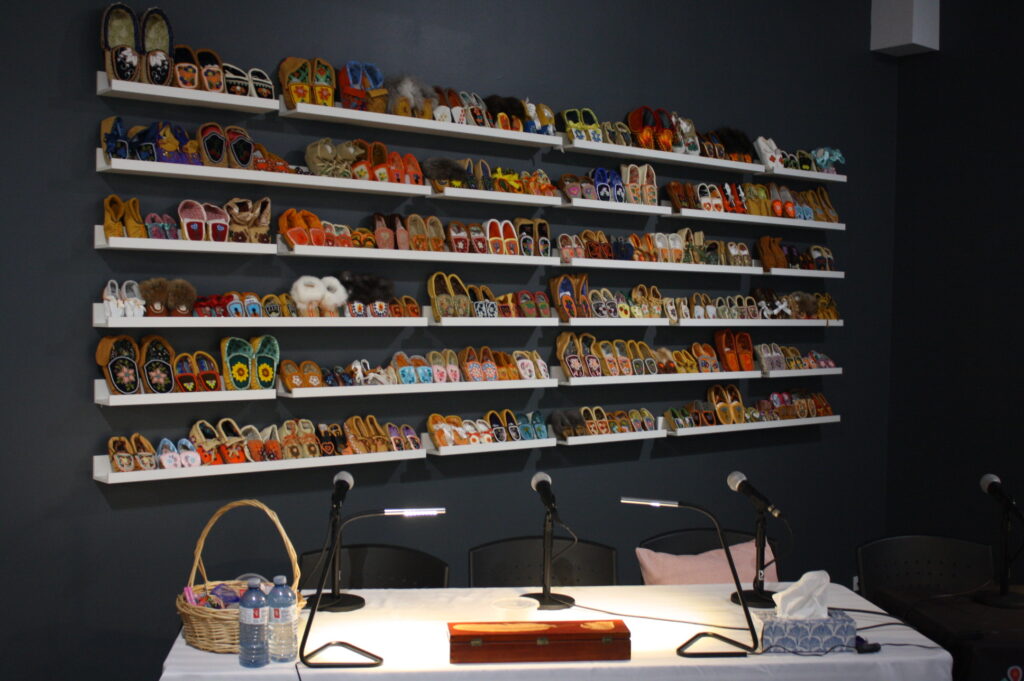
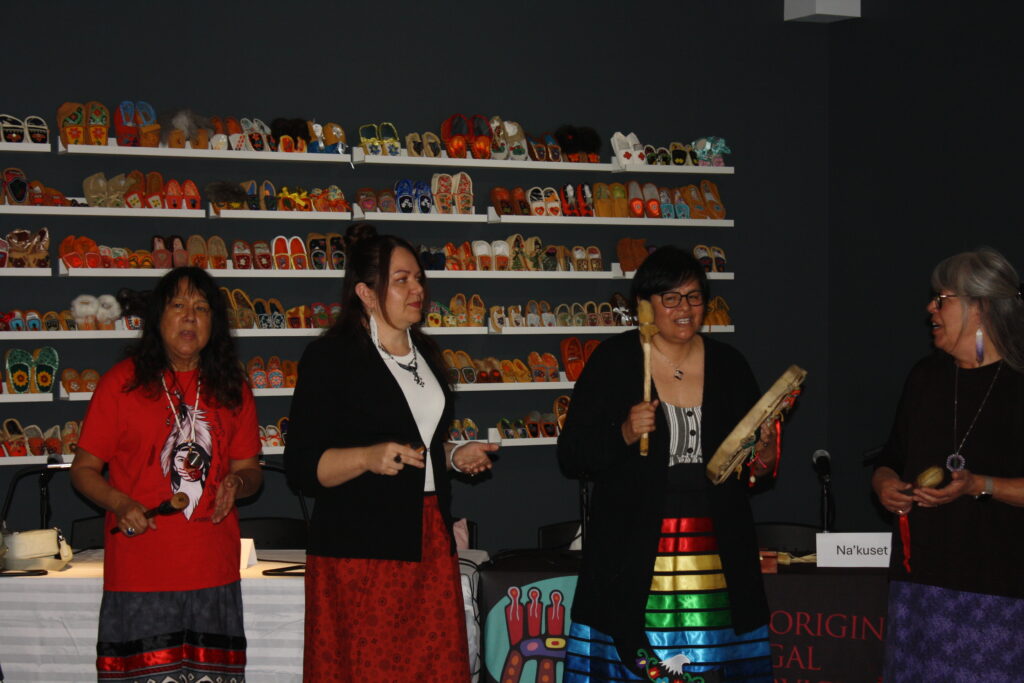
The tribunal, organized by the Native Women’s Shelter of Montreal, was established to address allegations that Canada committed crimes against humanity and genocide through residential schools and other institutions.
The PPT hopes the federal government will enforce the recommendations and acknowledge the findings of the international tribunal.
Along with the recommendations is a demand for the Independent Assessment Process (IAP) records to be kept. Under a 2017 Supreme Court of Canada ruling, IAP records containing the testimonies of nearly 40,000 residential school survivors are scheduled to be permanently destroyed on September 19, 2027.
“The idea that Canada wants to destroy those is ridiculous because you are erasing our history,” said Na’kuset, executive director of the Native Women’s Shelter of Montreal. “It’ll just be like swept under the rug and that is completely inappropriate and insulting.”
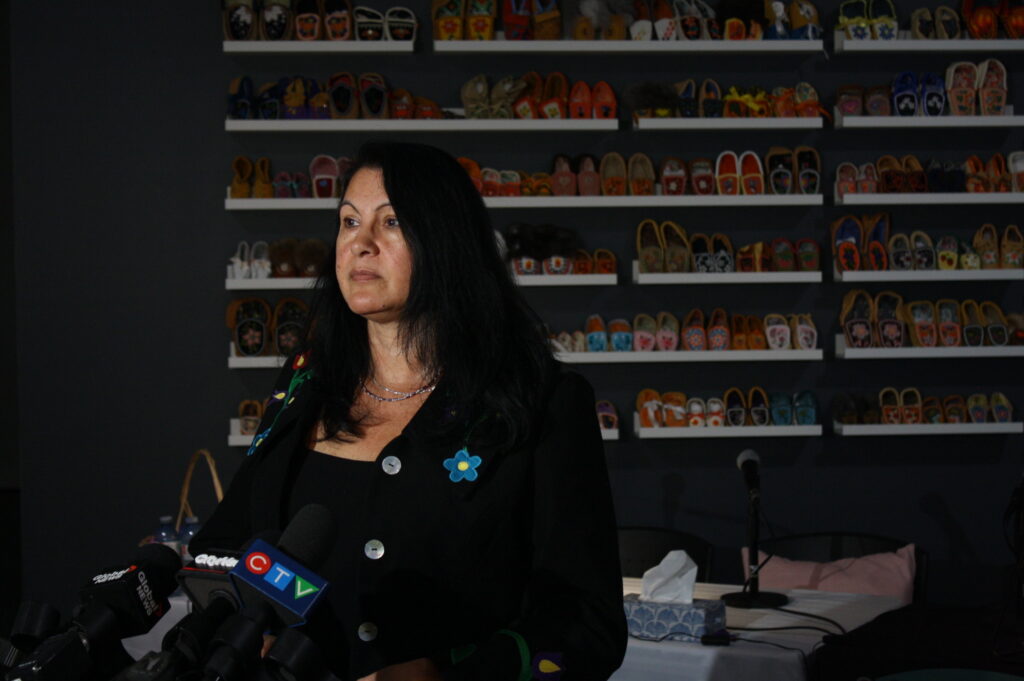
The PPT heard from a number of residential school survivors about their experiences at residential schools over the week.
“I want the government and the churches to stand up and tell us exactly what their role was in all of this. Not just I’m sorry,” said survivor Roberta Hill. Hill is a member of Mohawk Six Nations of Grand River and attended the Mohawk Institute Residential School from 1957-1961.
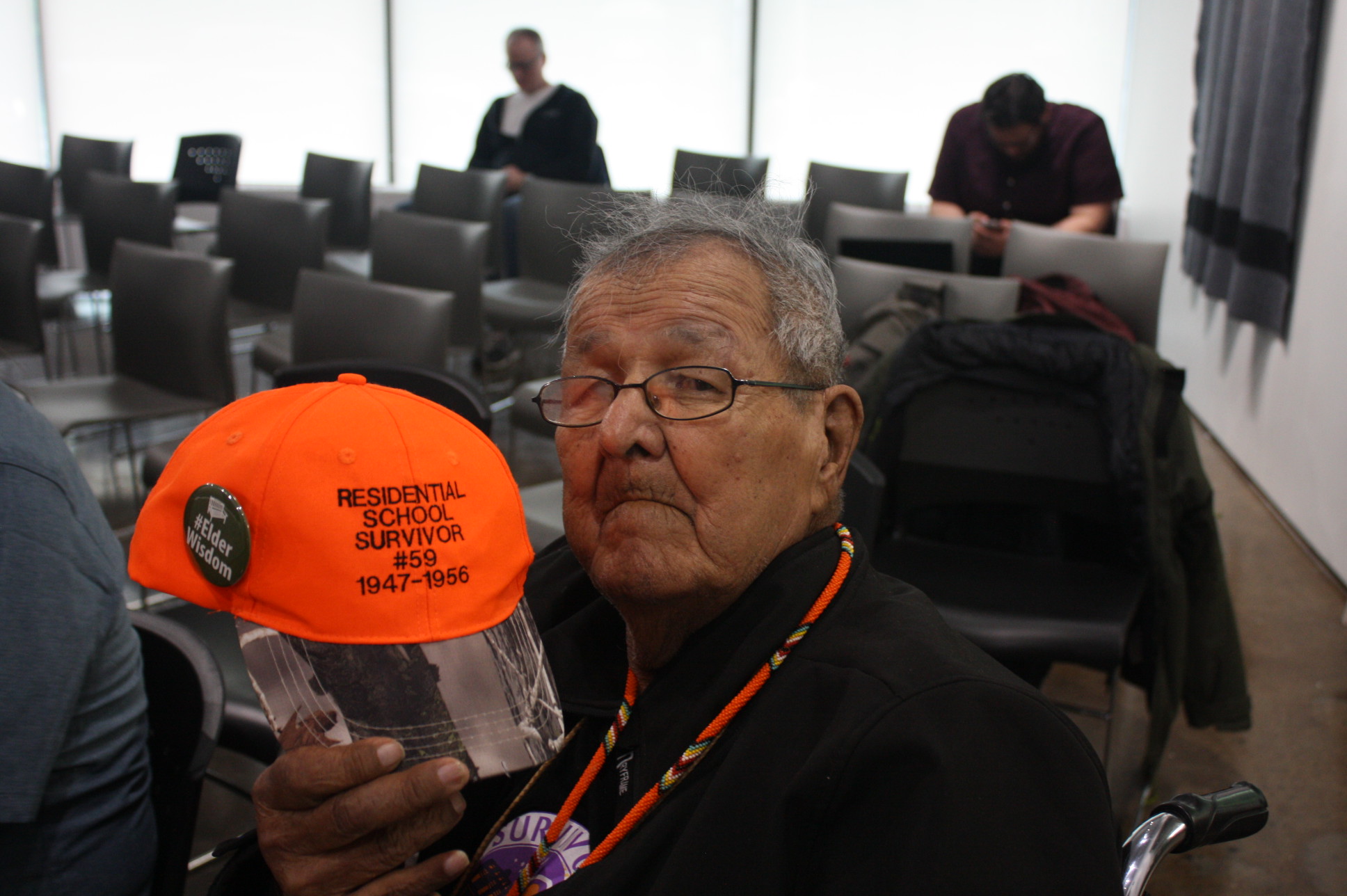
“Sexual, physical, physical abuse, I’ve got beat with a strap,” said Leo Nicholas, a residential school survivor from the Munsee-Delaware Nation in Southwestern Ontario. Nicholas attended a residential school from 1959-1963, then from 1964-1966.
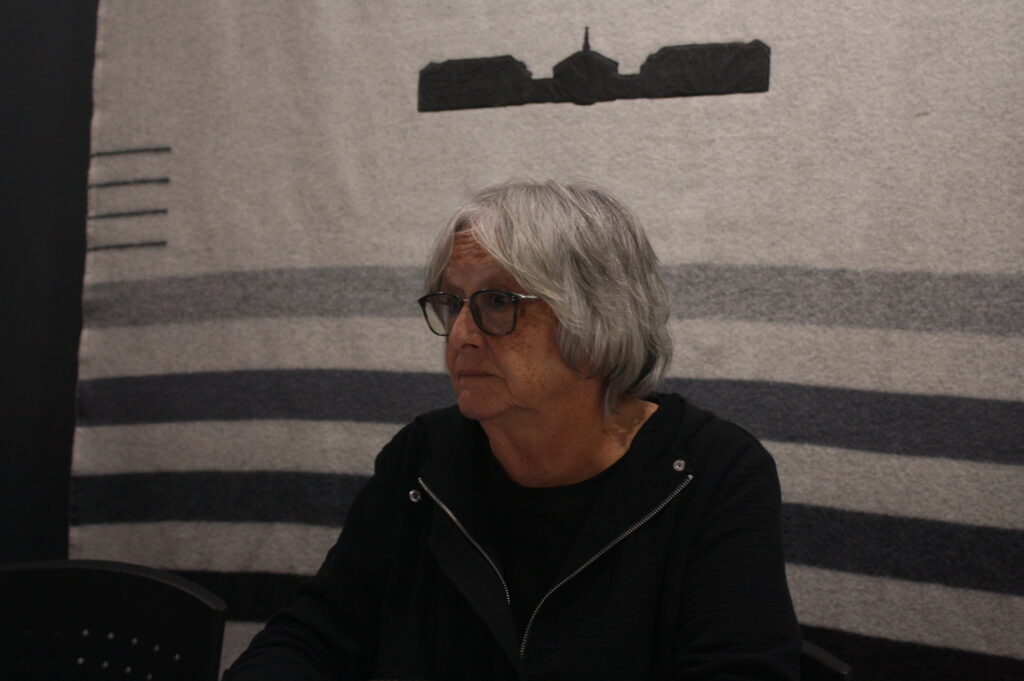
The tribunal heard from international law expert and human rights lawyer Fannie Lafontaine, who spoke about the legal definition of genocide and its connection to Canada’s involvement in residential schools, forced and coerced sterilization and other government policies.
Genocide is based on the intent to destroy a group and that repeated patterns of government policies over time can demonstrate this intent.
Establishing that Canada had committed genocide in residential schools demands accountability for their crimes within policies of assimilation. Under this framework, genocide is defined under terms of international law in 1946 by the United Nations General Assembly.
These factors include:
- Killing members of the group;
- Causing serious bodily or mental harm to members of the group;
- Deliberately inflicting on the group conditions of life calculated to bring about its physical destruction in whole or in part;
- Imposing measures intended to prevent births within the group;
- Forcibly transferring children of the group to another group.
The PPT says that they invited Prime Minister Mark Carney to represent Canada in the tribunal. An empty chair was placed in front of the judges to represent Canada’s place as the defense.
The long-term consequences from residential schools against Indigenous Peoples go well beyond cultural loss. The connections between colonialist policies and actions on present-day outcomes were evaluated in terms of transgenerational and intergenerational effects, including psychosocial, developmental, environmental, and neurobiological mechanisms as well as trauma responses which extended beyond the closing of the last residential school in 1997.
From the 1880s to the 1990s, over 150,000 First Nations, Inuit and Métis children were torn from their families and sent to Indian residential schools, often located far from their homes. Many students suffered neglect and abuse. Thousands of children died.
“The bottom line is people just want to get on with their lives,” said Judge Webber. “They don’t want all these roadblocks, all these things stopping them from just living. We, the settler communities, the colonialists, we get on with our lives. We need to learn that others have that right too,” Webber added.
A complete statement along with recommendations to the federal government will follow on Sept. 30. The PPT will also send their findings to the Vatican and the federal government of Canada, key players in supporting the residential school system.