Indigenous chefs highlighting biodiversity goals with nature and food
Posted December 14, 2022 11:44 pm.
Last Updated December 16, 2022 2:50 pm.
People, nature and food are interrelated and can be a part of the solution to the planet’s biodiversity crisis.
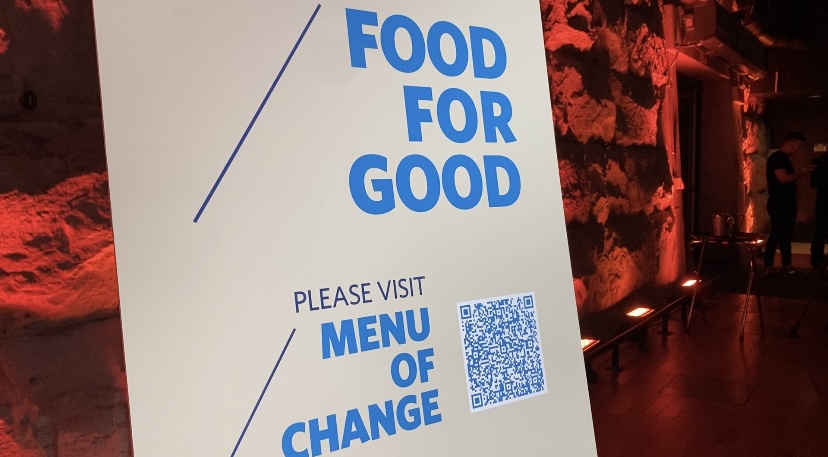
That’s what the Indigenous-led nature conservation group and non-profit, Nature United, is aiming to explain through its food for the good dinner event.
“I’m just trying to feature as much from our culture to represent what biodiversity means and how we can have a sustainable future,” said Joseph Shawana, Indigenous Canadian chef.
In order to meet global climate and biodiversity goals – people will have to shift the way we produce and consume food.
The food system causes one-third of greenhouse gas emissions, 90 per cent of land-use conversion and 70 per cent of global water usage.
“First, we can do is eliminate food waste 30 per cent of the food that is produced is wasted and once we do that we can think about the choices we make around what we buy, and try to buy things that are made responsibly, things that are organic, locally produced but also thinking about the practices that are used to produce those foods,” said Hadley Archer, executive director at Nature United.
Nature United says Indigenous peoples and local communities are vital leaders in finding solutions to environmental challenges.
Roughly 80 per cent of the earth’s remaining biodiversity is within Indigenous lands.
Indigenous chefs, highlighted their traditional foods and conscious/sustainable methods while conceiving the menu for the event. Noting, it’s all about thoughtful use and re-use of ingredients using what grows around you.
“A lot of things you can do is try to rethink what you’re buying don’t just buy something that’s being shipped overseas like buying a dragonfruit and putting it into your salad try to incorporate the ingredients that we have around us and consume as much as you can within our own areas,” said Shawana.
“We all need to conserve what we have now for our future generations to flourish so that’s exactly what we need to do.”